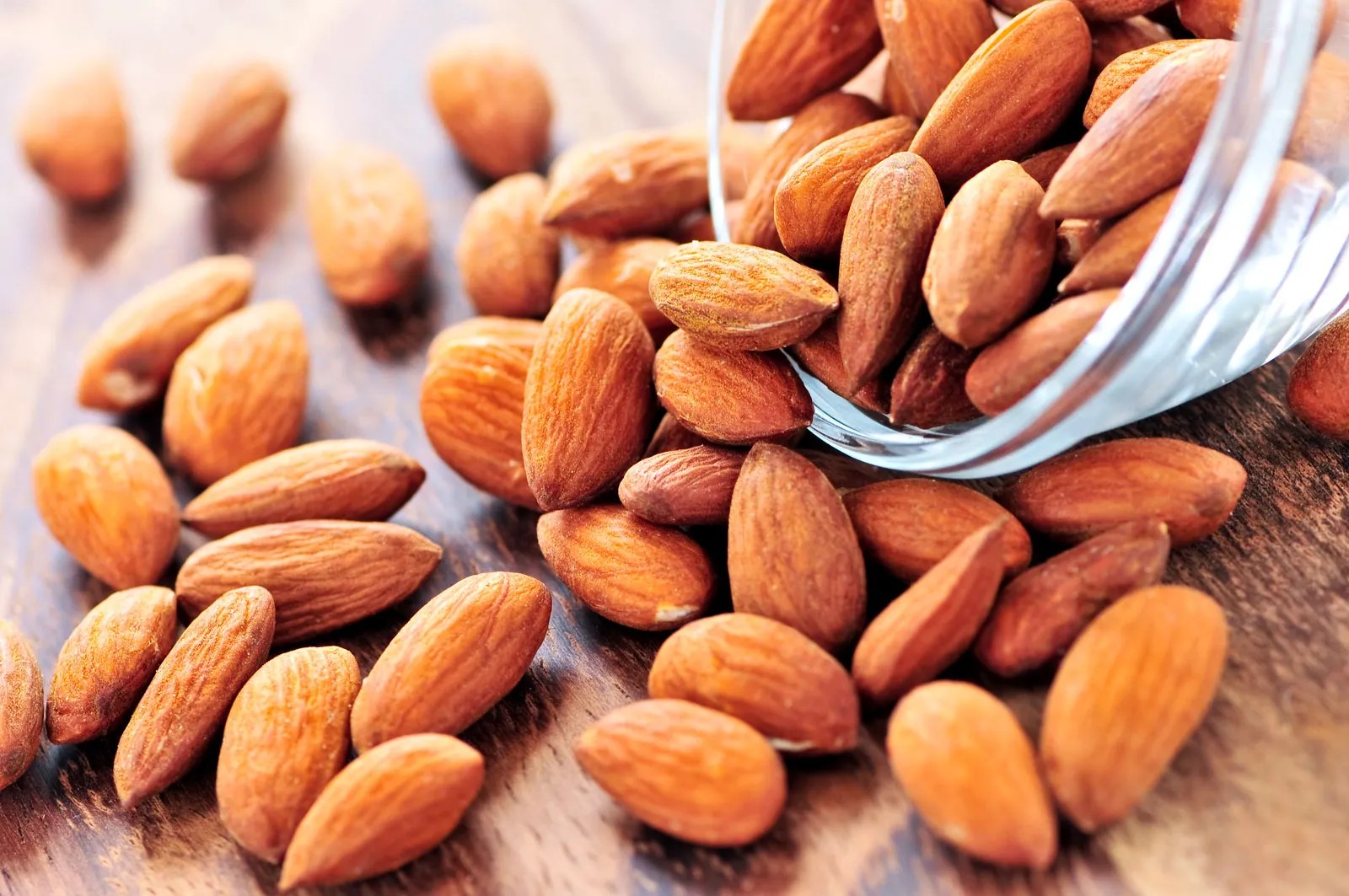
Almonds
Nut
Key nutrients: Vitamin E, magnesium, fiber, healthy fats
Health Benefits
- Rich in vitamin E, magnesium, and healthy fats.
- Adds satisfying crunch to snacks and breakfasts.
- Provides antioxidant support for skin and cells.
Best Preparation
Use raw or dry-roasted. Keep portions moderate and pair with fruit or oats for balanced snacks.
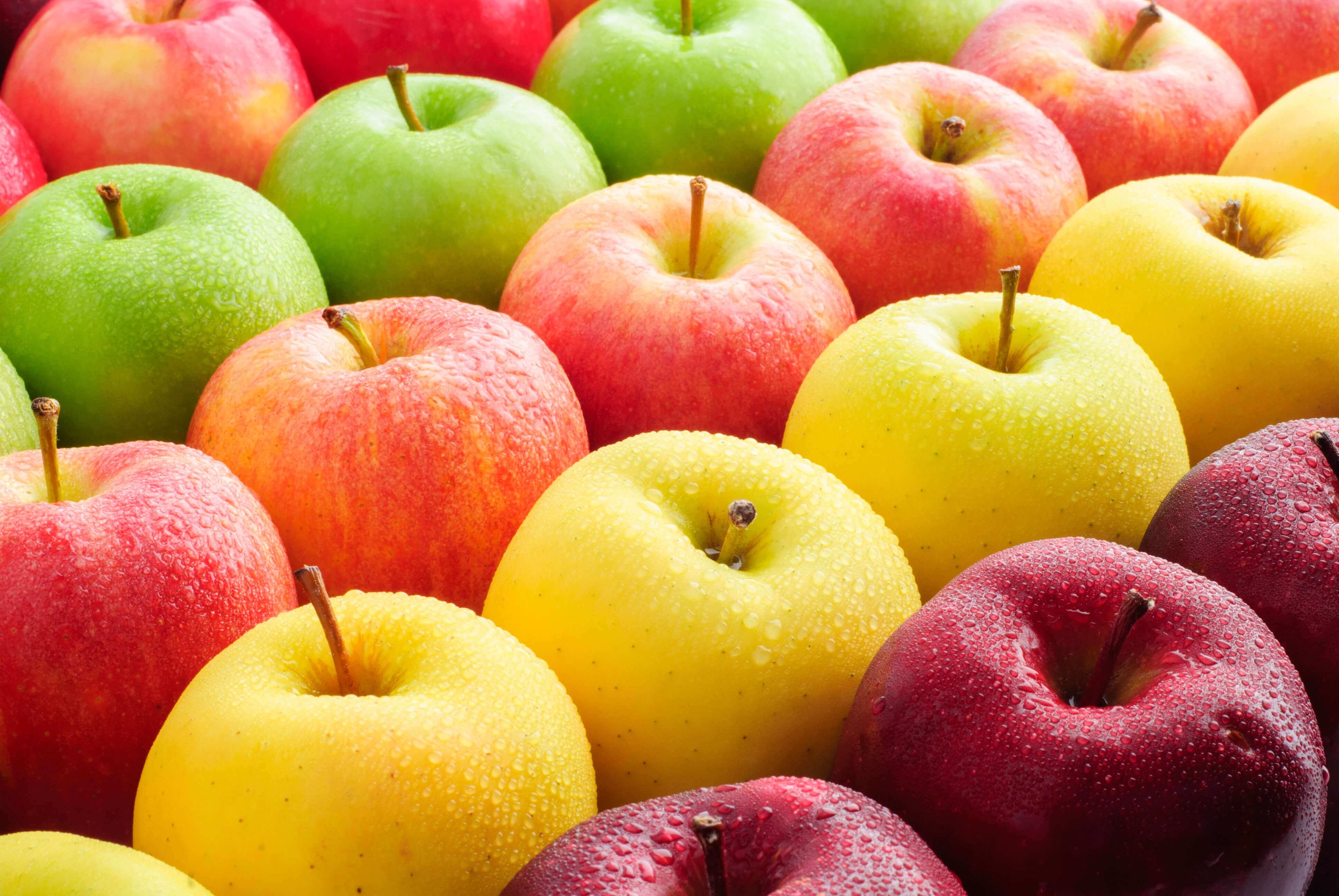
Apple
Fruit
Key compounds: Pectin and quercetin
Health Benefits
- High in soluble fiber (pectin).
- Soluble fiber (pectin) adds texture and fullness.
- Helps with fullness and balanced snacking.
Best Preparation
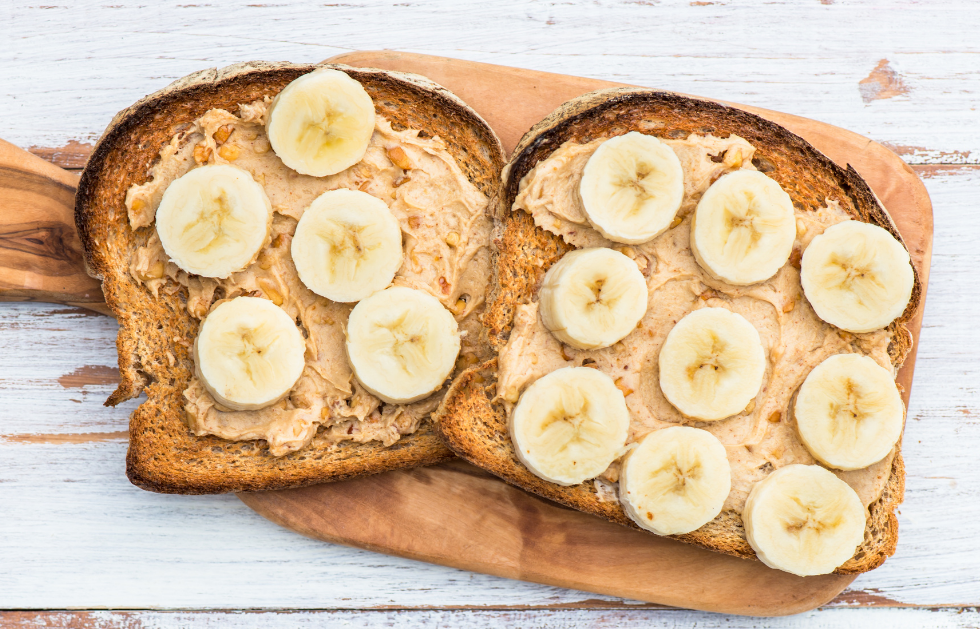
Eat with skin after washing. Slice into salads or combine with nut butter for a balanced fiber-fat snack.
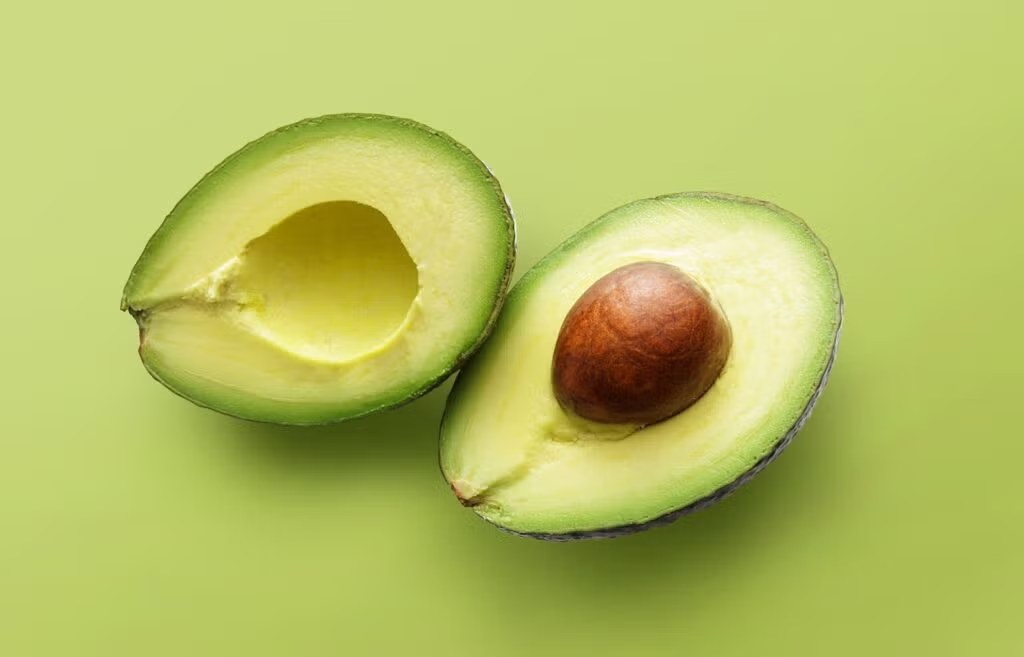
Avocado
Fruit
Key nutrients: Monounsaturated fats, potassium, fiber
Health Benefits
- Creamy source of monounsaturated fats and potassium.
- Helps absorb fat-soluble vitamins from meals.
- Helps you feel full and pairs well with other ingredients.
Best Preparation
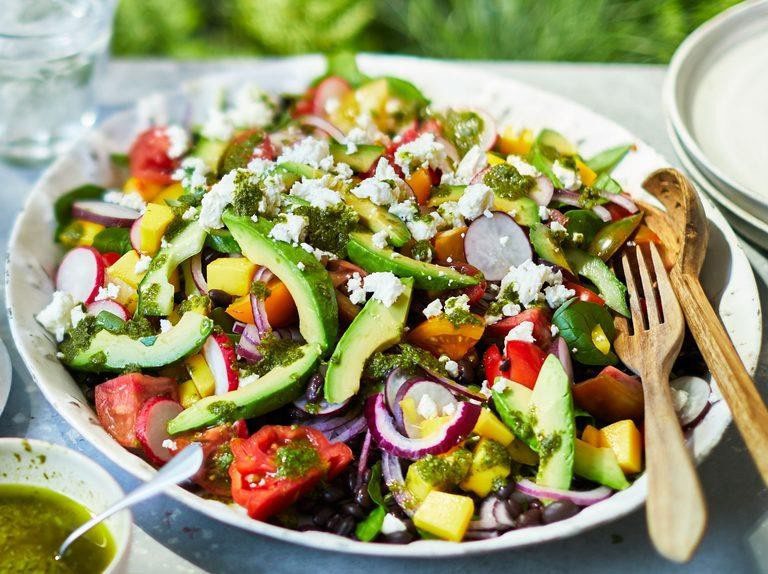
Use fresh in salads, spreads, and smoothies. Add lemon or lime to reduce browning and improve flavor.

Banana
Fruit
Key nutrients: Potassium, vitamin B6, prebiotic fibers
Health Benefits
- Supports electrolyte balance and muscle function.
- Provides quick and gentle energy for activity.
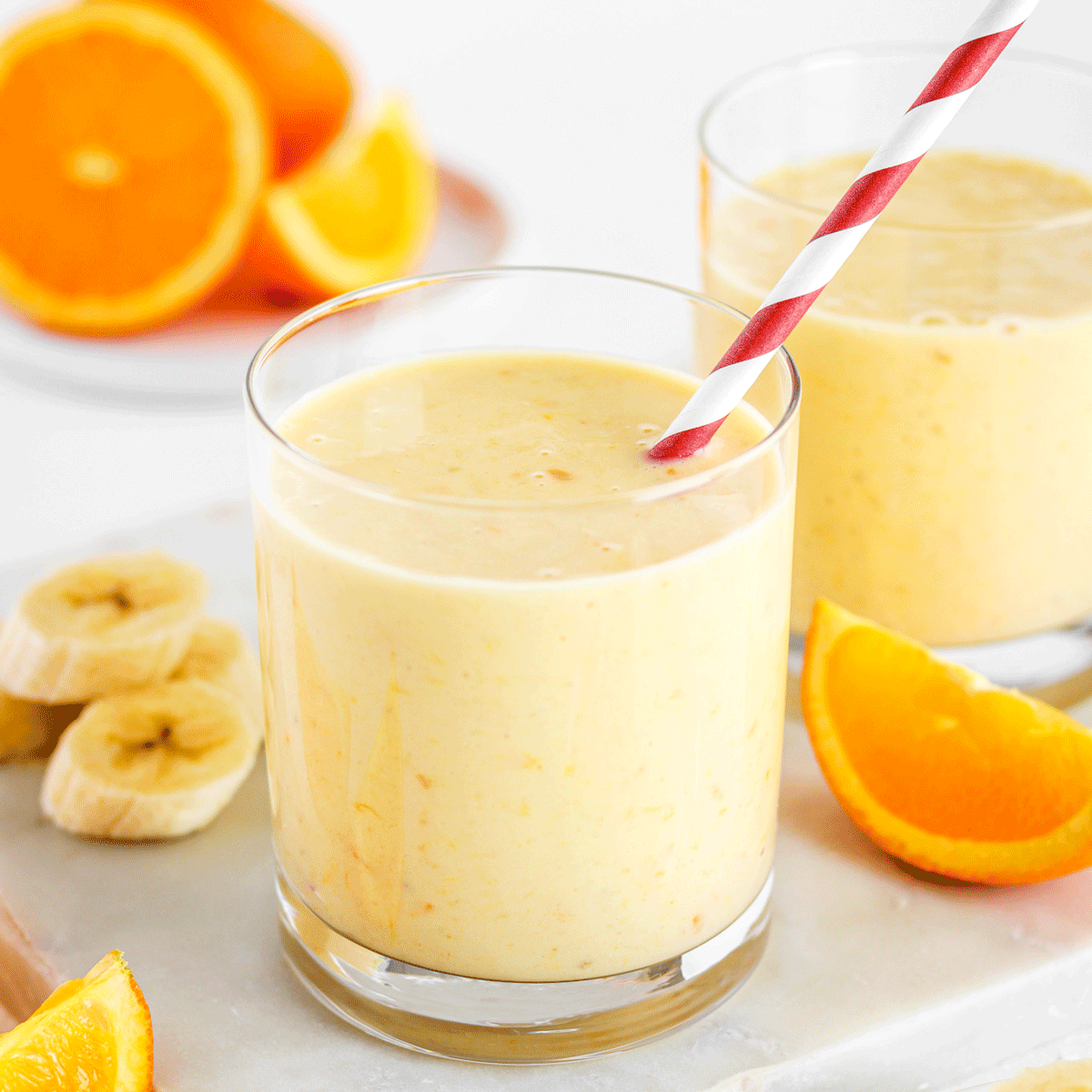
- Gentle, naturally sweet fruit for smoothies and bowls.
Best Preparation
Use ripe bananas in smoothies and breakfast bowls; use slightly green bananas for more resistant starch.
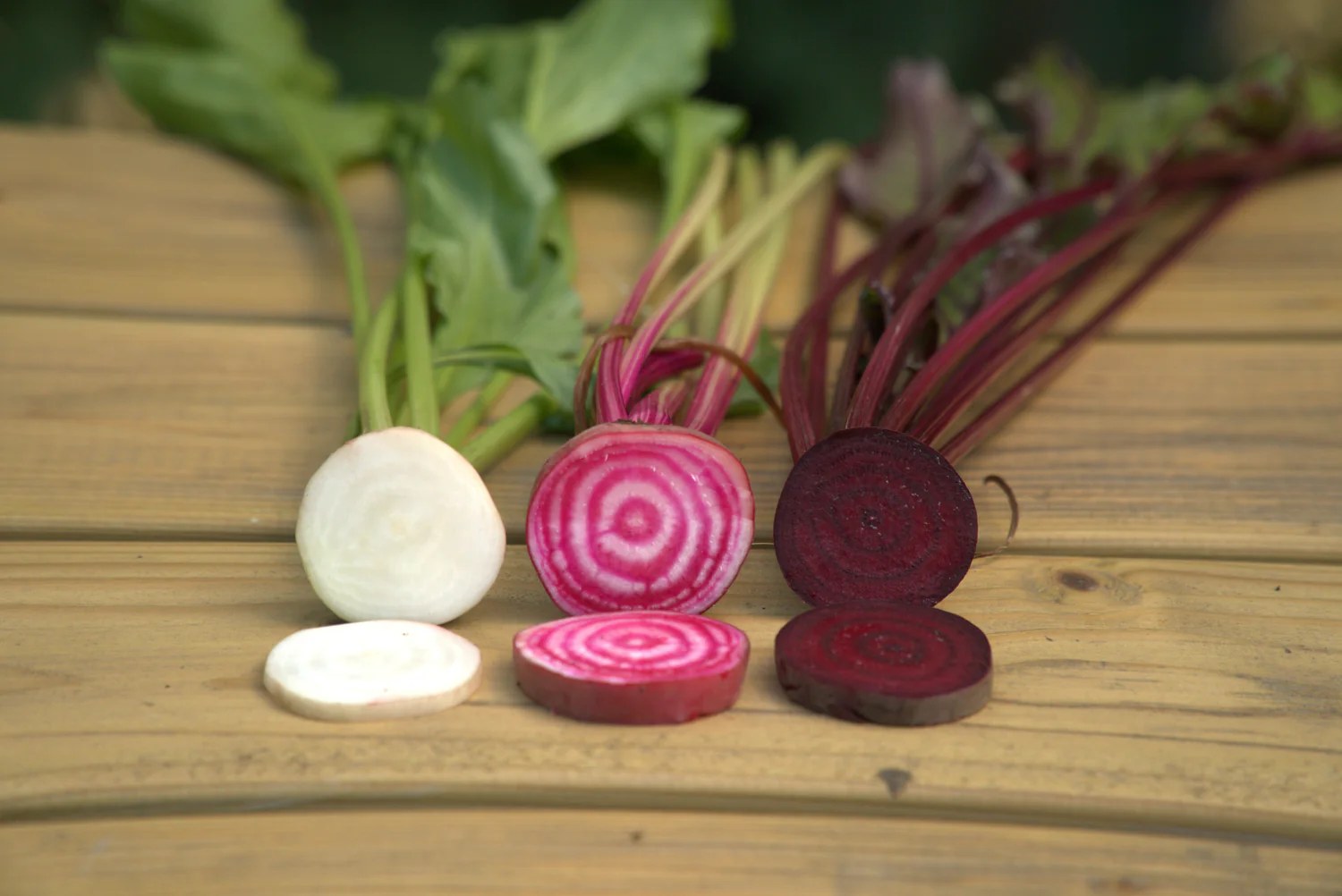
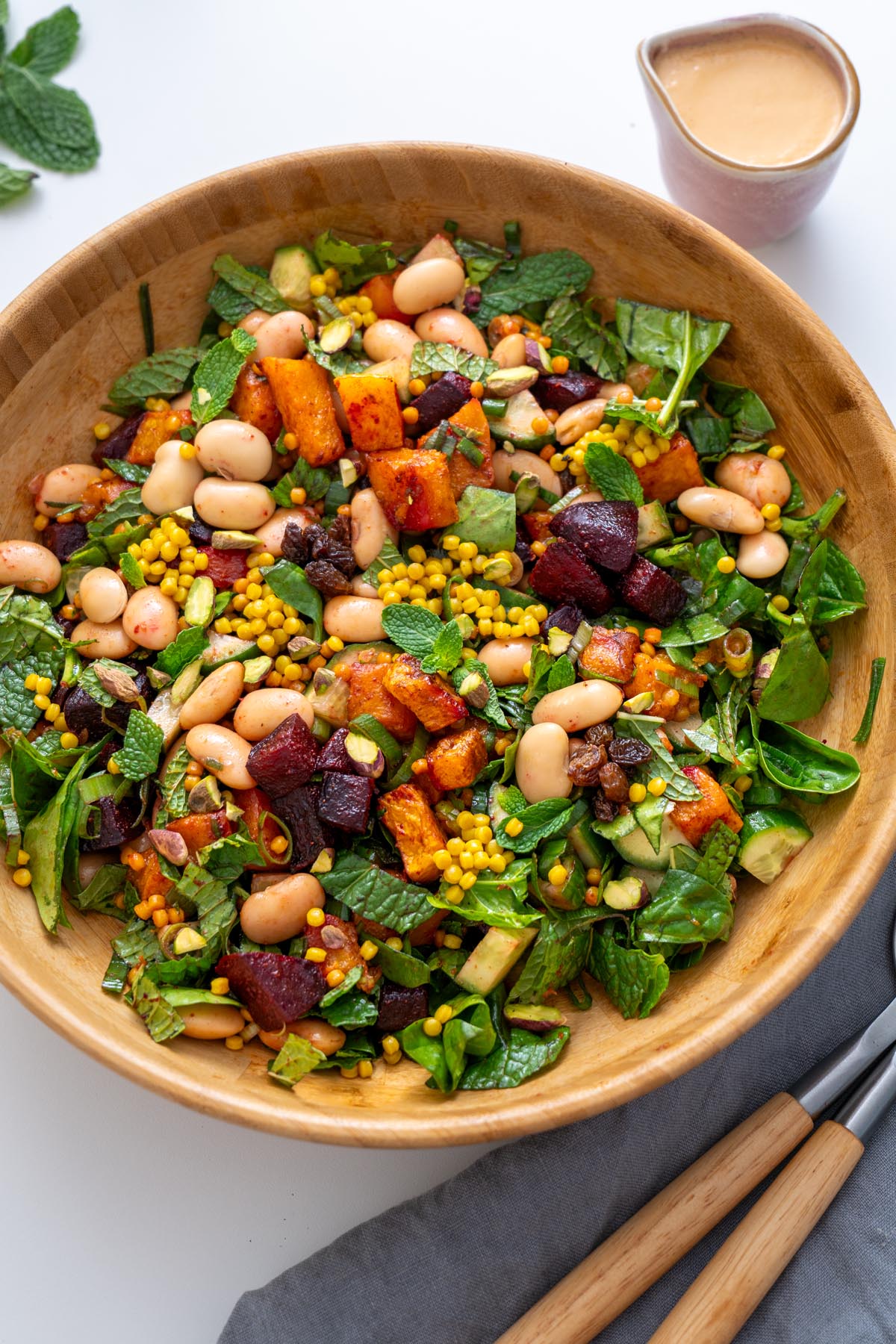
Beetroot
Vegetable
Key compounds: Dietary nitrates and betalains
Health Benefits
- Natural source of dietary nitrates and betalains.
- Deep color from betalain antioxidants.
- Supplies fiber for digestive support.
Best Preparation
Roast, steam, or grate raw into salads. Pair with citrus and olive oil for flavor balance.
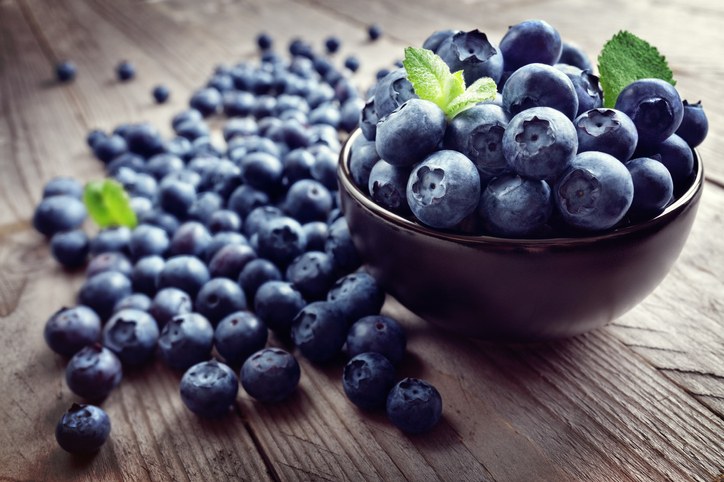
Blueberry
Fruit
Key compounds: Anthocyanins
Health Benefits
- High antioxidant capacity for cellular protection.
- Rich in anthocyanin antioxidants.
- Sweet-tart flavor for bowls and baking.
Best Preparation
Eat fresh or frozen with minimal heating. Pair with yogurt, oats, or nuts for improved satiety and steadier energy.
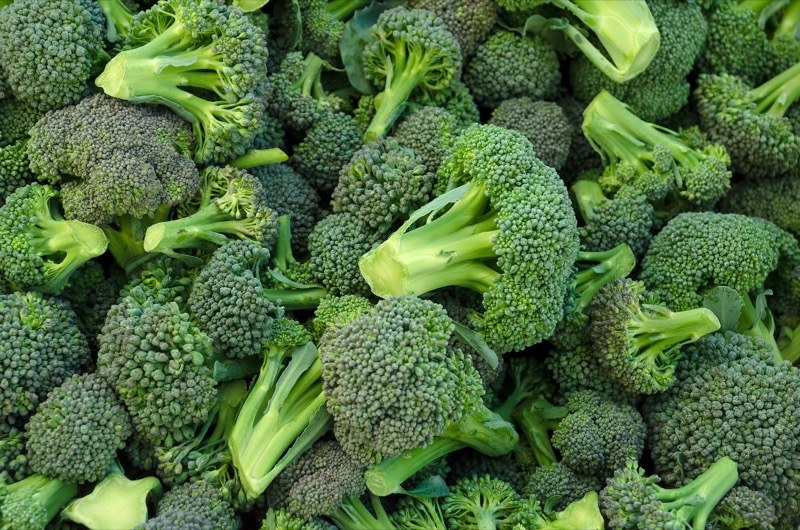
Broccoli
Vegetable
Key compound: Sulforaphane precursor glucoraphanin
Health Benefits
- Contains glucosinolates and vitamin C.
- High in fiber and vitamin K.
- Delivers vitamin C and plant protective compounds.
Best Preparation
Steam lightly for 3-5 minutes or roast briefly. Chop and let rest before cooking to support sulforaphane formation.
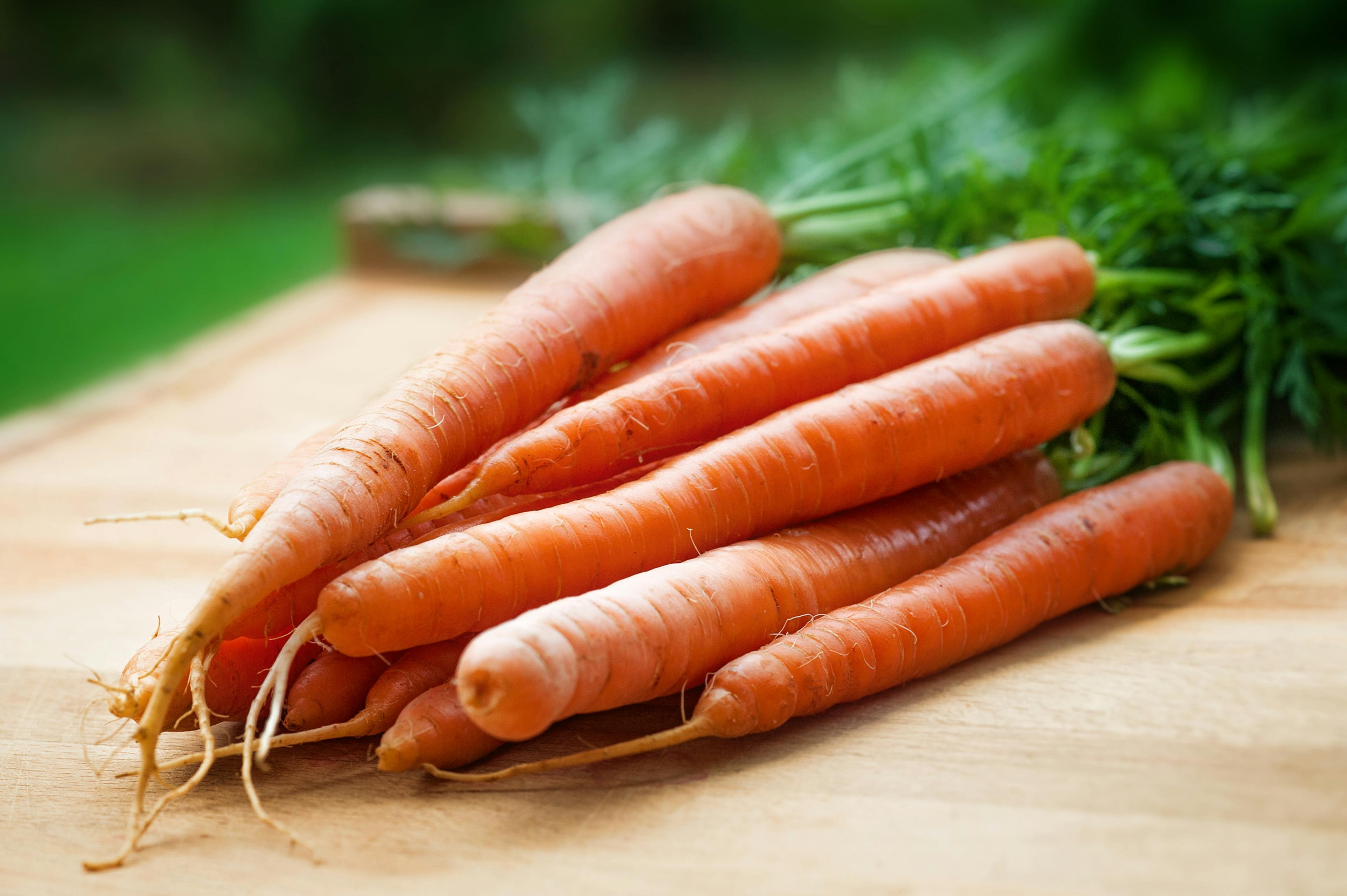
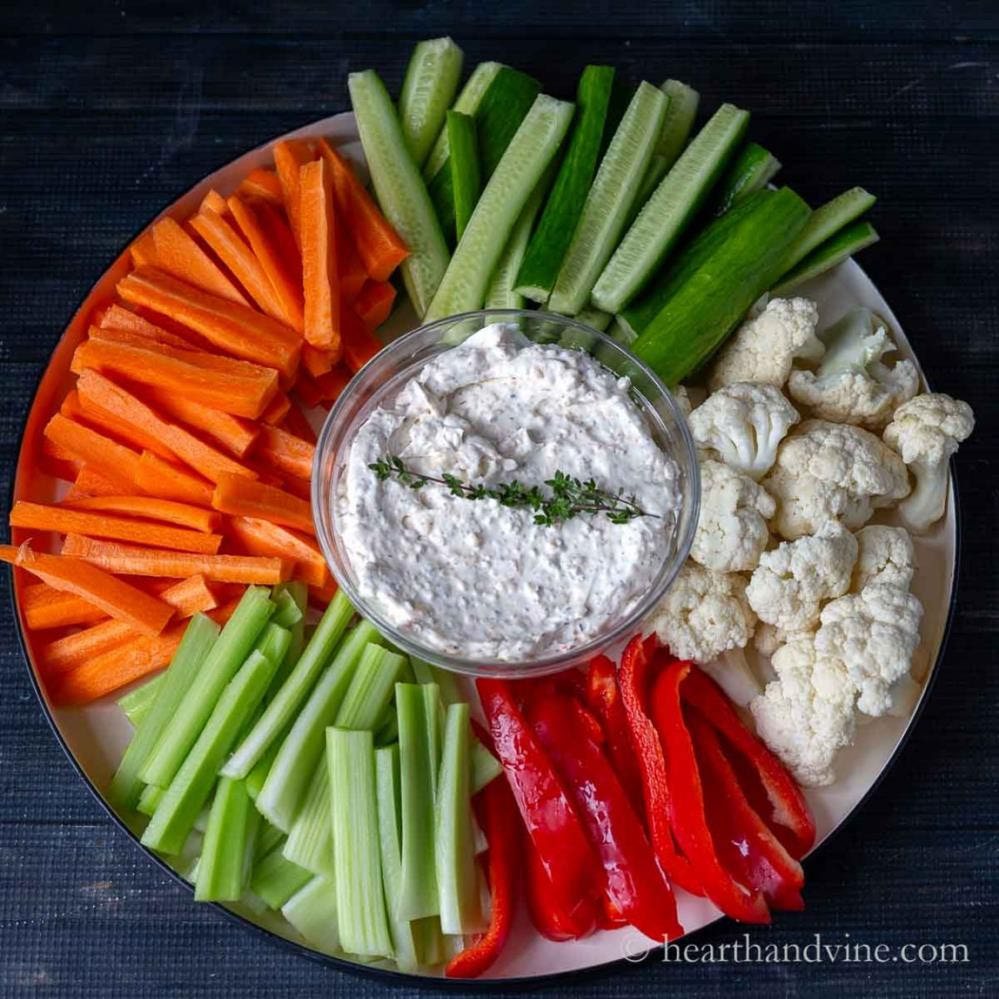
Carrot
Vegetable
Key compounds: Beta-carotene and carotenoids
Health Benefits
- Rich in beta-carotene and carotenoids.
- Provides antioxidant carotenoids.
- Adds crunch and fiber to meals.
Best Preparation
Eat raw or lightly cooked. Pair with healthy fats like olive oil or avocado to improve carotenoid absorption.
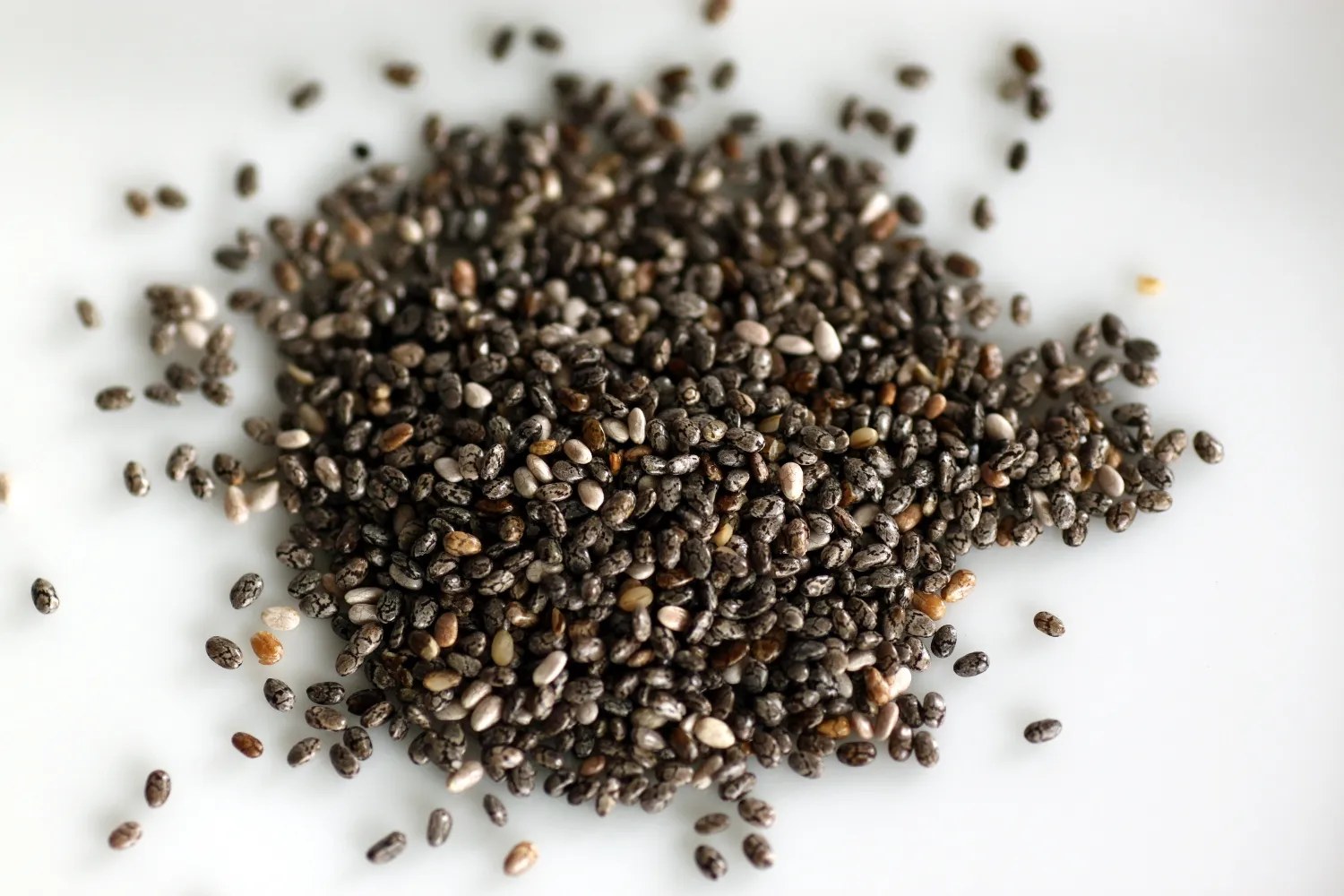
Chia Seeds
Seed
Key nutrients: ALA omega-3, fiber, calcium
Health Benefits
- Rich in ALA omega-3, fiber, and calcium.
- Helps with satiety and steady energy release.
- Adds mineral density to meals.
Best Preparation
Soak in water or oat milk for 15-30 minutes before use in puddings, oats, and smoothies.
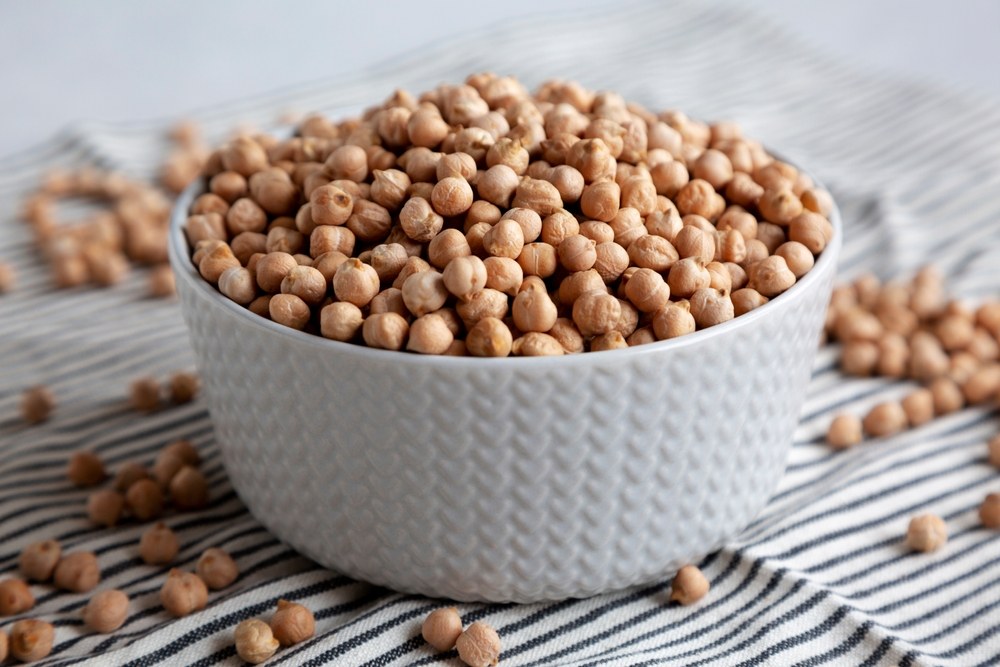
Chickpeas
Legume
Key nutrients: Fiber, protein, manganese, folate
Health Benefits
- Filling combination of fiber and plant protein.
- High in fiber and prebiotic carbohydrates.
- Provides steady carbohydrate and protein balance.
Best Preparation
Roast for crunchy snacks, blend into hummus, or add to curries and salads. Rinse canned chickpeas before use.
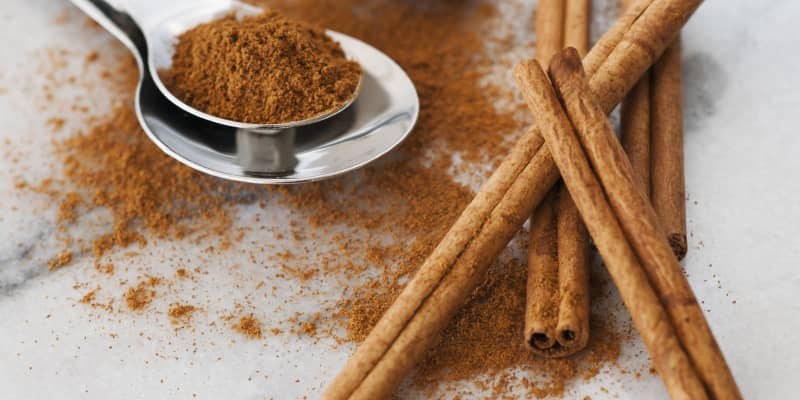
Cinnamon
Spice
Key compounds: Cinnamaldehyde and polyphenols
Health Benefits
- Warm spice with polyphenol antioxidants.
- Rich in antioxidant compounds.
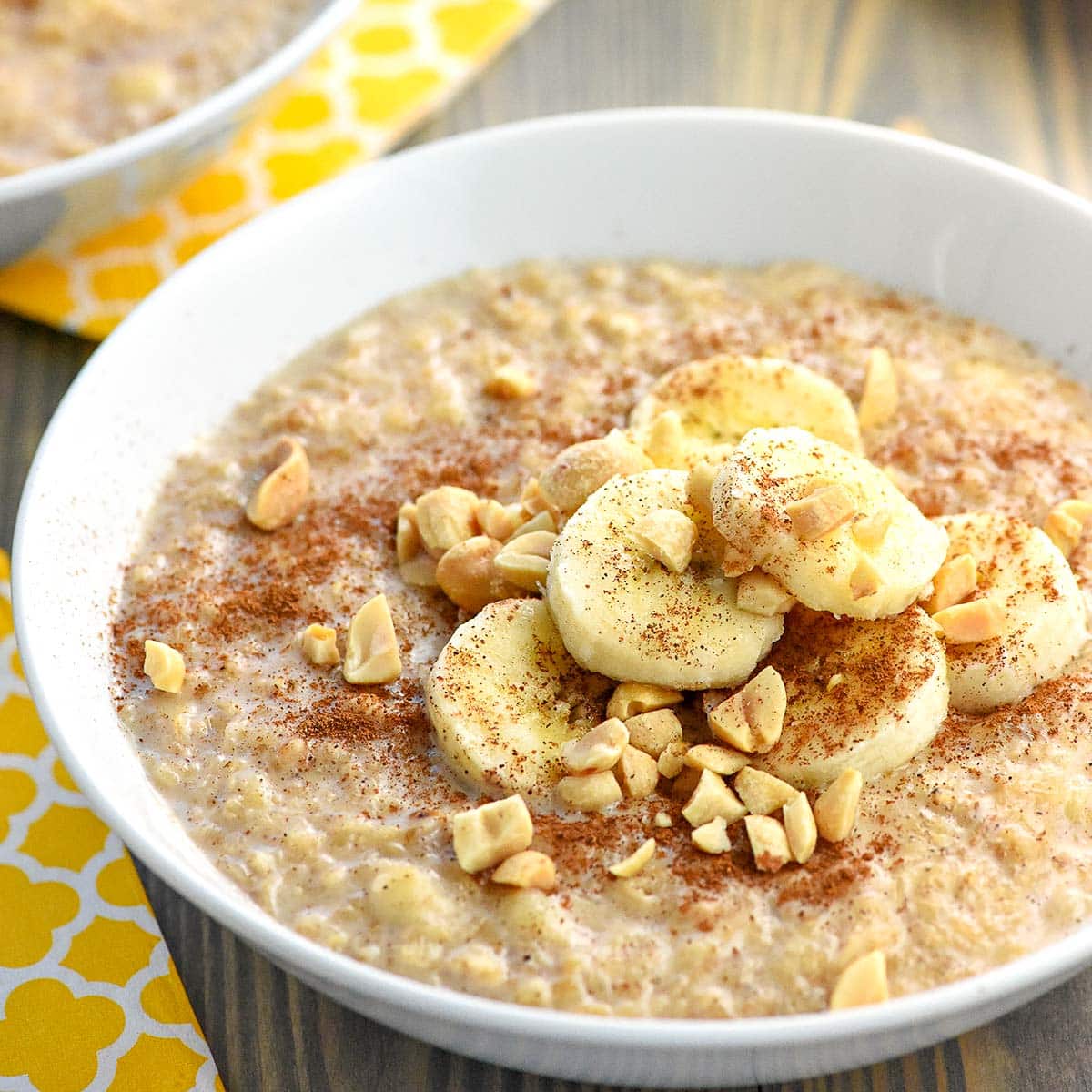
- Classic pairing for oats, yogurt, and fruit.
Best Preparation
Sprinkle into oats, yogurt, and smoothies; for frequent use, choose Ceylon cinnamon where available.
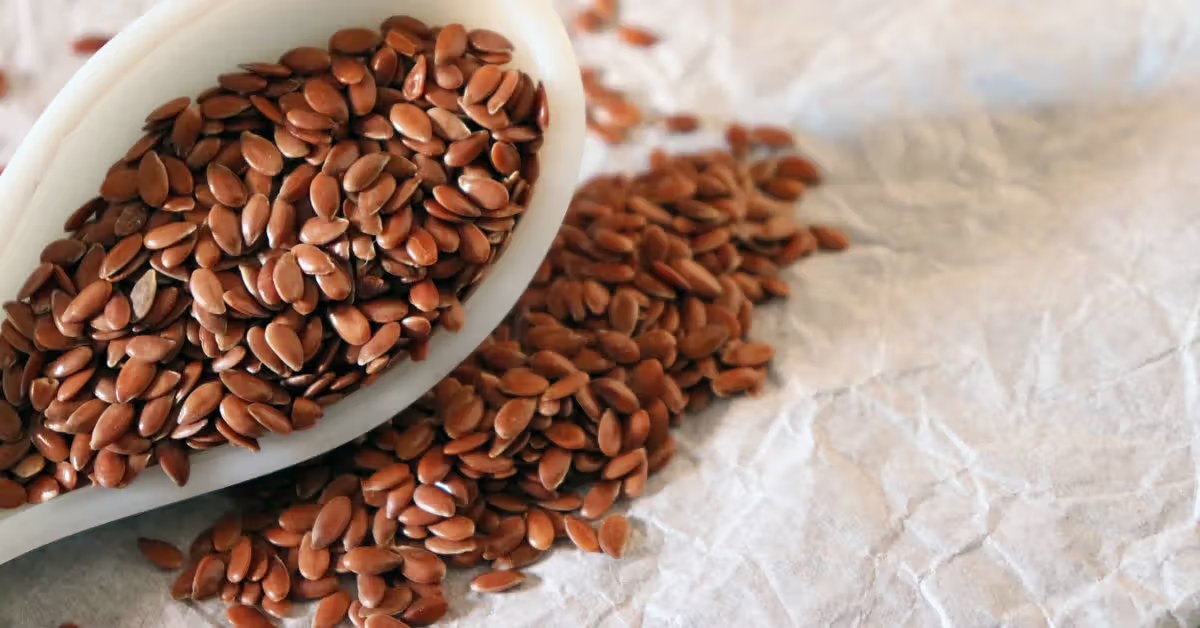
Flaxseed
Seed
Key nutrients: ALA omega-3, lignans, fiber
Health Benefits
- Rich in ALA omega-3, lignans, and fiber.
- Promotes digestive regularity and gut support.
- Adds nutty flavor and healthy fats when ground.
Best Preparation
Use freshly ground flaxseed in oats, smoothies, or yogurt; whole seeds are less bioavailable.
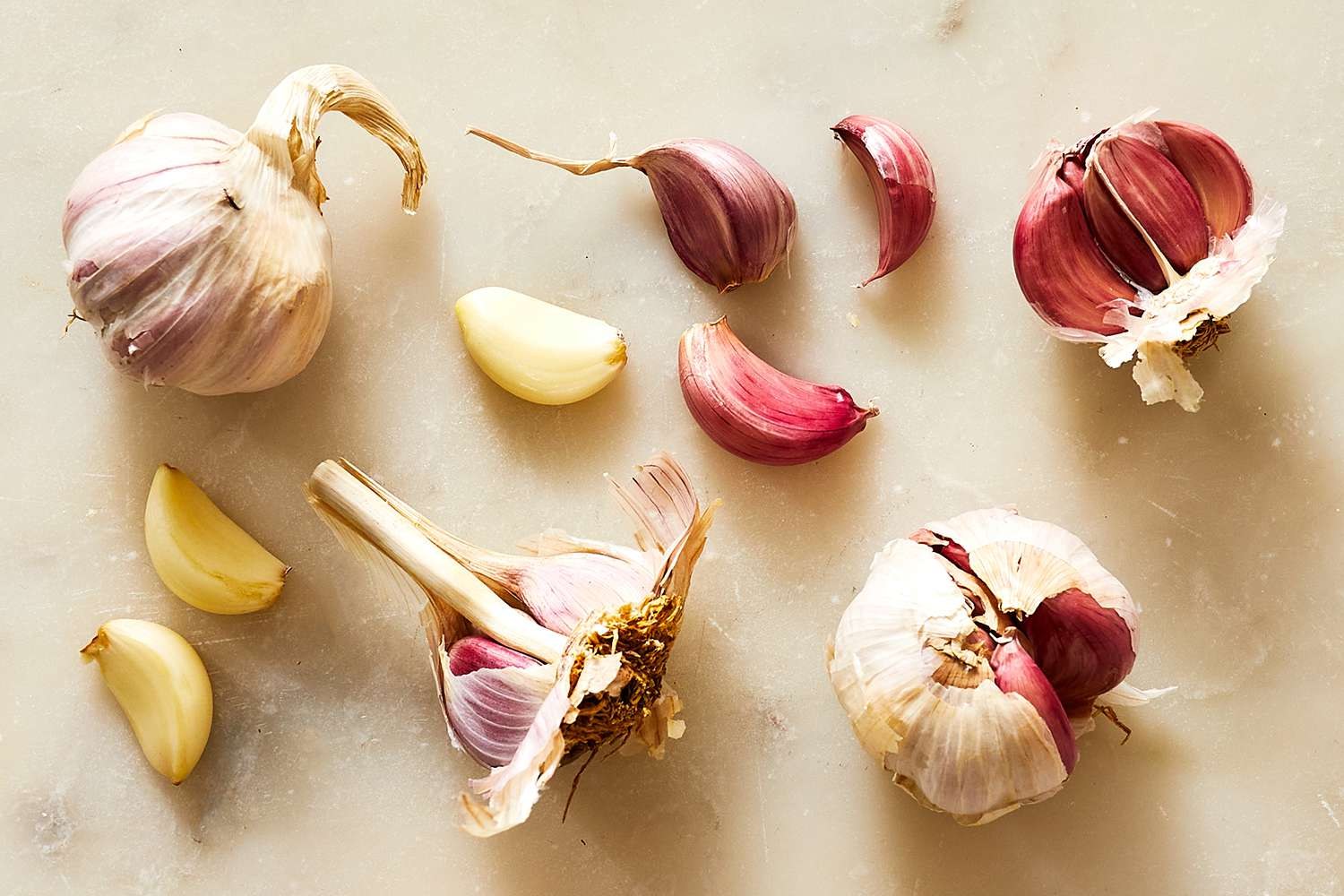
Garlic
Herb
Active compound: Allicin (formed after crushing)
Health Benefits
- Savory base for soups, sauces, and dressings.
- Contributes natural antimicrobial activity.
- Allicin forms best after crushing and a brief rest.
Best Preparation
Crush or chop and let rest for about 10 minutes before cooking to help allicin formation; avoid prolonged high heat.
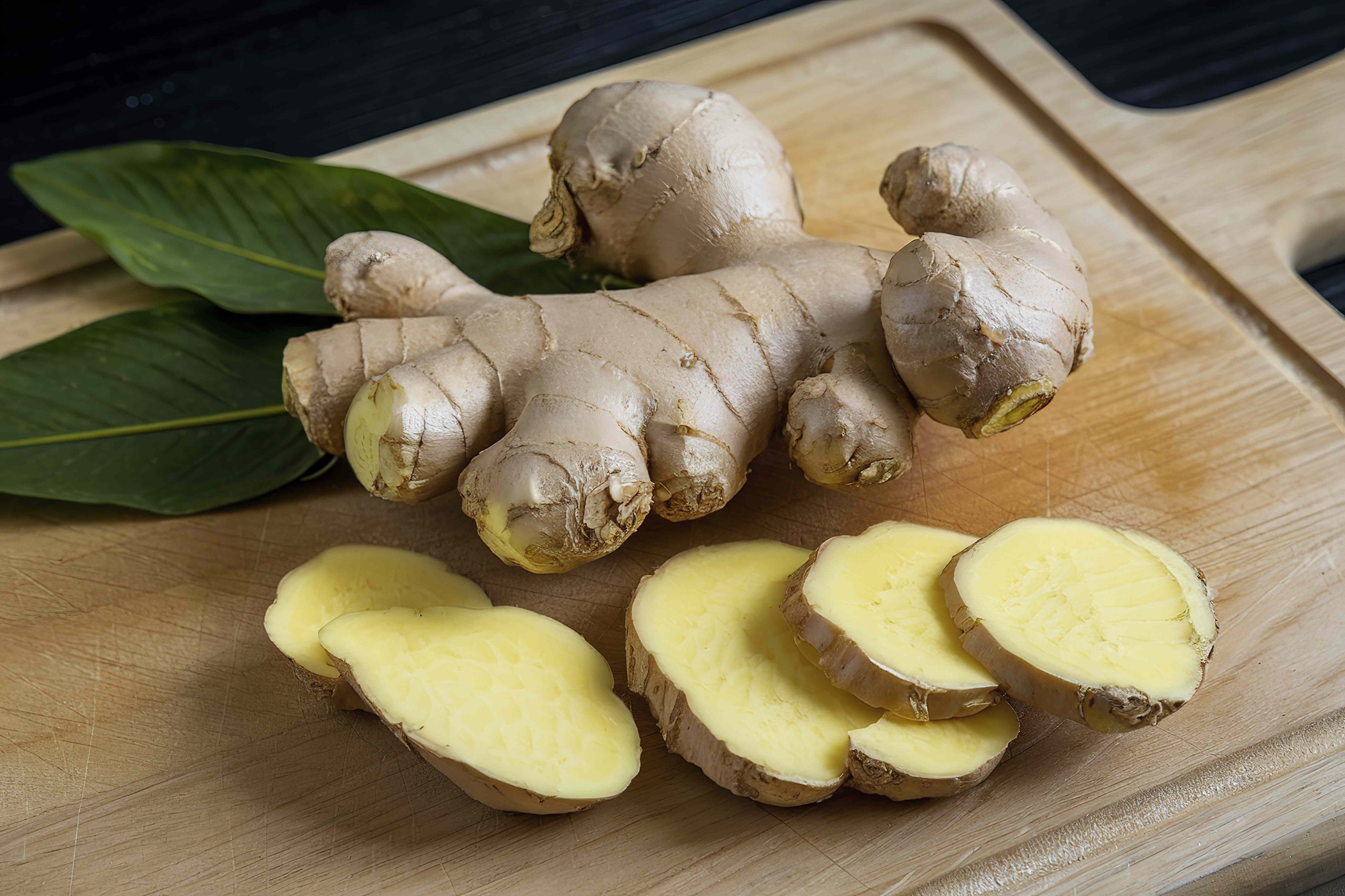
Ginger
Spice
Active compounds: Gingerols and shogaols
Health Benefits
- Bright, warming spice for teas and stir-fries.
- Classic addition to Asian-inspired dishes.
- Contains gingerols and shogaols.
Best Preparation
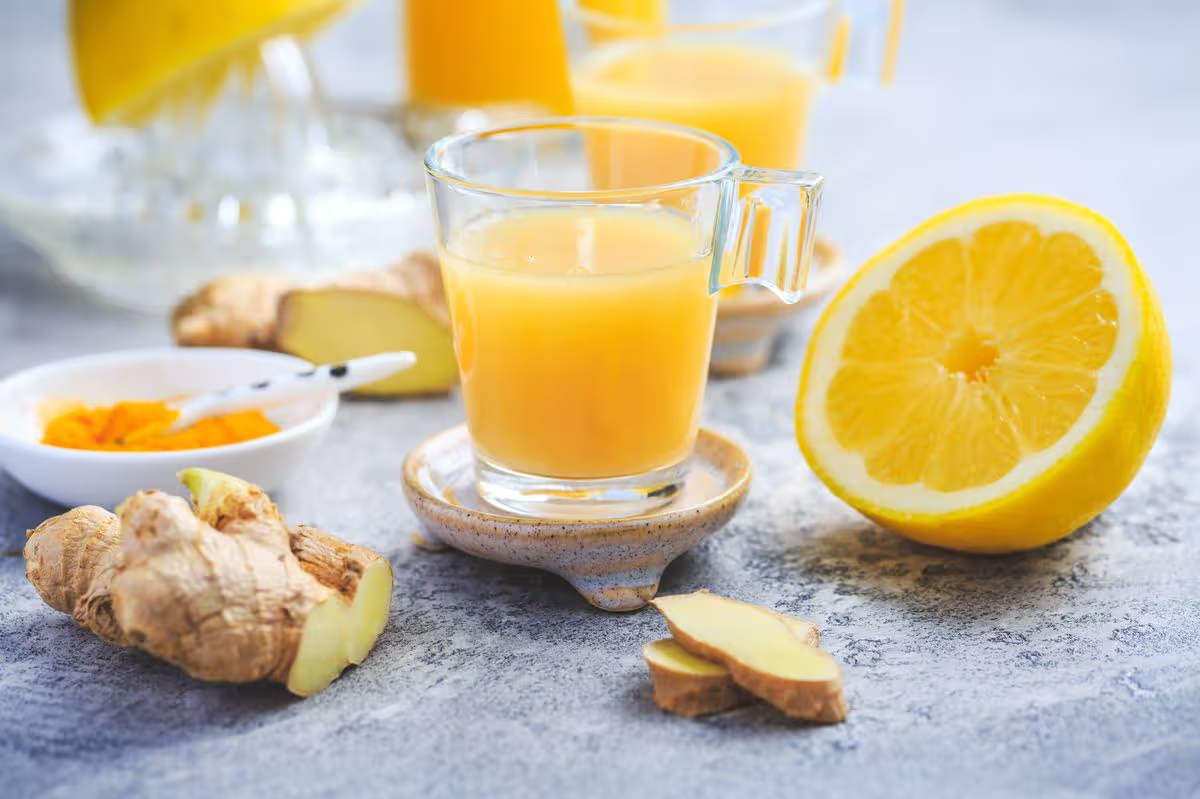
Use freshly grated root in teas, soups, and stir-fries. Add near the end of cooking to preserve aroma and bioactive compounds.
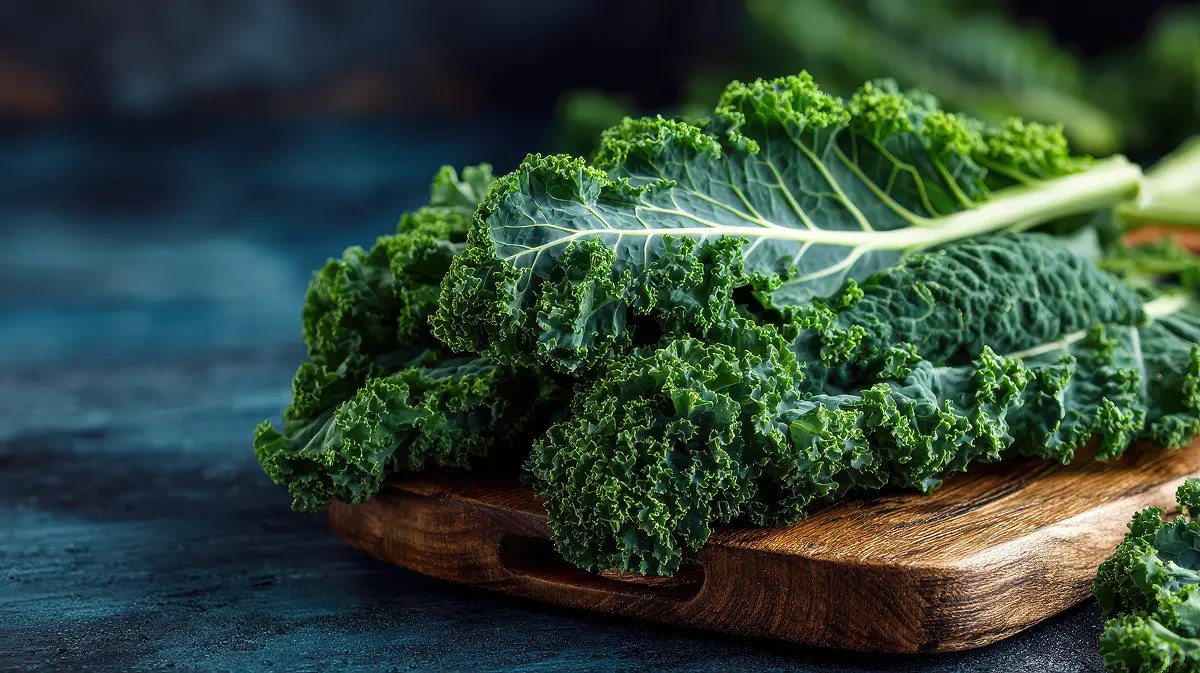
Kale
Vegetable
Key nutrients: Vitamins K, C, A and glucosinolates
Health Benefits
- Dense leafy green with vitamins K, C, and A.
- Massage or steam lightly for best texture.
- Adds hearty greens to salads and soups.
Best Preparation
Massage raw kale with a little olive oil and lemon to soften texture, or steam briefly to retain nutrients.
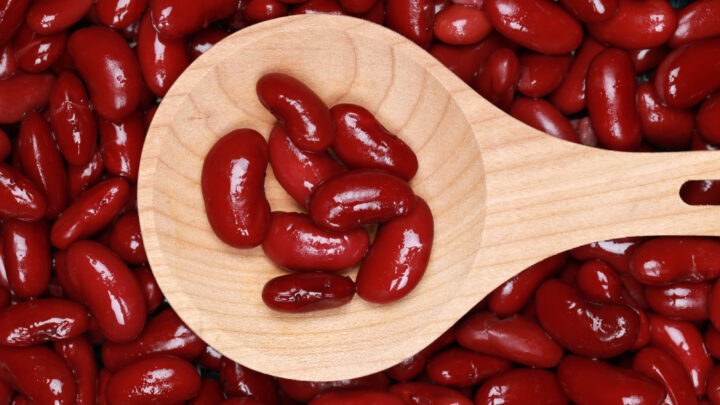
Kidney Beans
Legume
Key nutrients: Fiber, plant protein, folate, iron
Health Benefits
- Hearty legume with fiber and plant protein.
- Contains prebiotic fibers.
- Provides plant-based protein for meal quality.
Best Preparation
If dry, soak and boil thoroughly before use; if canned, rinse well to reduce sodium and improve flavor.
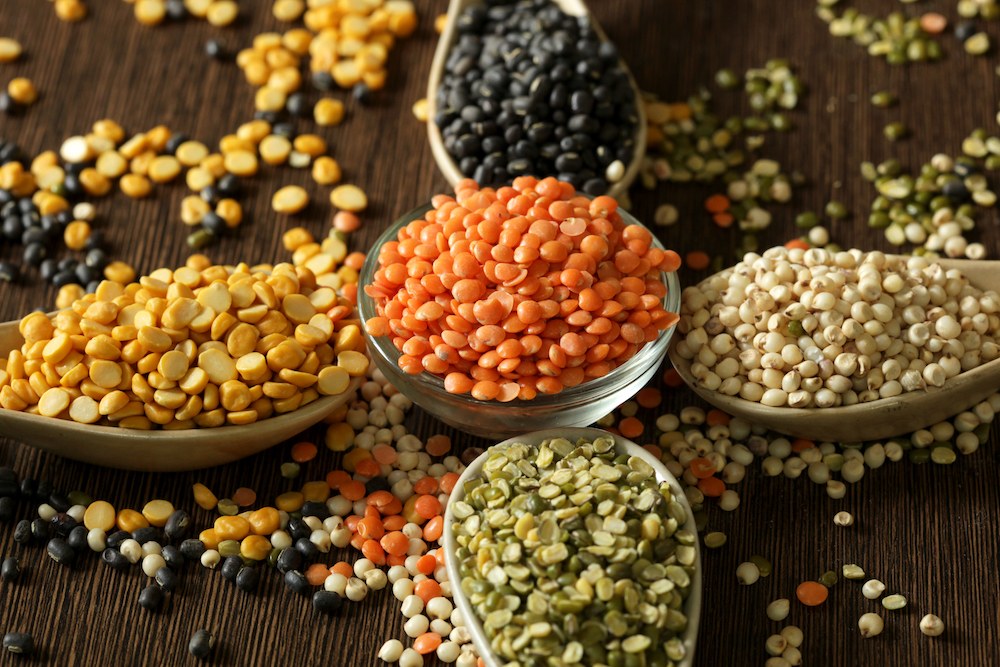
Lentils
Legume
Key nutrients: Plant protein, folate, iron, fiber
Health Benefits
- Supports sustained energy and satiety.
- Budget-friendly source of protein, folate, and fiber.
- Useful for balanced low-cost high-nutrient meals.
Best Preparation
Rinse, then simmer until tender with garlic, onion, and herbs. Add acidic ingredients near the end to prevent tough skins.
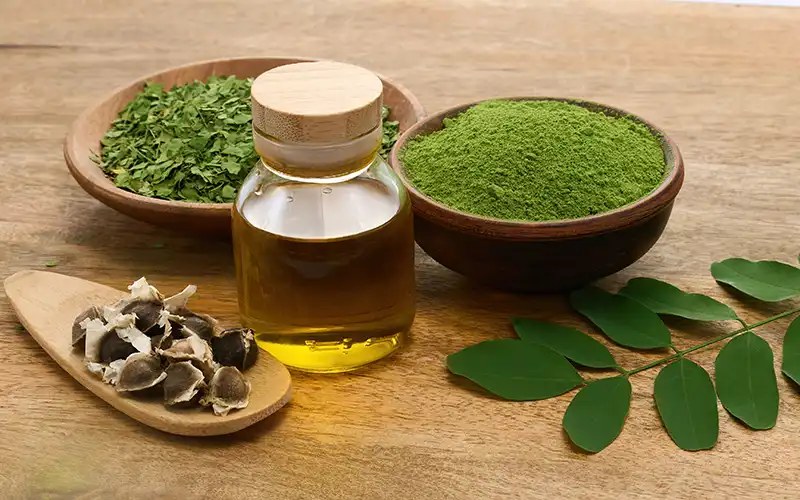
Moringa (Leaves)
Herb
Key nutrients: Vitamins A, C, calcium, polyphenols
Health Benefits
- Very nutrient-dense and rich in antioxidants.
- Concentrated source of vitamins A and C.
- Use sparingly in soups, smoothies, or teas.
Best Preparation
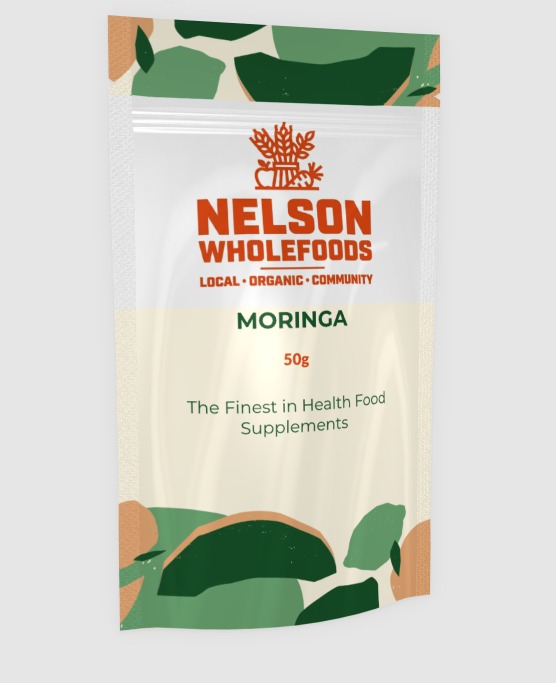
Use fresh leaves like spinach or add moringa powder in small amounts to soups, smoothies, or teas.
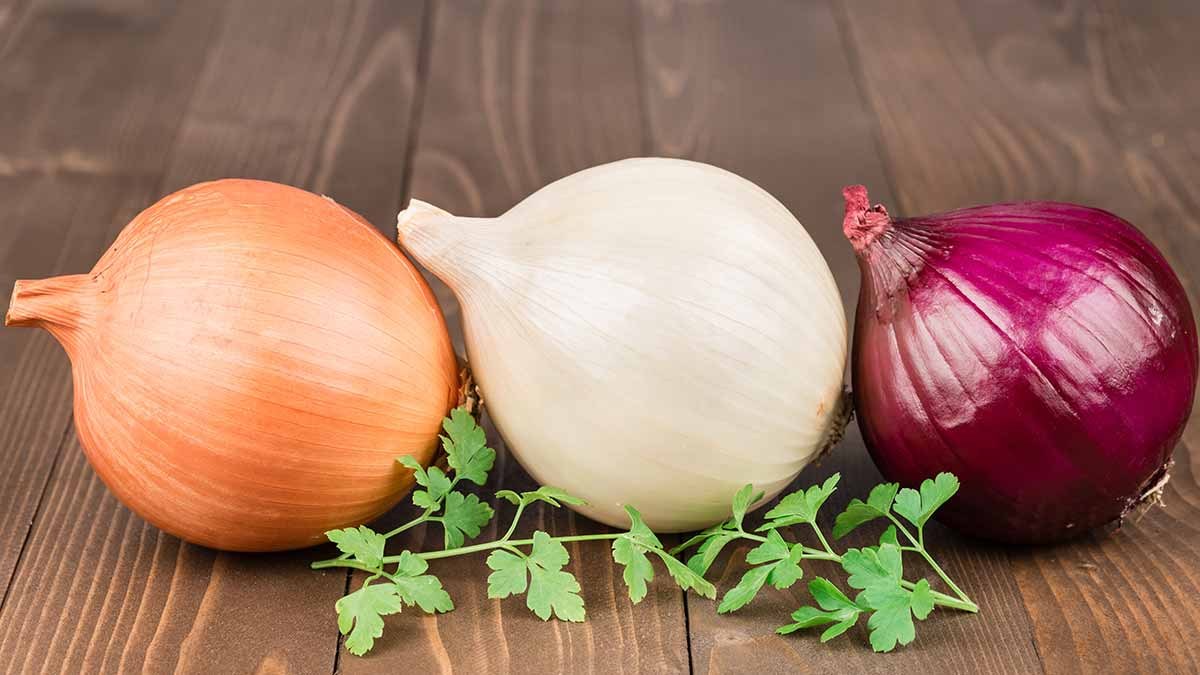
Onion
Vegetable
Key compounds: Quercetin and sulfur compounds
Health Benefits
- Rich in quercetin and prebiotic fibers.
- Contains prebiotic fibers that feed beneficial gut bacteria.
- Sweetens beautifully when slow-cooked.
Best Preparation
Use both raw and cooked forms. Slow-cook for sweetness or include finely chopped raw onion in salads and dressings.
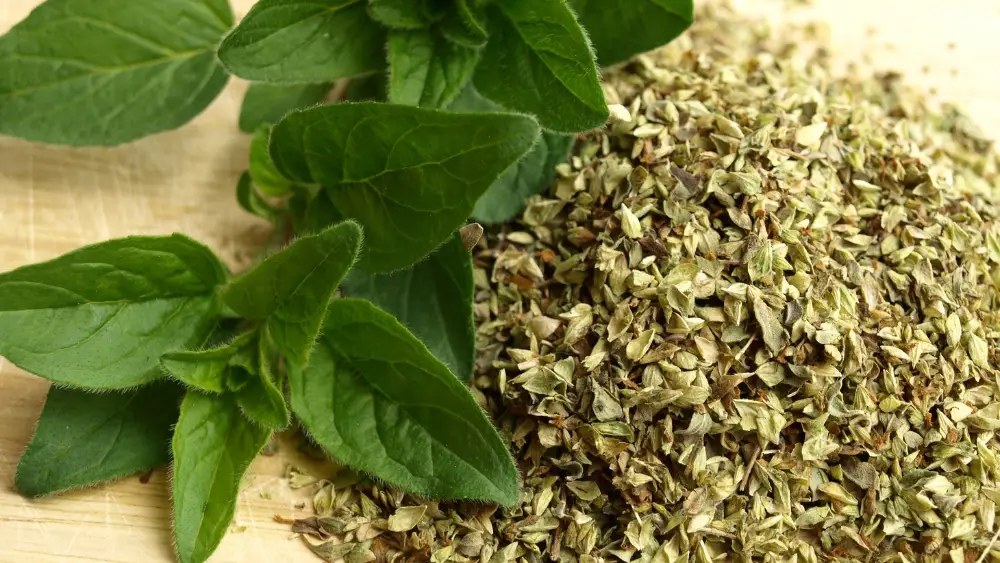
Oregano
Herb
Key compounds: Carvacrol and thymol
Health Benefits
- Provides antimicrobial phytochemicals.
- Supplies antioxidant support.
- Classic Mediterranean herb for sauces and roasts.
Best Preparation
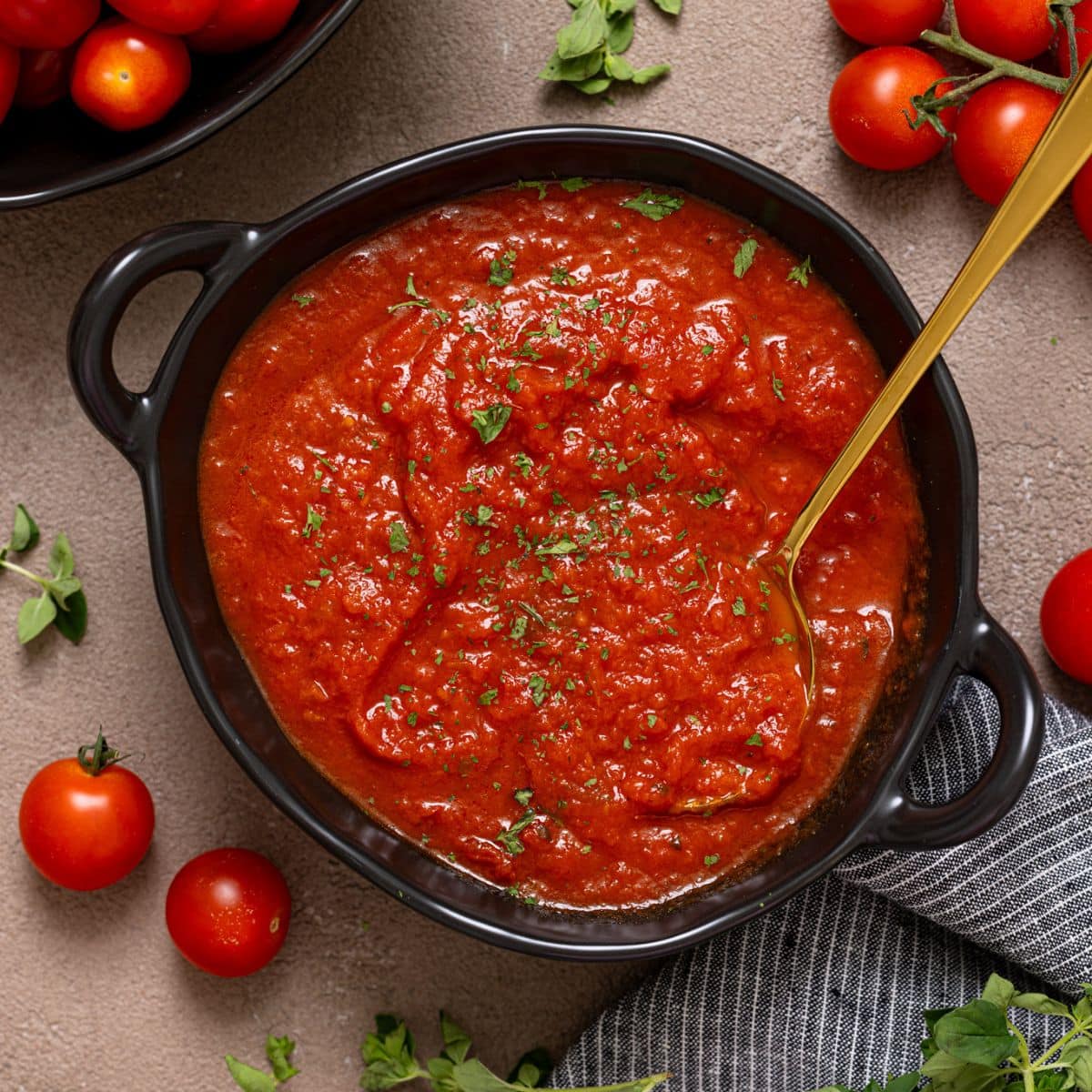
Rub dried leaves between fingers before adding to sauces; add fresh oregano near serving to preserve volatile oils.

Orange
Fruit
Key nutrients: Vitamin C, flavonoids, fiber
Health Benefits
- Excellent source of vitamin C and fiber.
- Contributes hydration and potassium.
- Juicy segments add brightness to meals.
Best Preparation
Prefer whole segments over juice to preserve fiber; pair with protein or nuts for steadier energy.
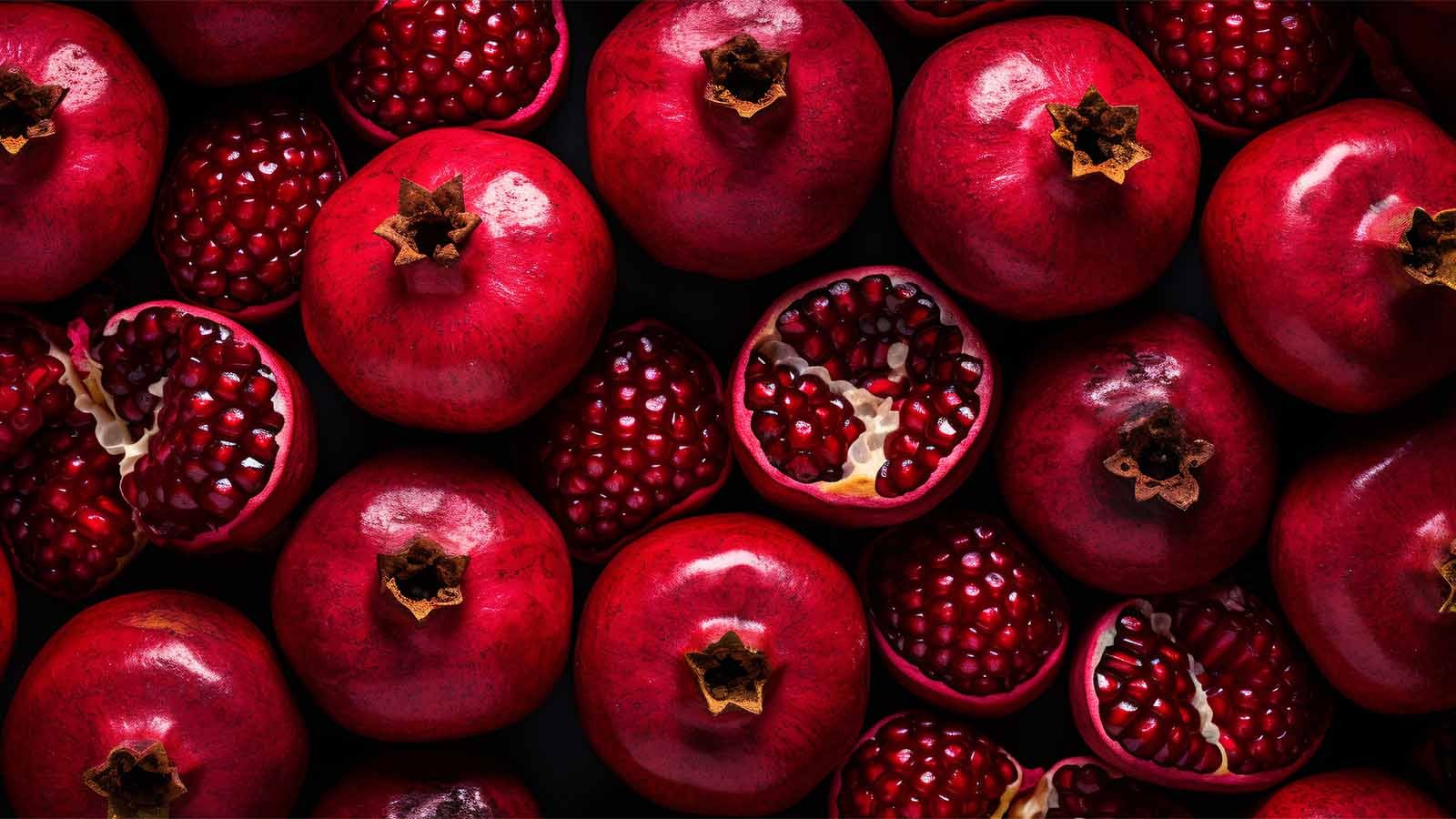
Pomegranate
Fruit
Key compounds: Punicalagins and anthocyanins
Health Benefits
- Tart seeds rich in punicalagins and anthocyanins.
- Ruby arils add crunch to salads and bowls.
- Refreshing topping for bowls and sides.
Best Preparation
Use fresh seeds over salads and bowls; choose whole seeds over sweetened juices for better fiber and satiety.
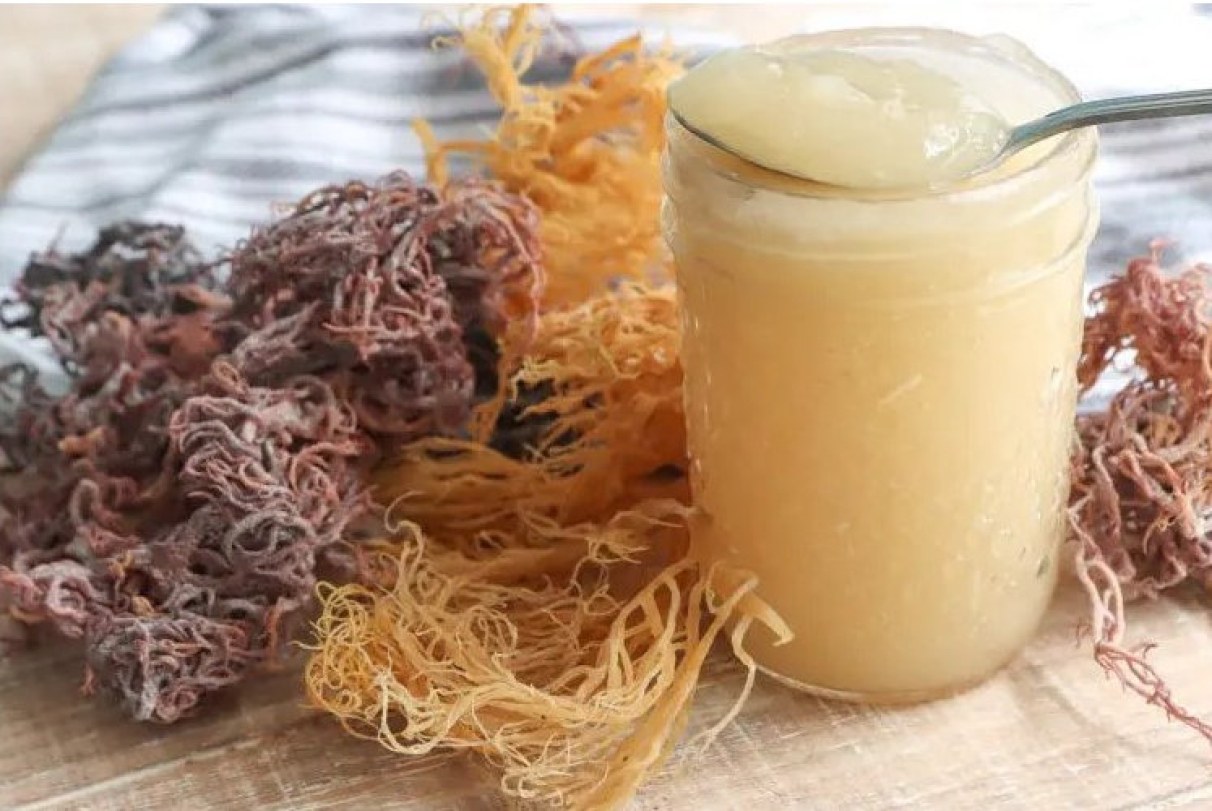
Sea Moss
Sea Plant
Key nutrients: Iodine, potassium, magnesium, soluble fiber
Health Benefits
- Contains iodine and sea minerals.
- Adds minerals and soluble fiber to blended drinks.
- Contains soothing soluble fiber for gut support.
Best Preparation
Rinse thoroughly, soak, then blend into a gel and use small portions in smoothies, soups, or porridge.
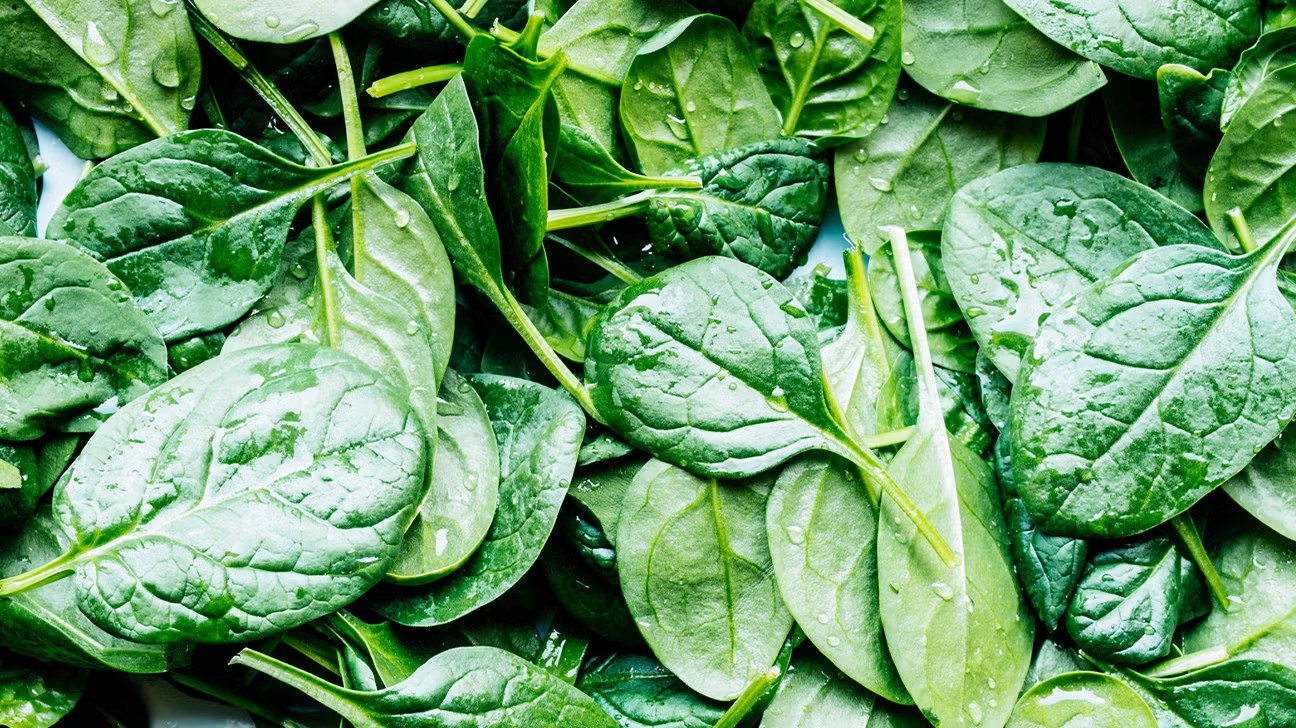
Spinach
Vegetable
Key nutrients: Folate, vitamin K, magnesium, lutein
Health Benefits
- Rich in folate, iron, lutein, and vitamin K.
- Provides antioxidant compounds and minerals.
- Mild green for salads, sautés, and smoothies.
Best Preparation
Use raw in salads or lightly steam/saute to reduce volume and improve mineral availability; avoid overcooking.
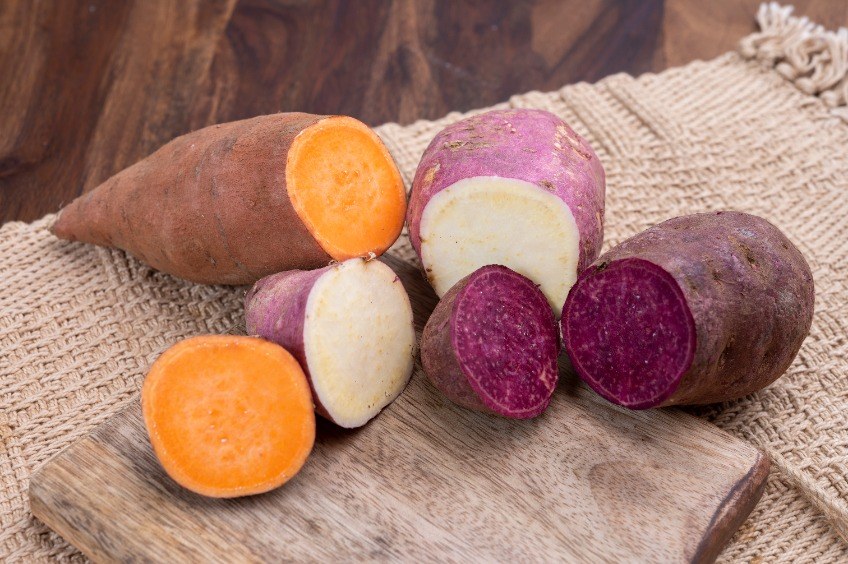
Sweet Potato
Vegetable
Key nutrients: Beta-carotene, vitamin C, potassium, fiber
Health Benefits
- High in beta-carotene, vitamin C, and potassium.
- Provides steady carbohydrate energy with fiber.
- High in fiber for satisfying meals.
Best Preparation
Bake or steam with skin on when possible; add herbs, olive oil, and pepper instead of heavy sugary toppings.
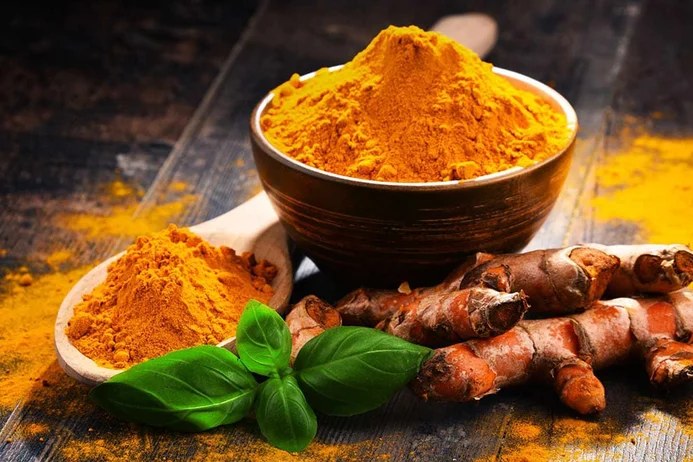
Turmeric
Spice
Active compounds: Curcumin and related curcuminoids
Health Benefits
- Golden spice with curcumin and warm flavor.
- Provides antioxidant support for cells and tissues.
- Best paired with black pepper and a little fat.
Best Preparation
Bloom gently in warm olive oil for 20-30 seconds, then combine with black pepper and a small amount of healthy fat for improved absorption.
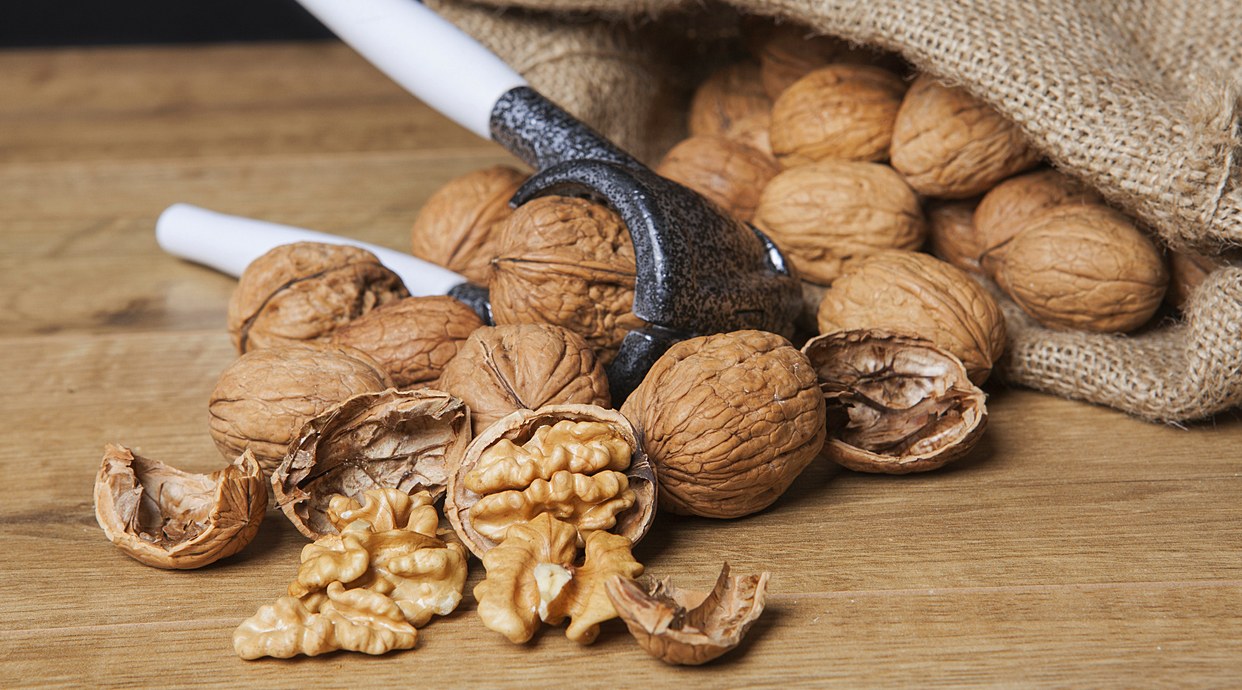
Walnuts
Nut
Key nutrients: Omega-3 ALA, polyphenols, magnesium
Health Benefits
- One of the richest plant sources of omega-3 ALA.
- Adds nutty flavor and healthy fats when ground.
- Helps improve meal satiety and nutrient density.
Best Preparation
Use raw or lightly toasted; store in a cool place to protect delicate fats from oxidation.
Note: This library shares culinary and nutrition information for general interest. Individual needs vary—consult a qualified professional for personalized advice.