Our aim is to provide those with the passion and the willpower with the necessary know-how and eventually skill to produce at will not only food as vital nourishment to the body, but to facilitate you with the ability to understand all the food you consume in terms of how it works or affects you.
We provide a wide range of whole-food recipes for everyday cooking—from quick breakfasts to hearty mains—to help you build flavorful, nourishing meals. Whatever your goals in the kitchen, this book is here to inspire you… enjoy…
“The Cornography Book of Recipes” wish you the best on your journey through self-development and invite you to create variants of these recipes, using whatever portions of the ingredients you believe will benefit you the most or taste best. Although unhealthy and inorganic ingredients can be used as substitutes for our recommendations, we highly recommend that you be kind to yourself by focusing on only the best ingredients available to you at any particular time. Good Luck!
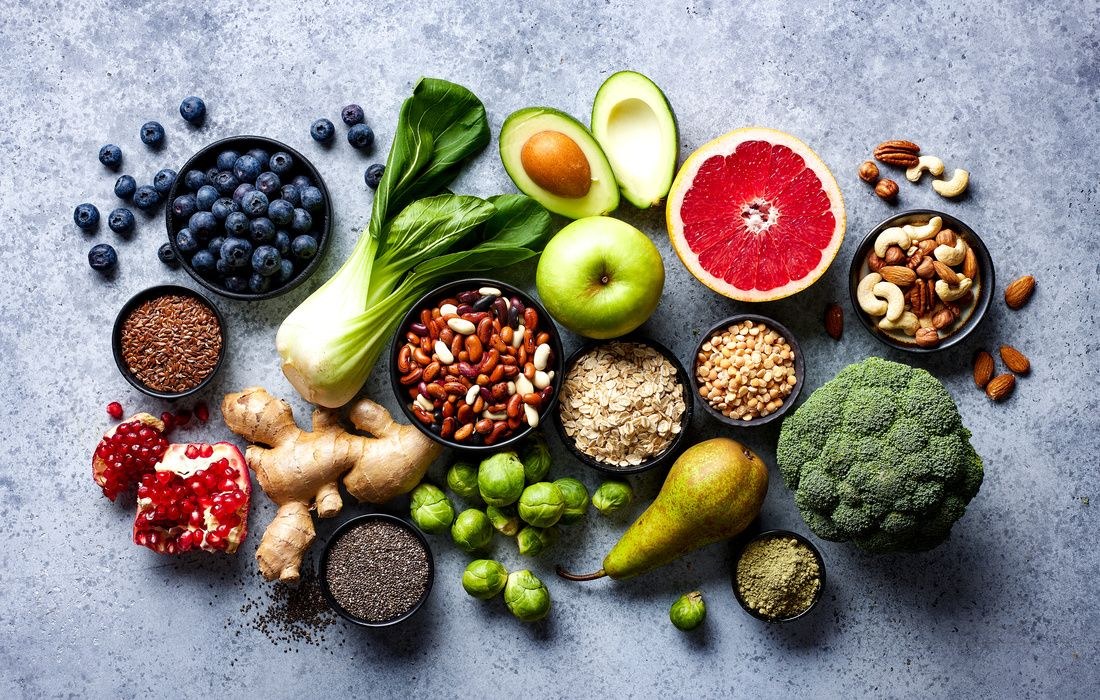
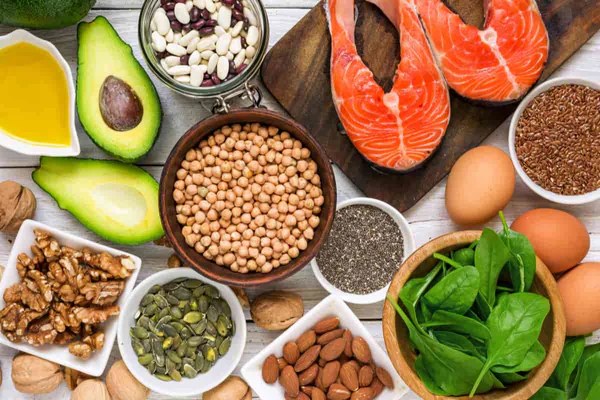
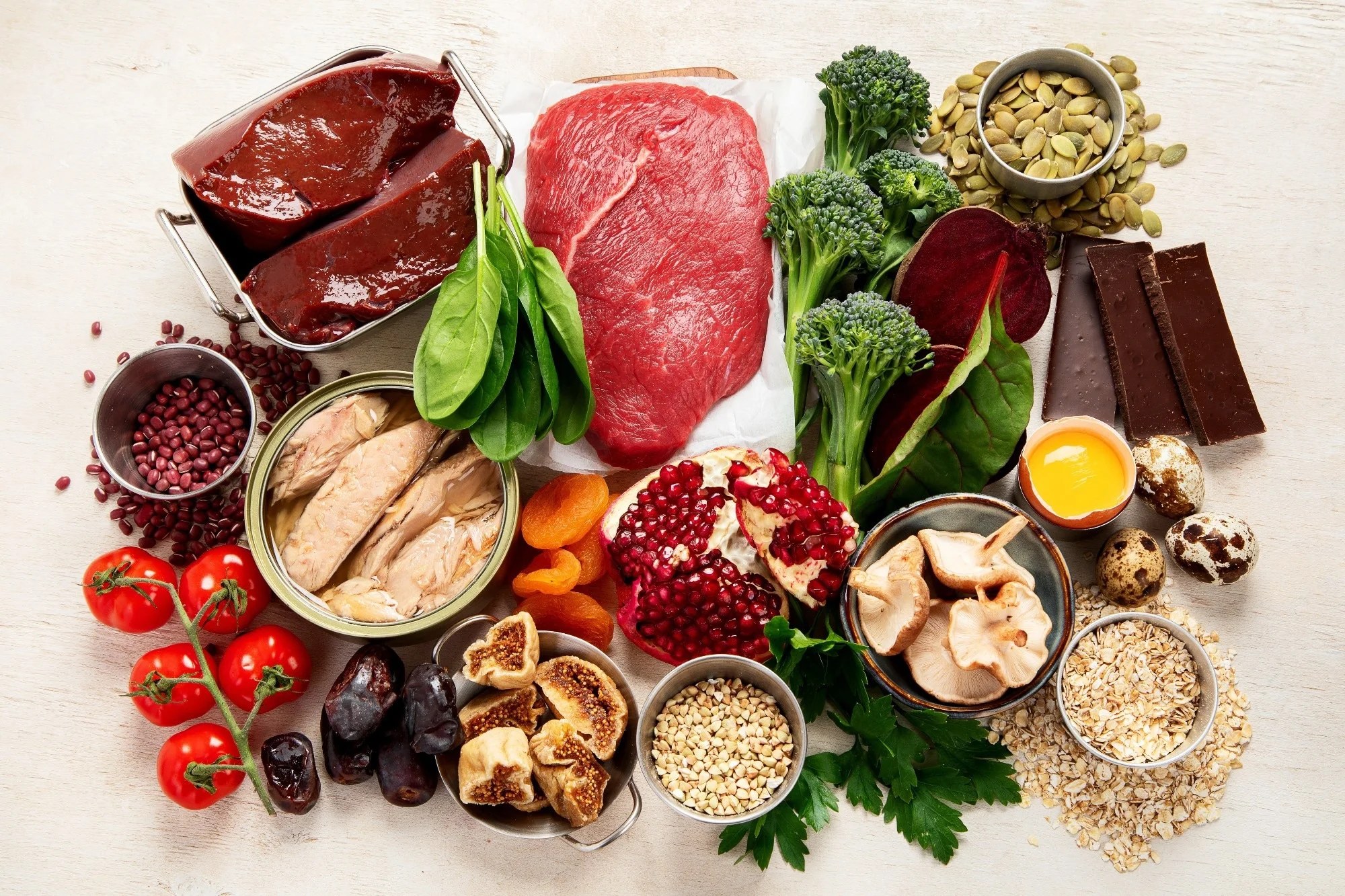
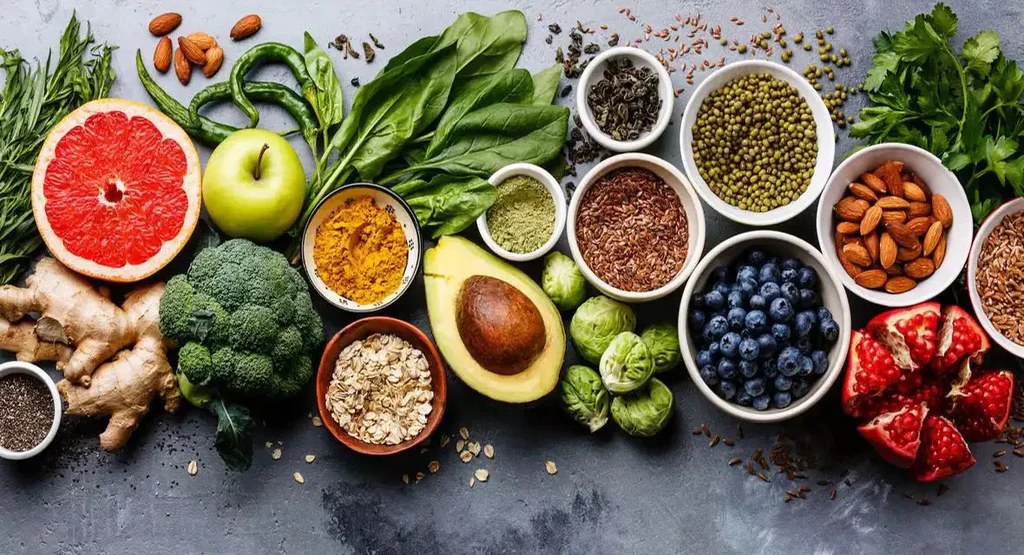
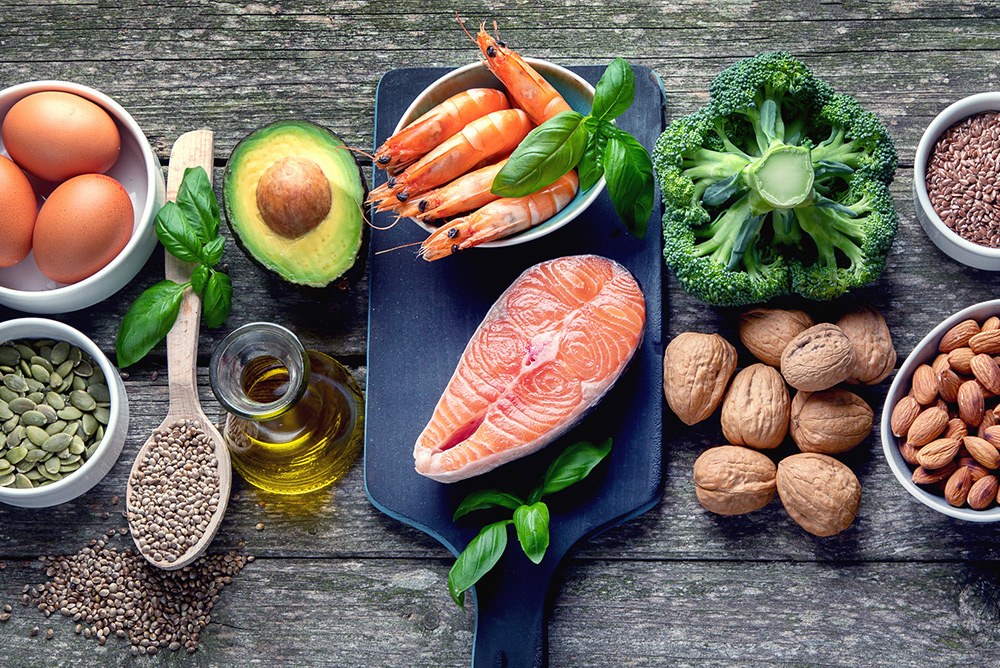
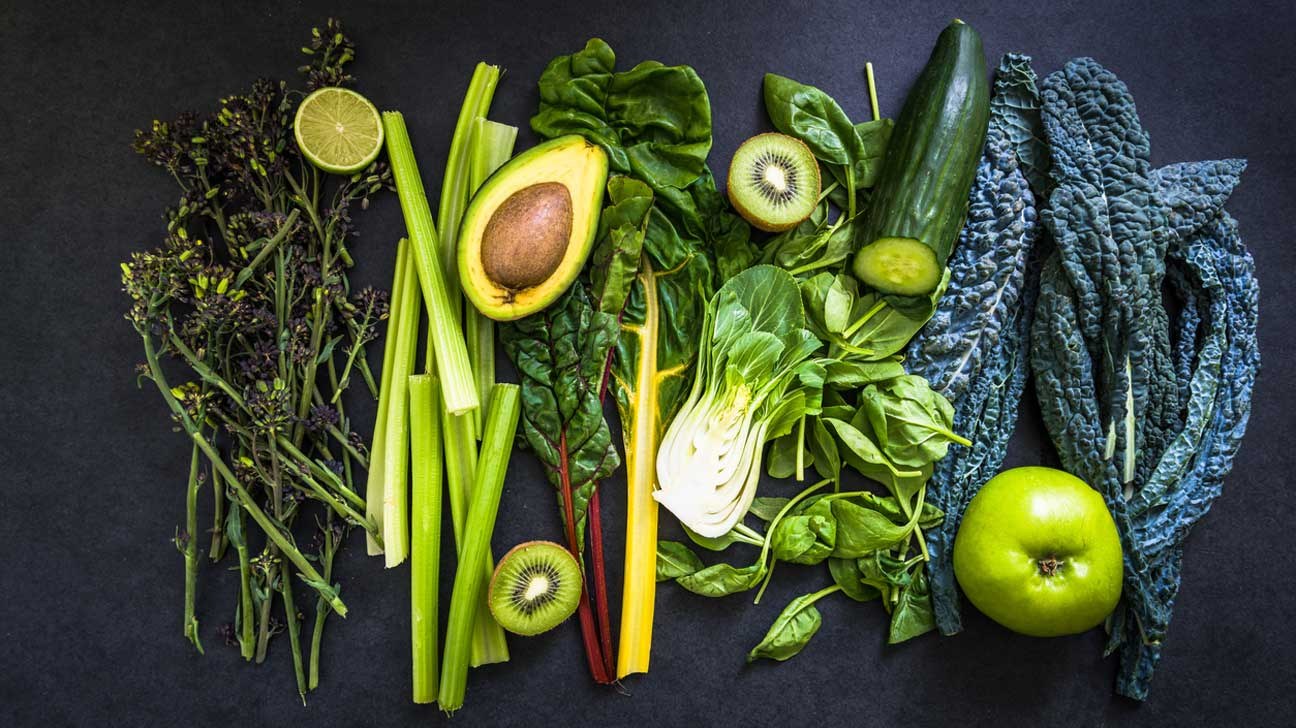
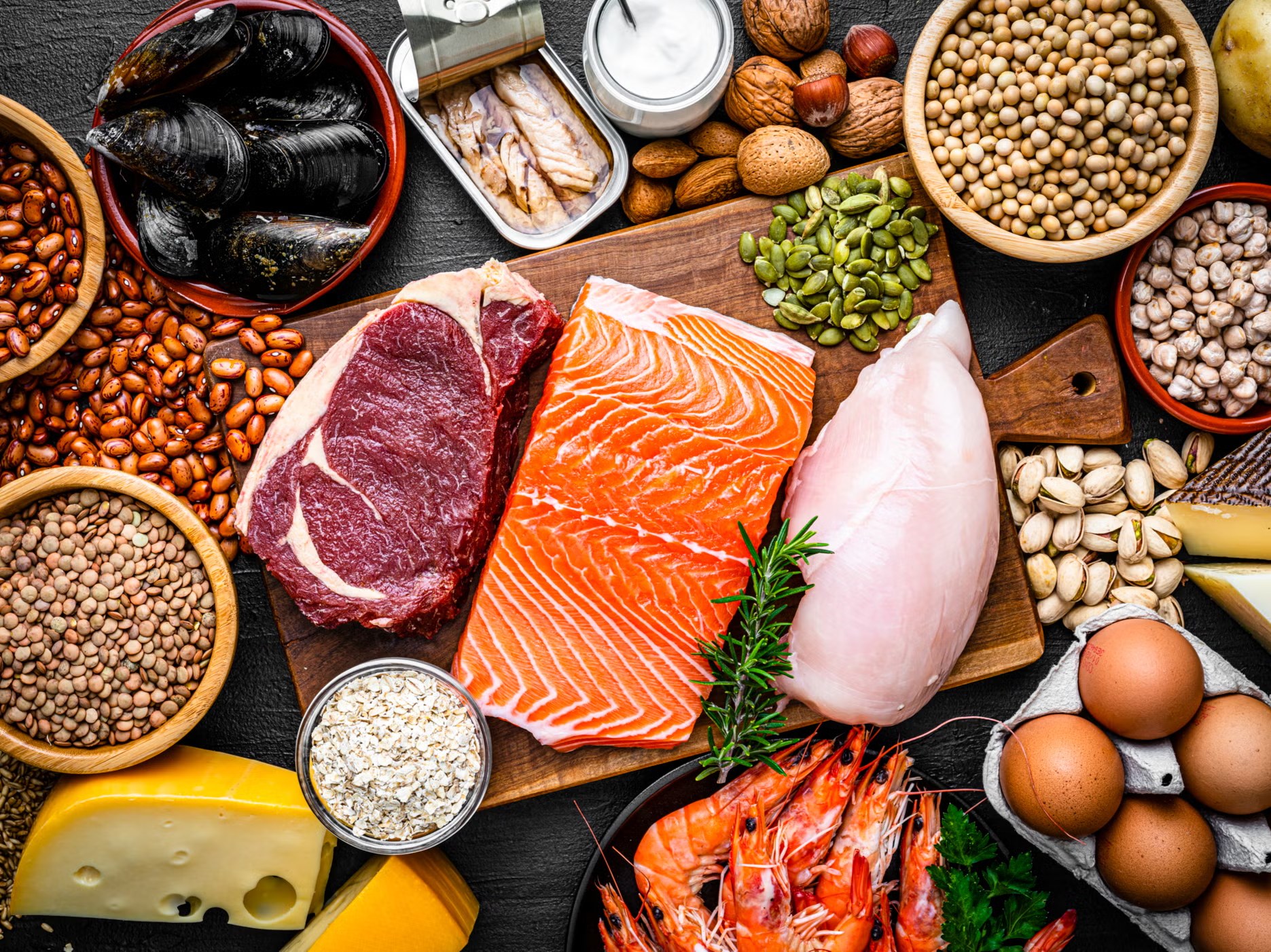
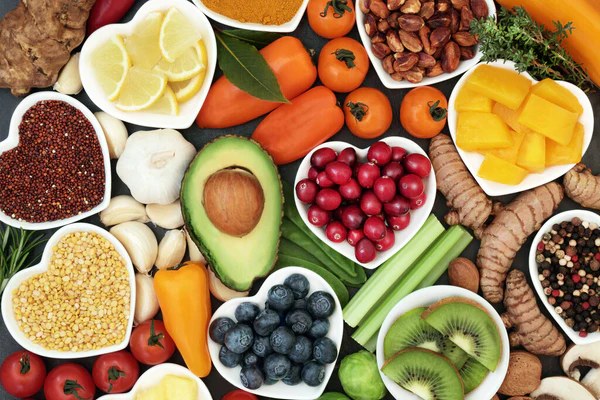
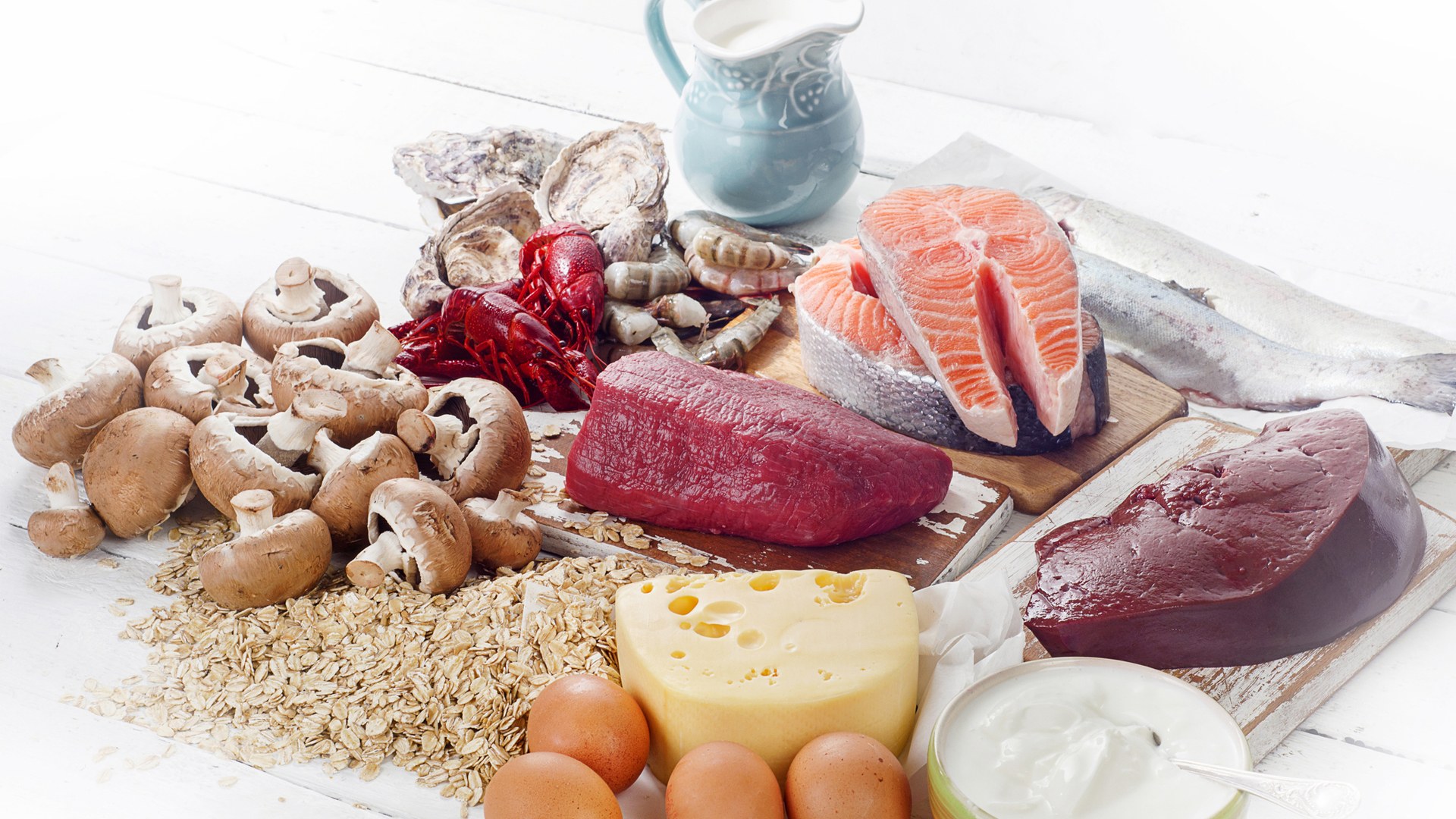
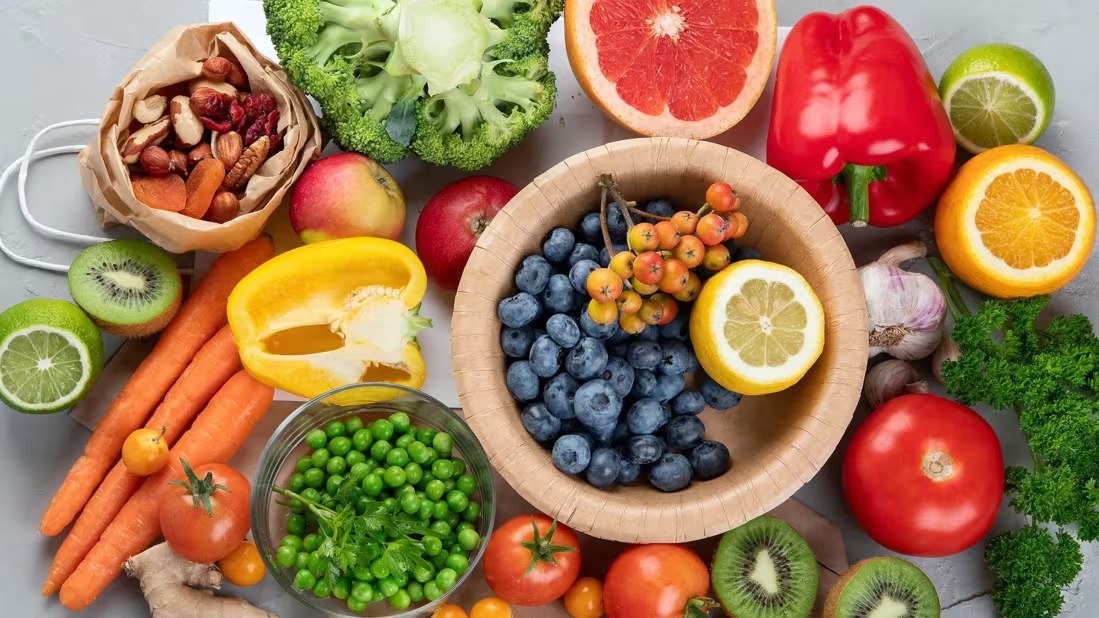
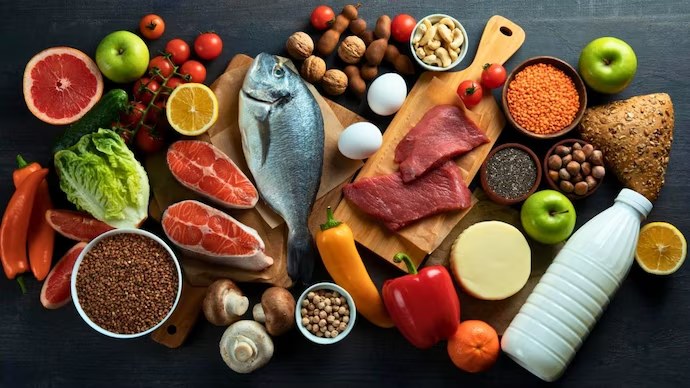
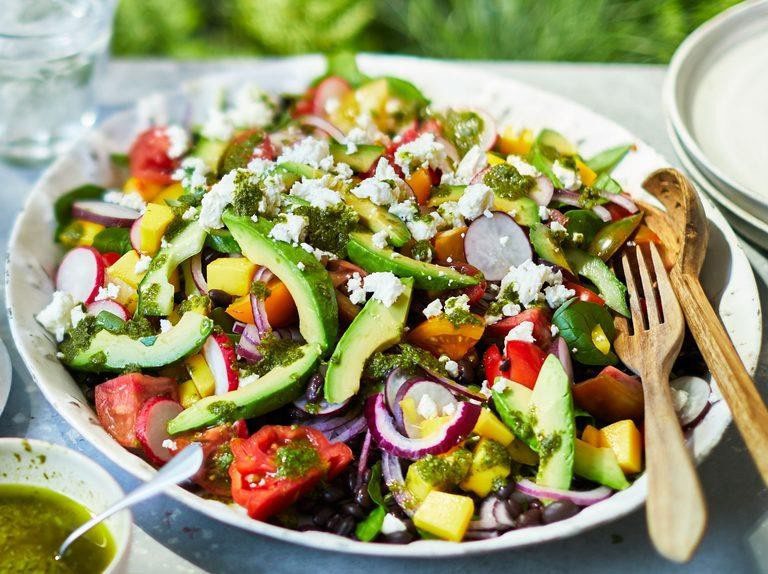
Here is a list of primary foods that this book advocates for and recommends eating on a daily basis in combination with other varied ingredients. Rotate these four categories for variety, flavor, and balanced nutrition, as long as you are not allergic to any of them.
Superfood Supplements: Herbs & Spices
5 herbs and spices valued for bold flavor, aroma, and culinary versatility.
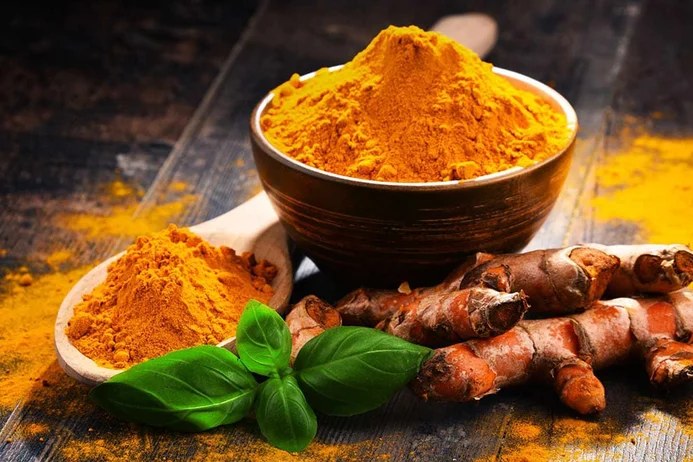
1. Turmeric
Key compound: Curcumin
Rich in curcumin and antioxidant compounds
Warm, earthy spice for curries, soups, and rice
Contains curcumin, a well-known plant antioxidant
Provides antioxidant compounds from curcuminoids
How to use: Add to curries, soups, or rice. Combine with black pepper to improve absorption.
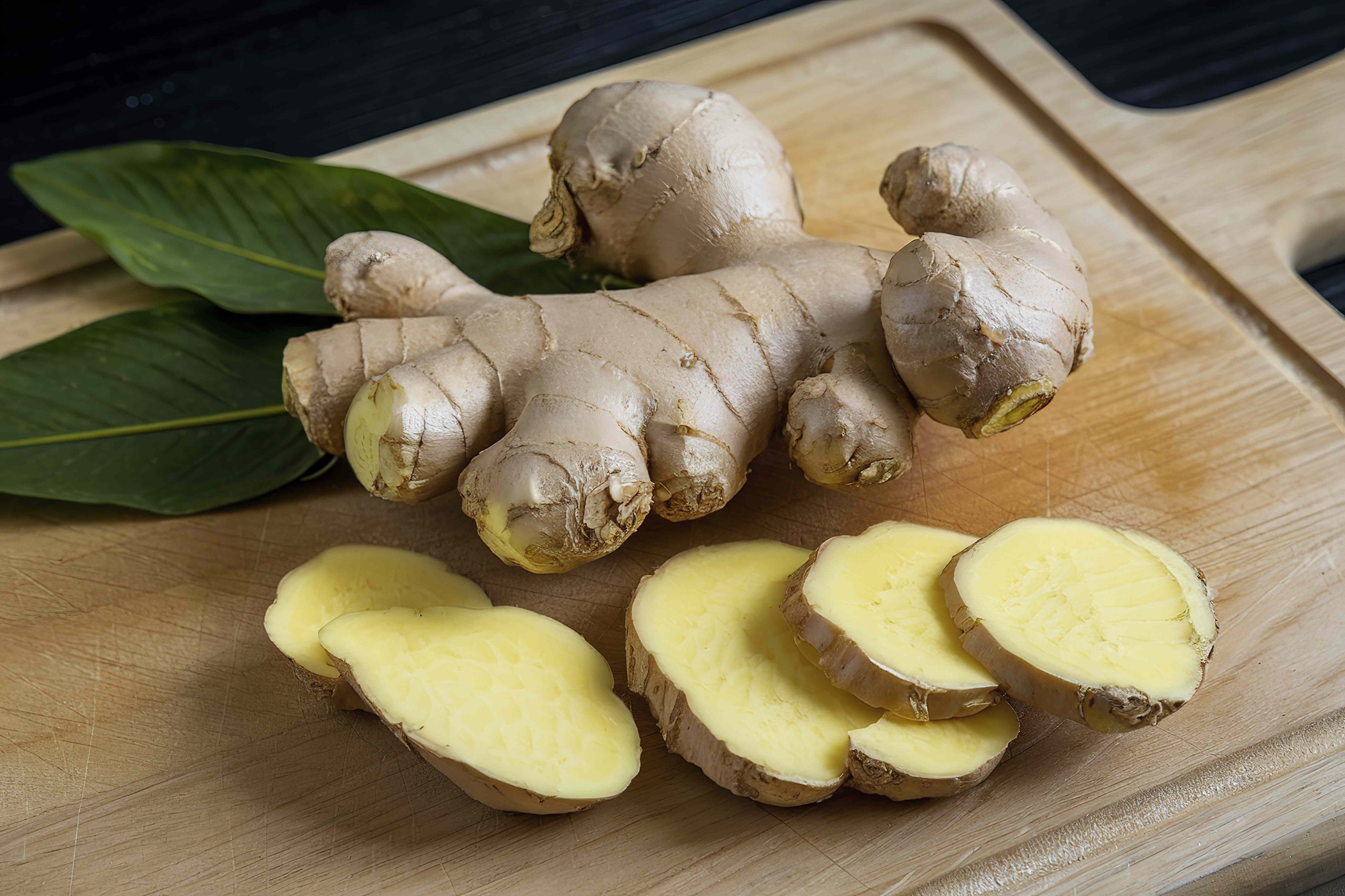
2. Ginger
Key compounds: Gingerols and shogaols
Bright, warming flavor for teas and stir-fries
Contains gingerols and shogaols
Popular in teas, smoothies, and Asian-inspired dishes
High in antioxidant plant compounds
How to use: Fresh ginger tea, stir-fries, smoothies, soups.
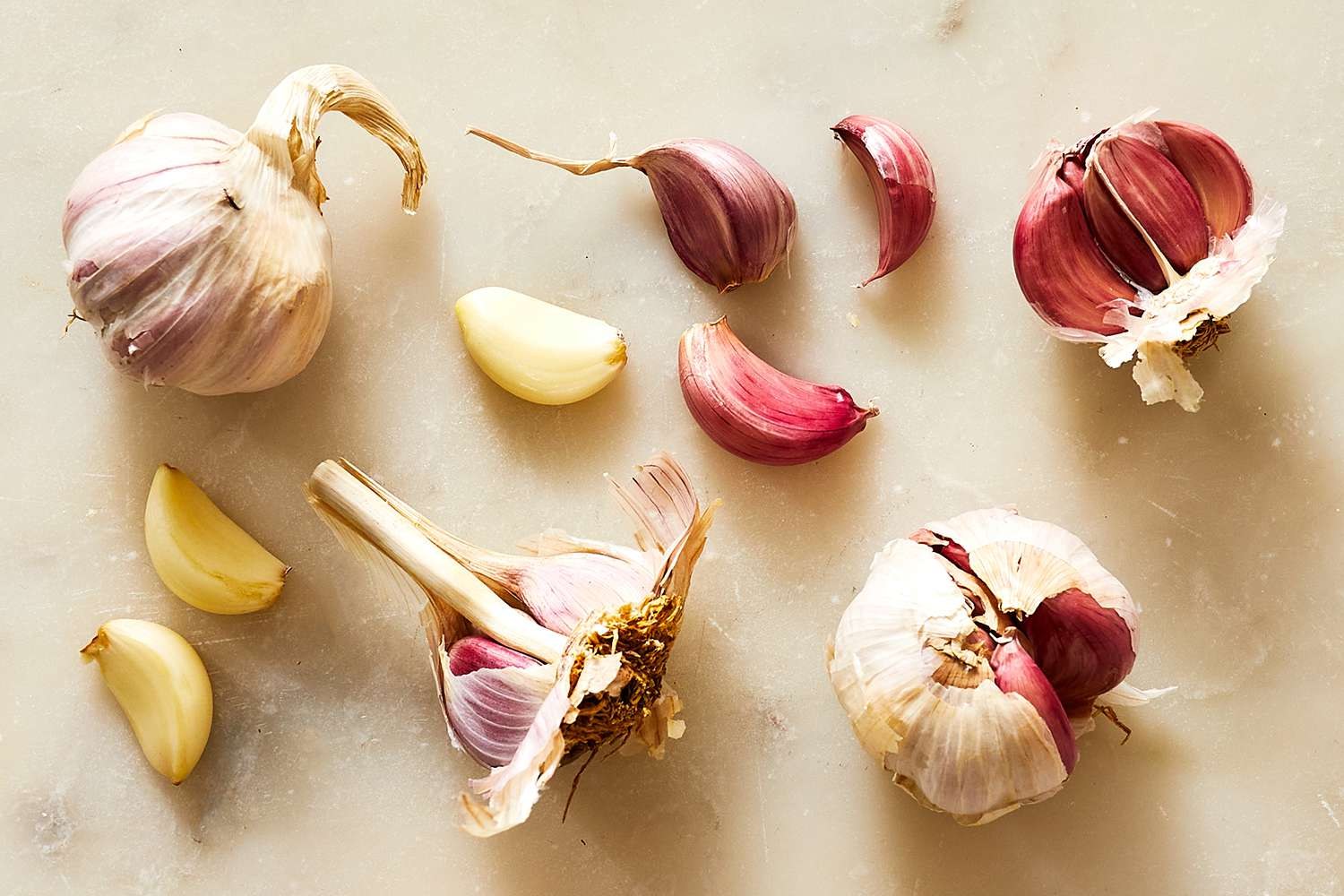
3. Garlic
Key compound: Allicin
Adds savory depth to sauces and dressings
Contains allicin when freshly crushed
Strong aromatic flavor for cooking
Versatile in raw and cooked dishes
How to use: Fresh crushed garlic in cooking, raw in salad dressings.
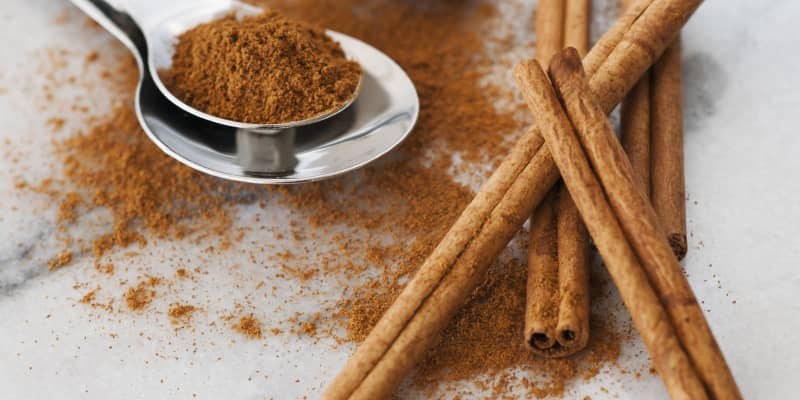
4. Cinnamon
Key compounds: Cinnamaldehyde, polyphenols
Warm, sweet spice for oats and smoothies
Strong antioxidant
Pairs well with fruit and breakfast bowls
How to use: Add to oatmeal, yogurt, coffee, or smoothies.
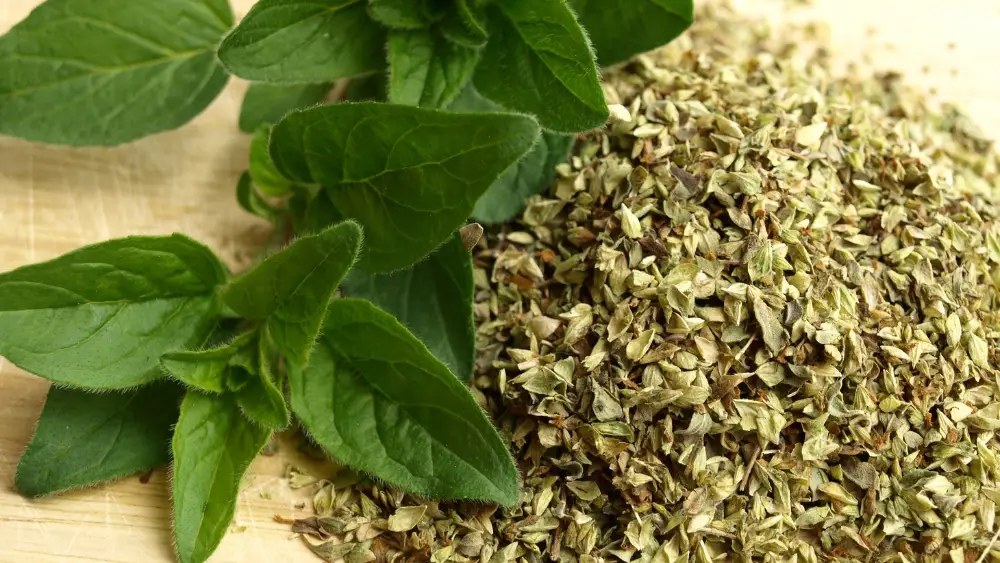
5. Oregano
Key compounds: Carvacrol and thymol
Strong antimicrobial properties
High in antioxidants
Bold herb for sauces and roasted vegetables
How to use: Add to pasta sauces, roasted vegetables, and salads.
Simple daily combo: Ginger tea in the morning • Garlic and oregano in meals • Cinnamon in breakfast • Turmeric in dinner dishes
Nuts & Legumes
5 of the best nuts and legumes for everyday cooking, chosen for nutrient density, protein, fiber, and versatility.
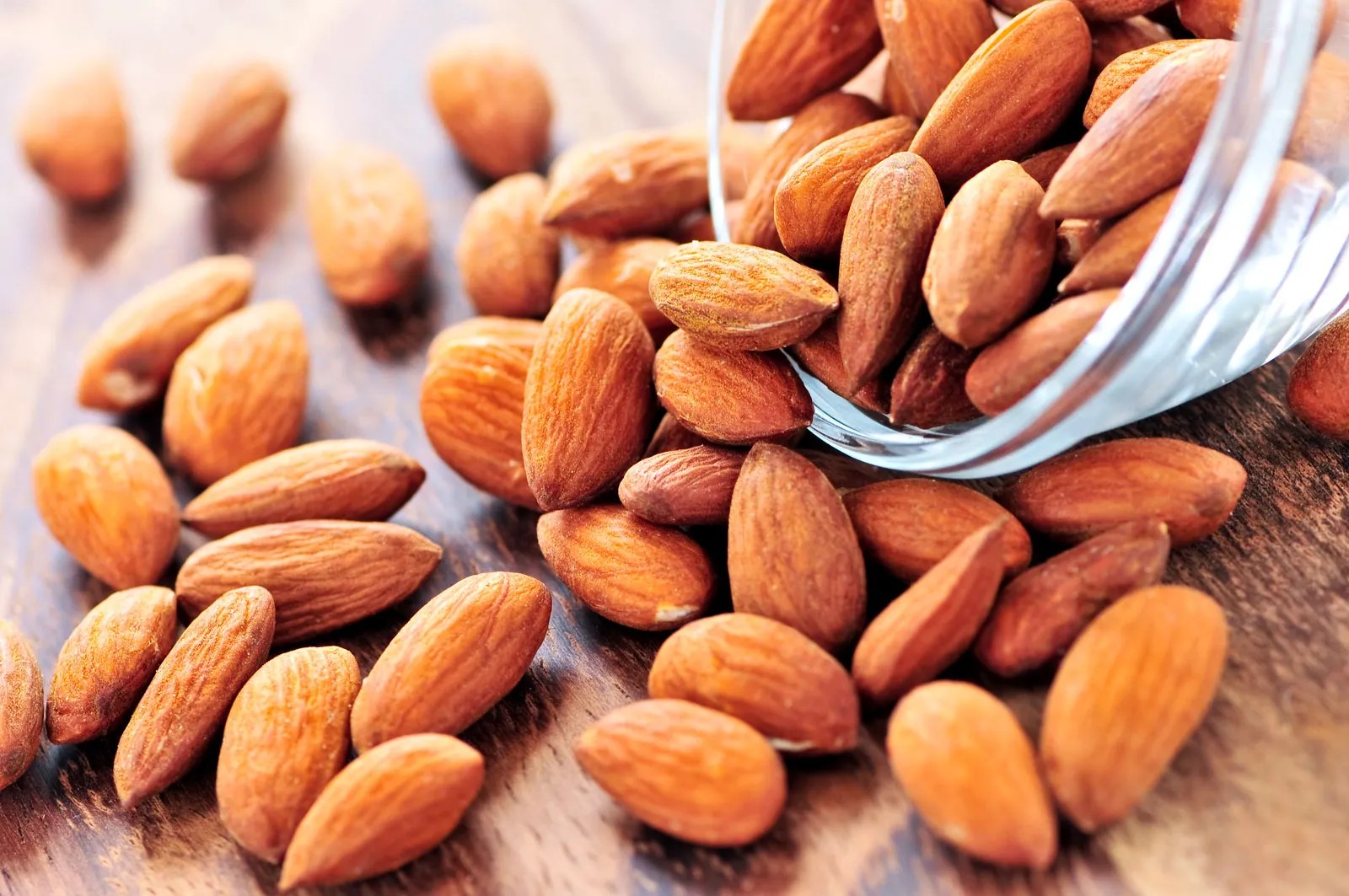
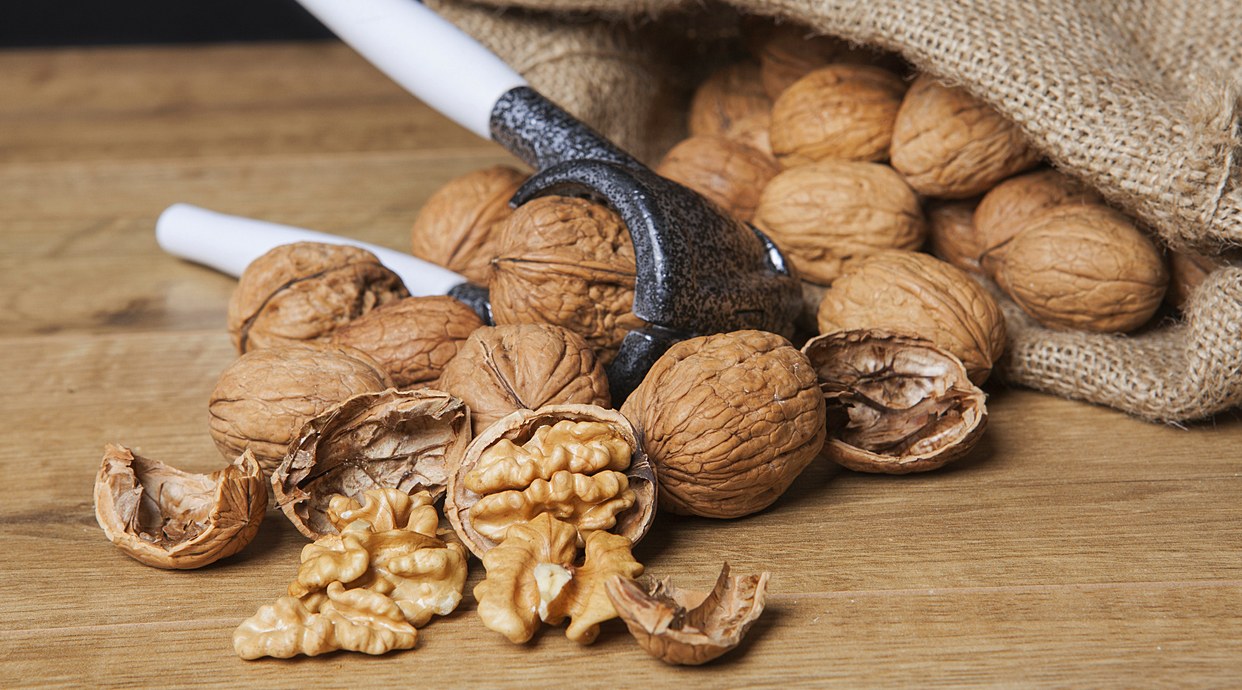
1. Walnut
One of the richest plant sources of omega-3 fatty acids
Key nutrients: Vitamin E, magnesium, fiber, healthy monounsaturated fats
3. Pistachio
Lower calories than many nuts
High in protein and fiber
High in fiber and lutein
Contains antioxidants beneficial for eye health
Key nutrients: Protein, potassium, lutein, fiber
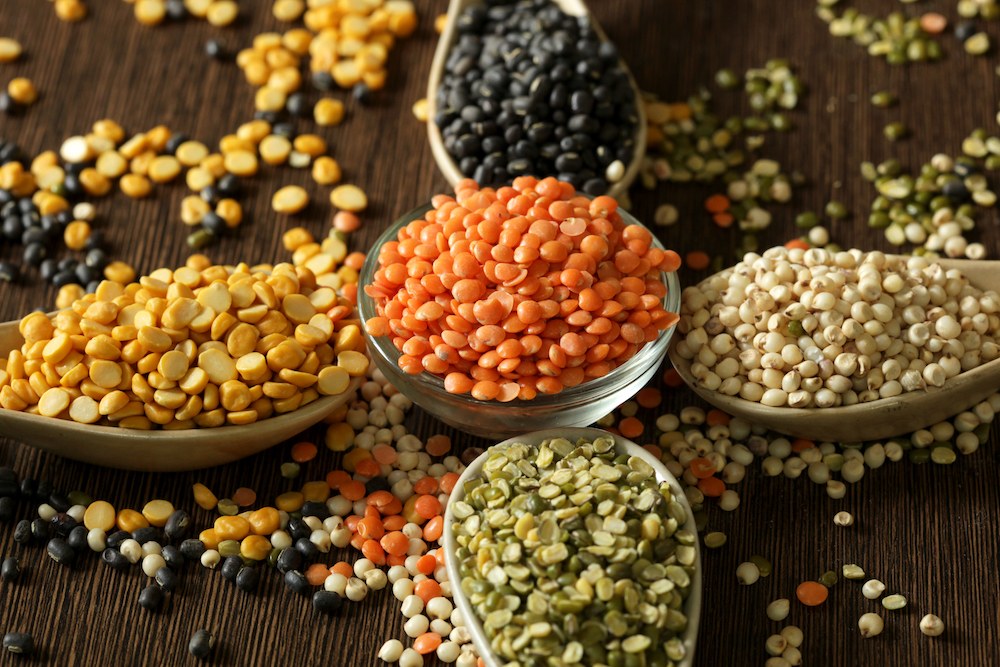
4. Lentil
One of the most nutrient-dense legumes
Very high in plant protein and fiber
Rich in fiber and plant protein
Excellent source of folate and iron
Key nutrients: Protein, folate, iron, fiber
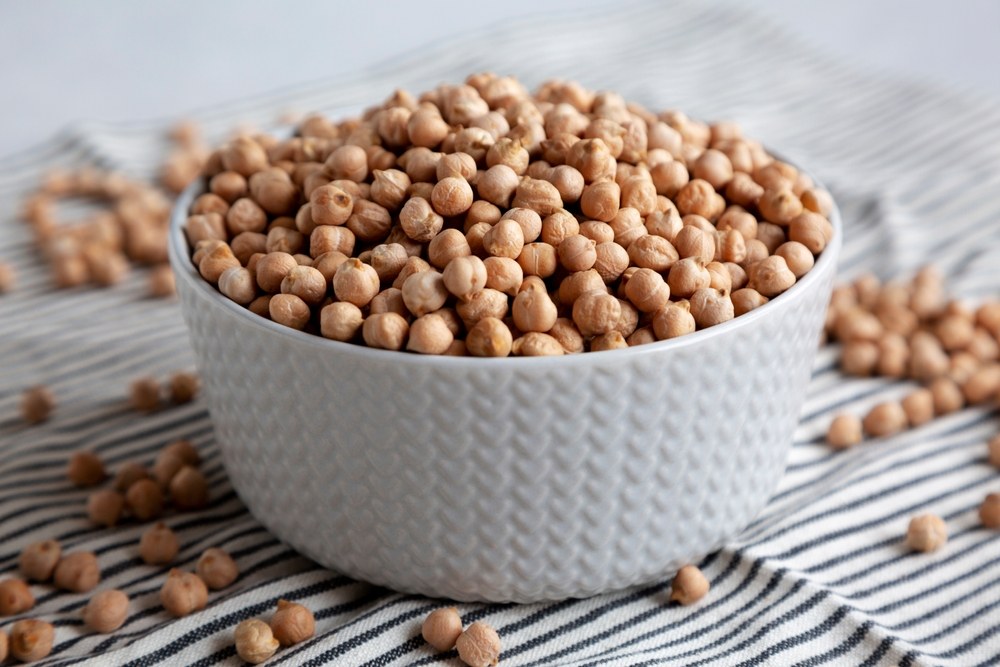
5. Chickpea
High in fiber and plant protein
Filling and versatile in hummus, curries, and salads
Good source of manganese and folate
Key nutrients: Protein, fiber, manganese, folate
Daily guideline: Nuts ~30g (a small handful) • Legumes ½–1 cup cooked daily. Rotate different nuts and legumes through the week for a broader spectrum of micronutrients.
Fruits
5 of the best fruits for everyday eating, chosen for their antioxidants, vitamins, fiber, and natural sweetness.
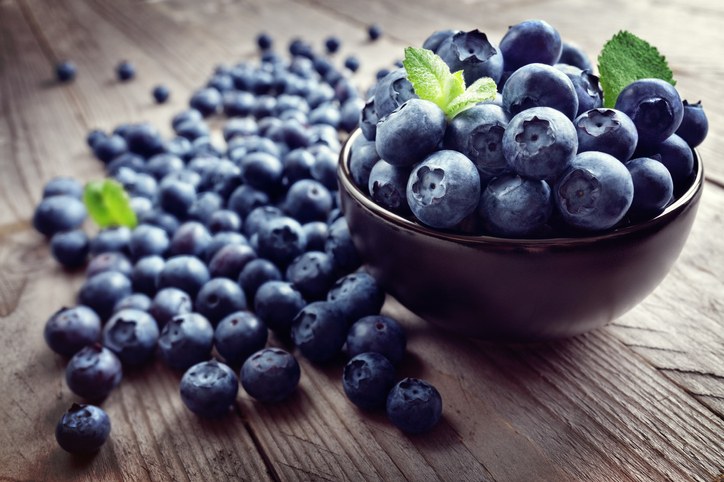
1. Blueberry
One of the highest antioxidant fruits
High in anthocyanin antioxidants
Among the highest-antioxidant fruits
Good source of vitamin C and vitamin K
Key nutrients: Vitamin C, vitamin K, anthocyanins
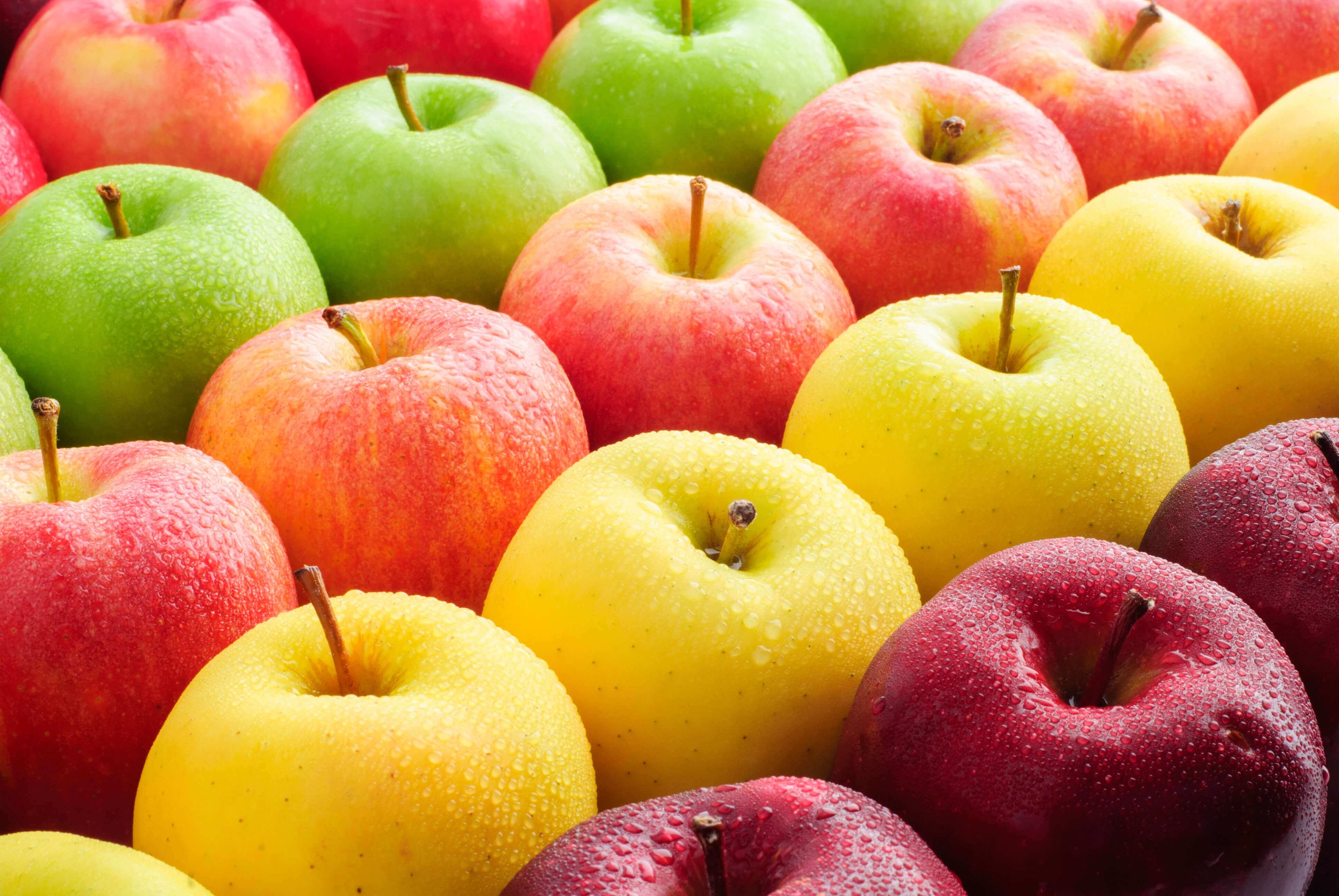
2. Apple
High in soluble fiber (pectin) for gut health
Warm, sweet spice for oats and smoothies
Contains polyphenols and vitamin C
Fiber-rich snack or salad addition
Key nutrients: Fiber, vitamin C, polyphenols
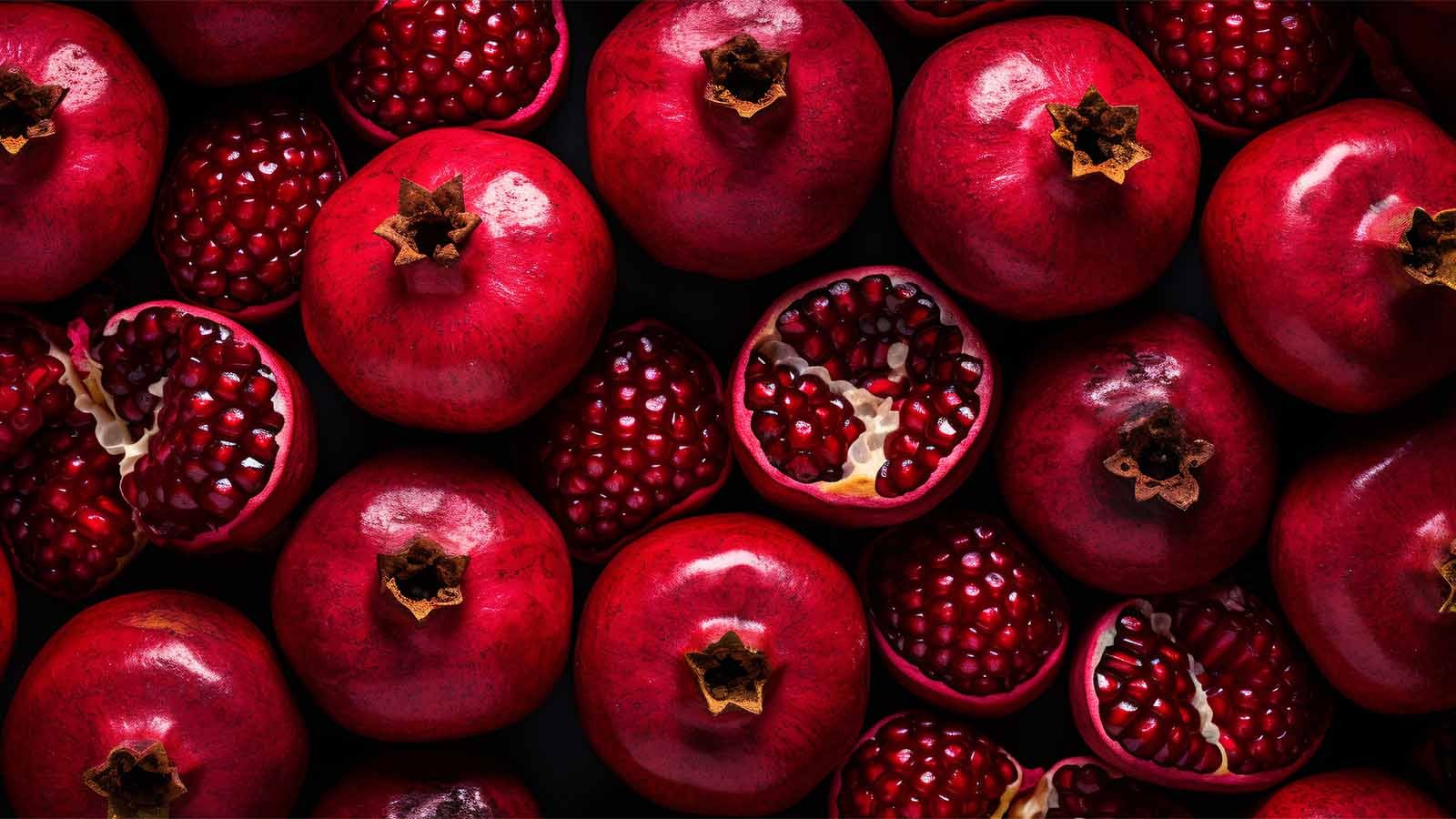
3. Pomegranate
Very rich in antioxidants (punicalagins)
Rich in punicalagins and polyphenols
Deep ruby color from antioxidant compounds
May improve exercise recovery
Key nutrients: Vitamin C, potassium, polyphenols
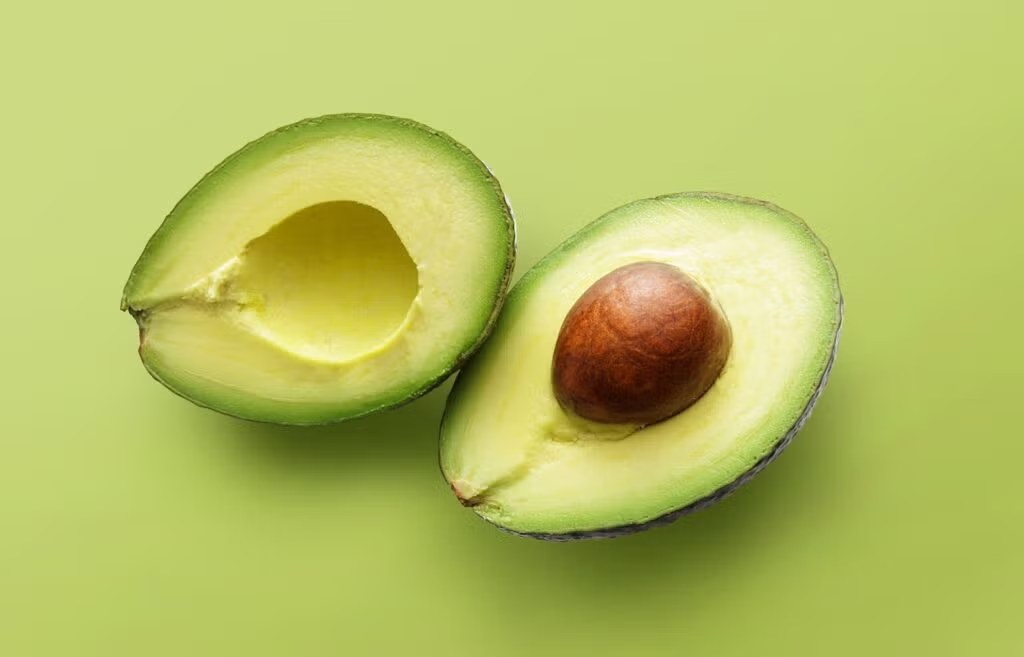
4. Avocado
Rich in healthy monounsaturated fats
Adds savory depth to sauces and dressings
Helps absorption of fat-soluble vitamins
Creamy texture with fiber and potassium
Key nutrients: Potassium, fiber, healthy fats
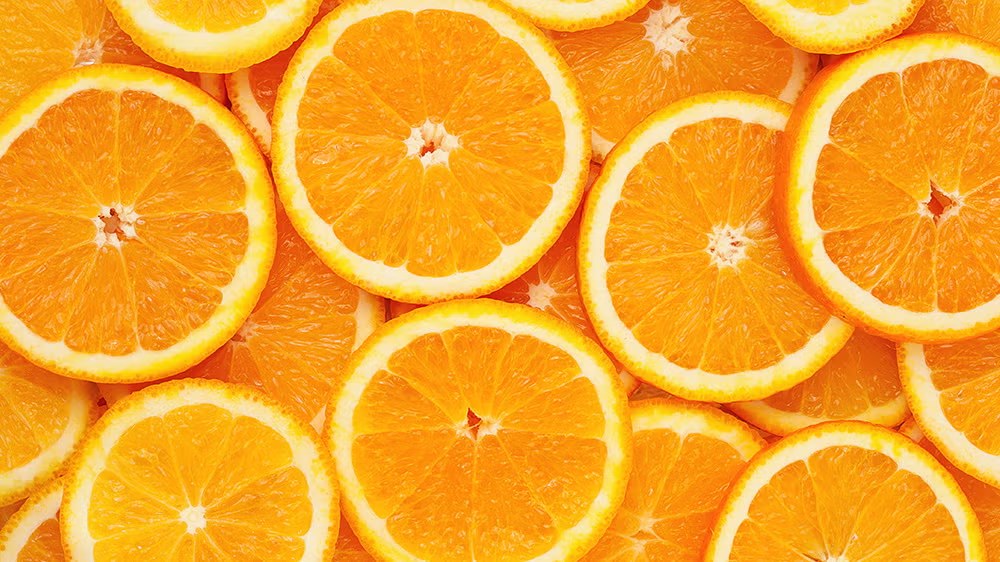
5. Orange
Excellent source of vitamin C
High in antioxidant plant compounds
Provides potassium and hydration
Hydrating and high in fiber
Key nutrients: Vitamin C, flavonoids, potassium
Daily fruit mix idea: Morning — apple or orange • Snack — blueberries • Meal addition — avocado • Evening — pomegranate seeds. Eating a variety of colours brings different flavors and plant compounds to your plate.
Vegetables
5 of the best vegetables for everyday cooking, chosen for their nutrient density, fiber, antioxidants, and versatility.
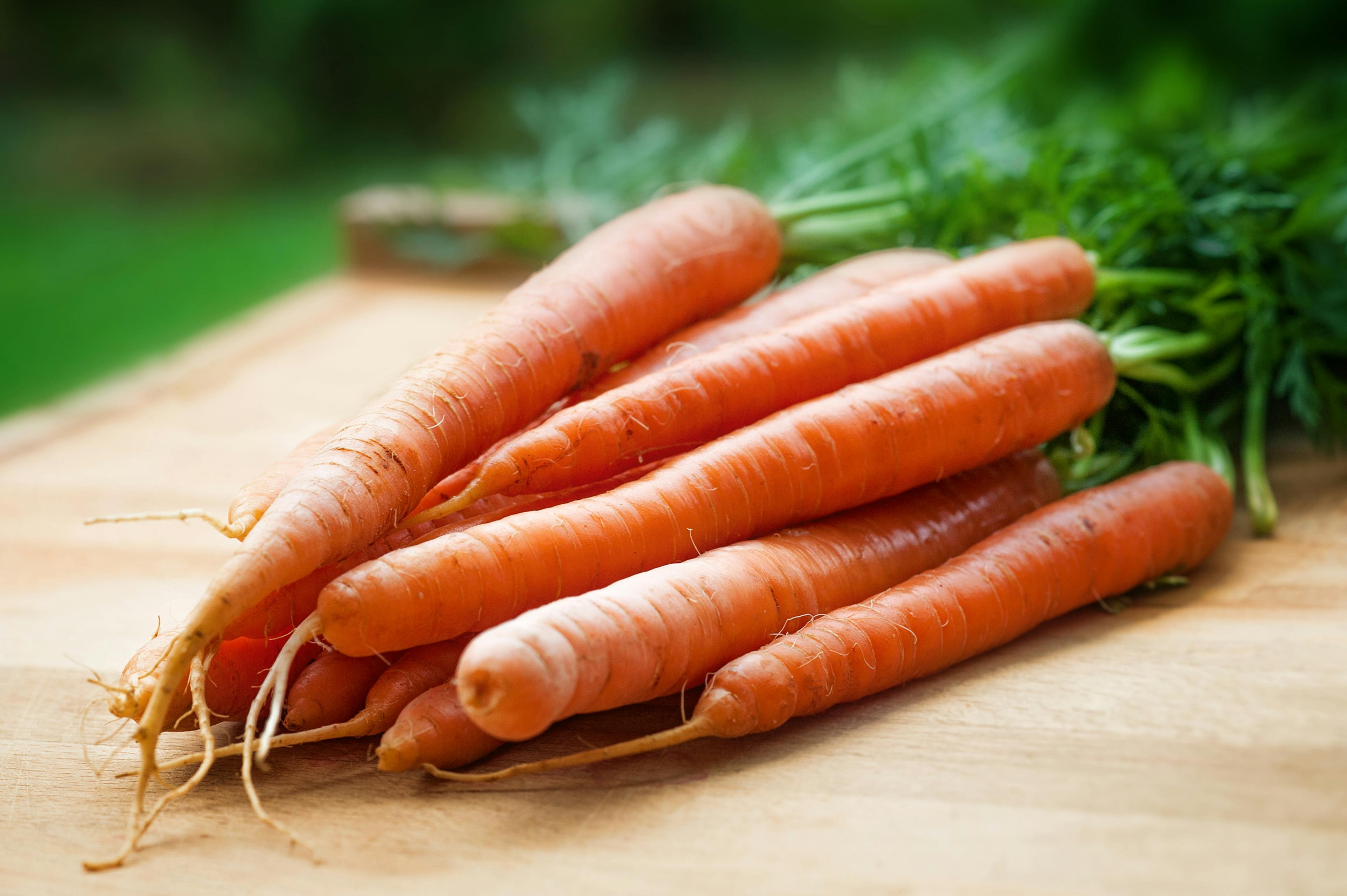
Very high in beta-carotene (important for eye health)
Very high in beta-carotene (vitamin A precursor)
Good antioxidant protection
Key nutrients: Vitamin A (beta-carotene), fiber, potassium
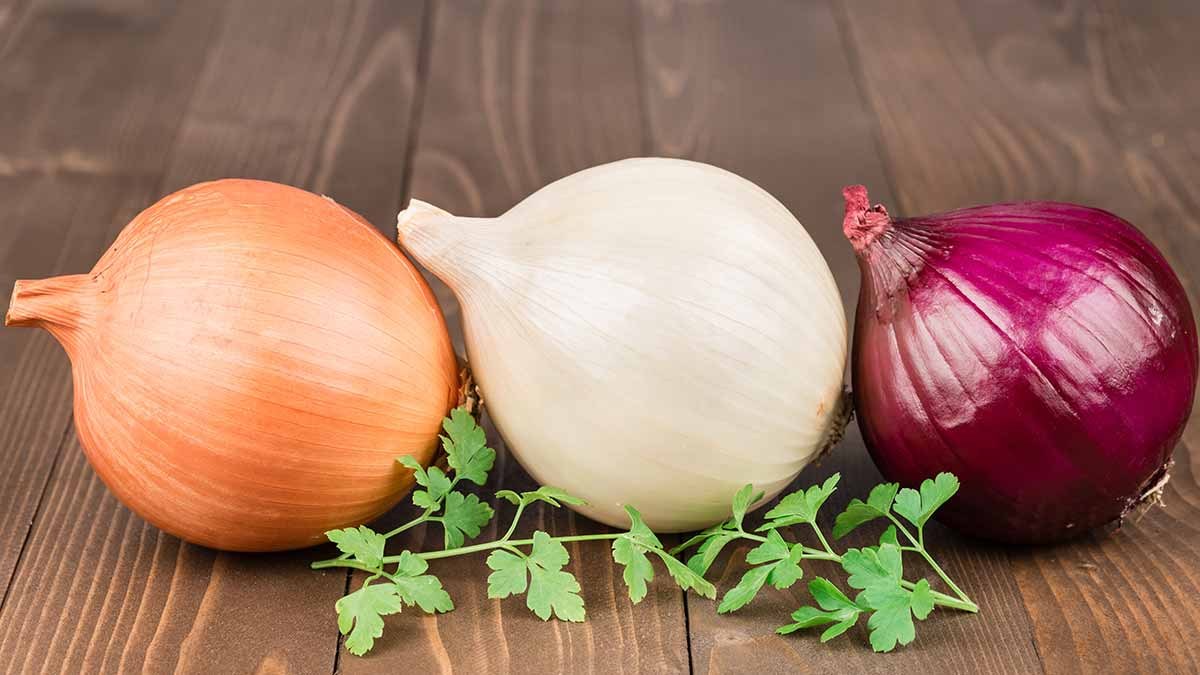
4. Garlic
Bold flavor builder for savory dishes
Contains sulfur compounds and manganese
Adds depth to soups, sauces, and roasts
Key nutrients: Allicin, manganese, vitamin B6
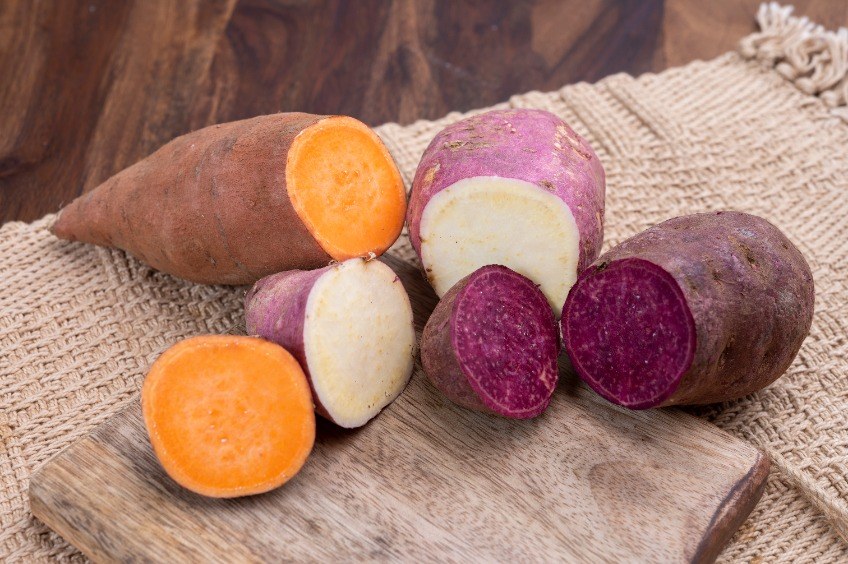
5. Sweet Potato
Highly nutritious and filling
High in beta-carotene and fiber
Rich in antioxidants and vitamins
Key nutrients: Vitamin A, vitamin C, potassium, fiber
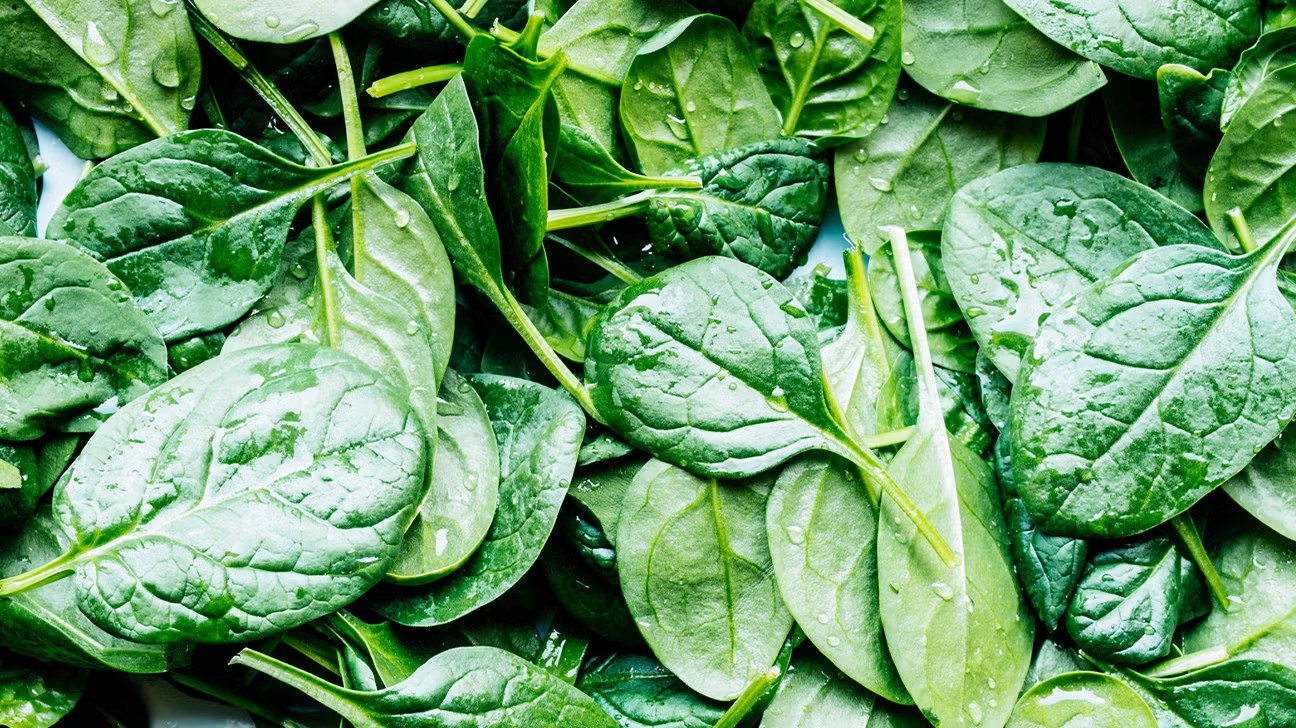
Daily vegetable combination: Leafy greens (spinach) • Cruciferous vegetables (broccoli) • Root vegetables (carrots or sweet potatoes) • Flavour vegetables (garlic). Eating a wide variety of vegetables in different colours adds flavor, texture, and fiber to your meals.
Bake or steam with skin on when possible; add herbs, olive oil, and pepper instead of heavy sugary toppings.
Turmeric
Spice
Active compounds: Curcumin and related curcuminoids
Health Benefits
Golden spice with curcumin and warm flavor.
Provides antioxidant support for cells and tissues.
Best paired with black pepper and a little fat.
Best Preparation
Bloom gently in warm olive oil for 20-30 seconds, then combine with black pepper and a small amount of healthy fat for improved absorption.
Walnuts
Nut
Key nutrients: Omega-3 ALA, polyphenols, magnesium
Health Benefits
One of the richest plant sources of omega-3 ALA.
Adds nutty flavor and healthy fats when ground.
Helps improve meal satiety and nutrient density.
Best Preparation
Use raw or lightly toasted; store in a cool place to protect delicate fats from oxidation.
Note: This library shares culinary and nutrition information for general interest. Individual needs vary—consult a qualified professional for personalized advice.
Chop all the vegetables and fruit however you wish but we prefer small centimetre pieces, then add the salt and pepper and mix in until evenly distributed. Next add the mayonnaise and Manuka honey after which you can mix it up or leave these flavours to sit on the top layer of the salad.
Eat salad either by itself or as a side dish with other recipes.
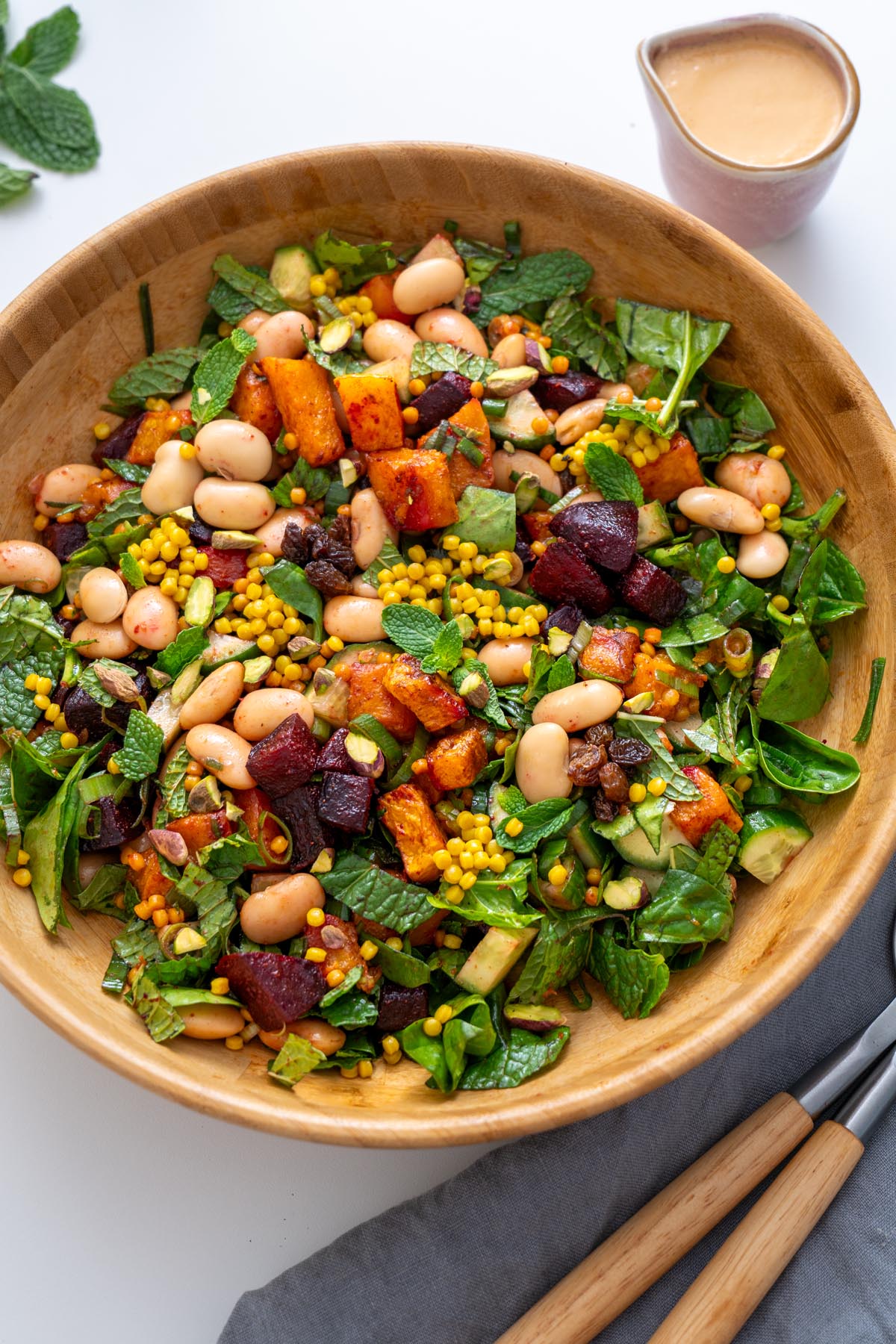
Salad 2 — Cous Cous
Ingredients
Cous Cous
Raisins
Salt
Black Pepper
Mixed Herbs
Apple
Kidney Beans
Onion
Carrot
Pepper (red, green or yellow)
Garlic
Turmeric
Preparation
Chop all the vegetables and fruit however you wish but we prefer small centimetre pieces and make sure the garlic is cut into tiny pieces, then add the salt, pepper, mixed herbs, turmeric and mix in until all ingredients are evenly distributed.
Eat salad either by itself or as a side dish with other recipes.
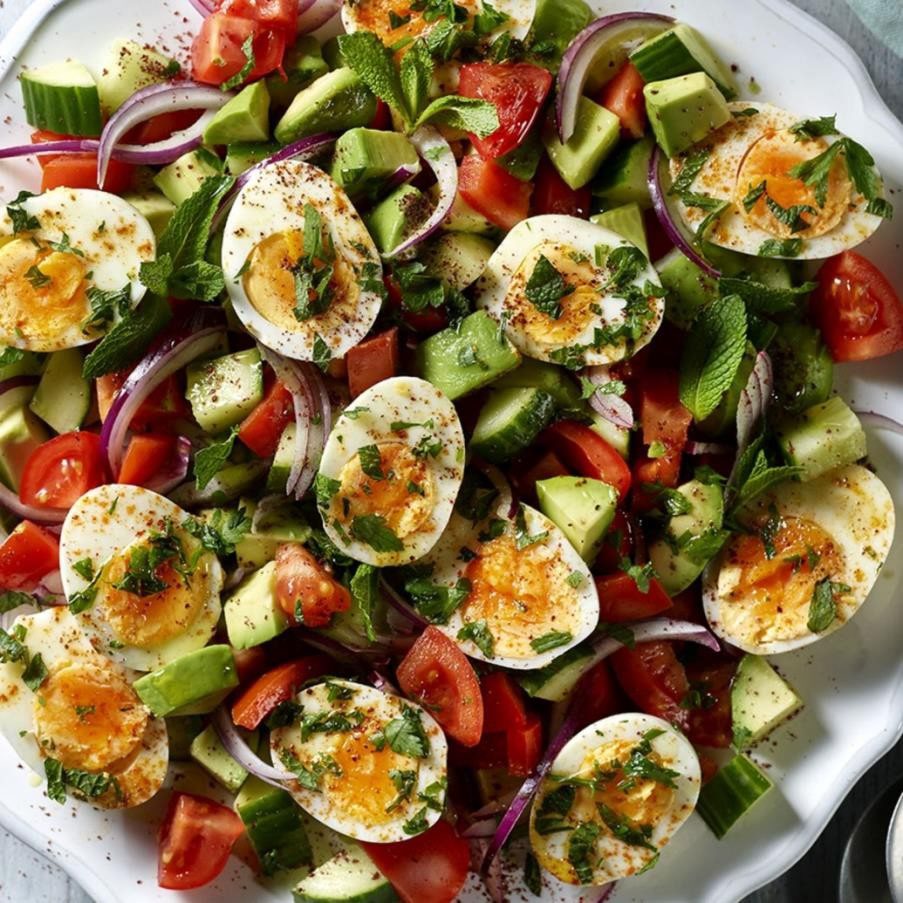
Salad 3 — Egg Salad
Ingredients
Eggs
Lettuce
Tomato
Cabbage
Pineapple
Onion
Cucumber
Manuka honey
Salt
Black Pepper
Mayonnaise
Sweetcorn
Preparation
Chop all the vegetables and fruit however you wish but we prefer small centimetre pieces, then add the salt and pepper and mix in until evenly distributed. Next add the mayonnaise and Manuka honey after which you can mix it up or leave these flavours to sit on the top layer of the salad.
Eat salad either by itself or as a side dish with other recipes.
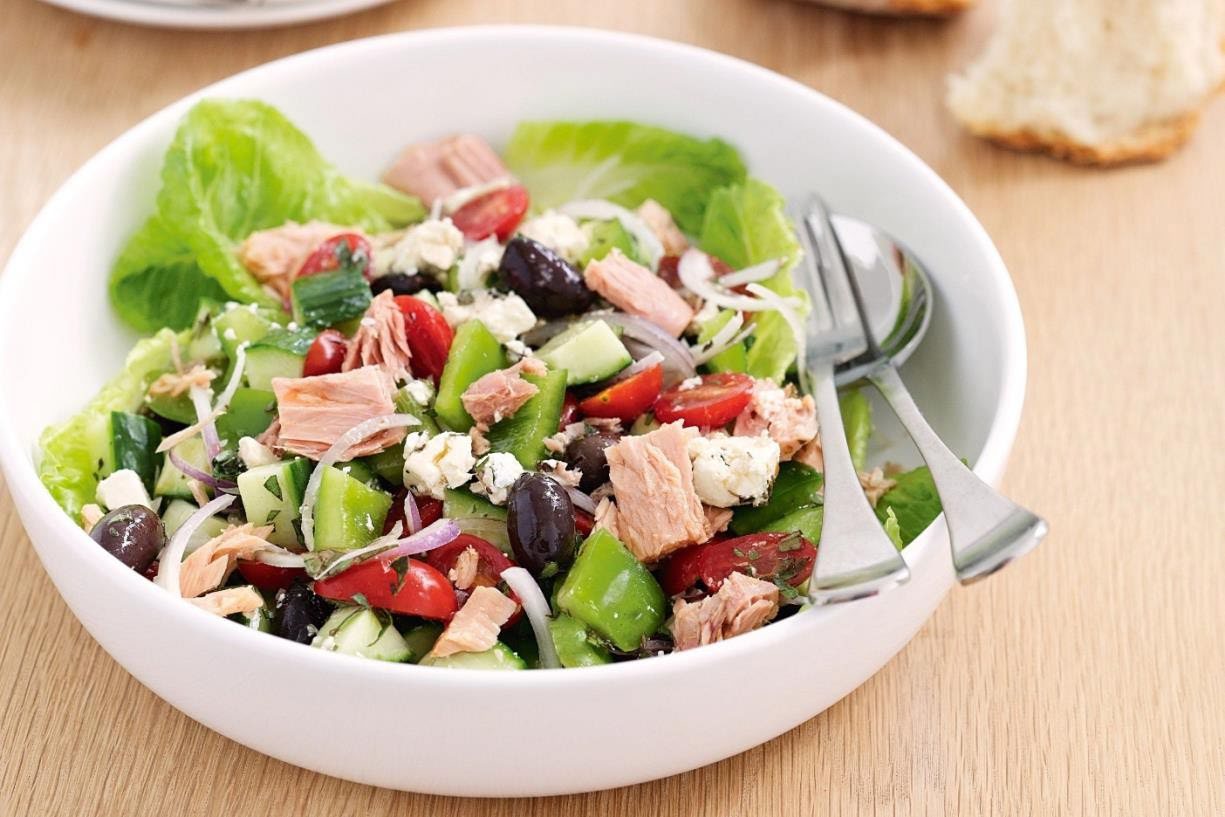
Salad 4 — Tuna Salad
Ingredients
Tuna
Lettuce
Tomato
Cabbage
Pineapple
Onion
Cucumber
Manuka honey
Salt
Black Pepper
Mayonnaise
Sweetcorn
Preparation
Chop all the vegetables and fruit however you wish but we prefer small centimetre pieces, then add the salt and pepper and mix in until evenly distributed. Next add the mayonnaise and Manuka honey after which you can mix it up or leave these flavours to sit on the top layer of the salad.
Eat salad either by itself or as a side dish with other recipes.
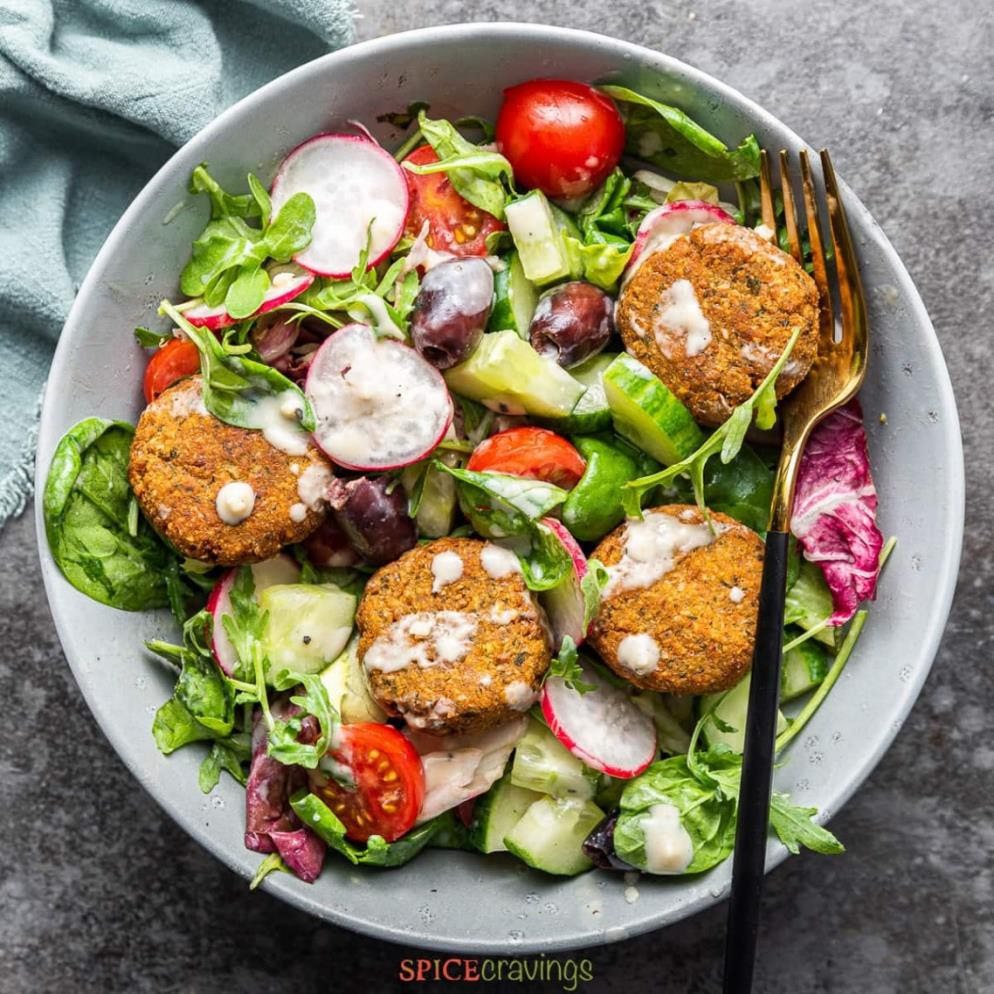
Salad 5 — Falafel Salad
Ingredients
Falafel
Lettuce
Tomato
Cabbage
Pineapple
Onion
Cucumber
Manuka honey
Salt
Black Pepper
Mayonnaise
Sweetcorn
Preparation
Chop all the vegetables and fruit however you wish but we prefer small centimetre pieces, then add the salt and pepper and mix in until evenly distributed. Next add the mayonnaise and Manuka honey after which you can mix it up or leave these flavours to sit on the top layer of the salad.
Eat salad either by itself or as a side dish with other recipes.
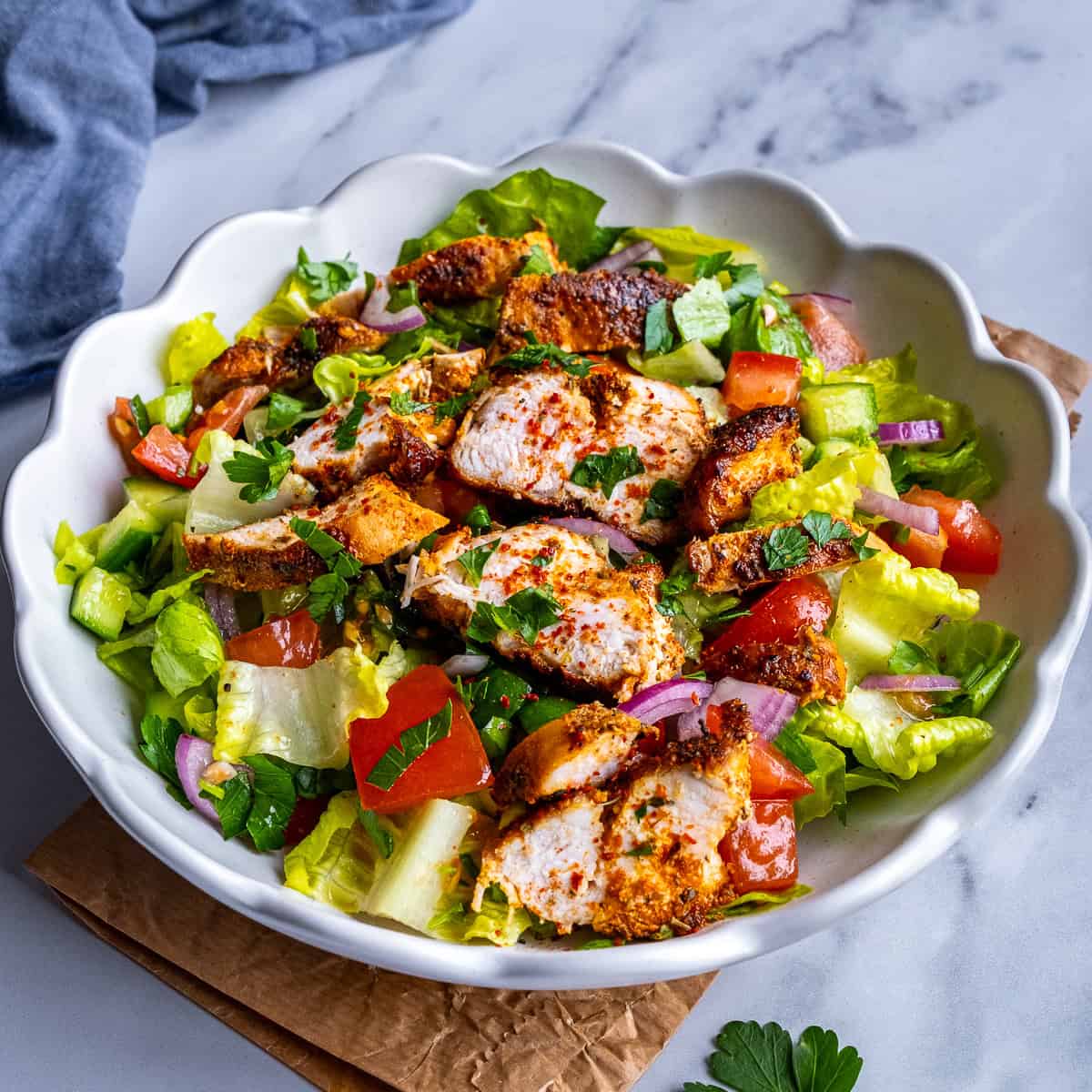
Salad 6 — Chicken Salad
Ingredients
Chicken
Lettuce
Tomato
Cabbage
Pineapple
Onion
Cucumber
Manuka honey
Salt
Black Pepper
Mayonnaise
Sweetcorn
Preparation
Chop all the vegetables and fruit however you wish but we prefer small centimetre pieces, then add the salt and pepper and mix in until evenly distributed. Next add the mayonnaise and Manuka honey after which you can mix it up or leave these flavours to sit on the top layer of the salad. Add cooked, shredded or diced chicken.
Eat salad either by itself or as a side dish with other recipes.
Chop all the vegetables into thin, long pieces and mix together, then add a touch of salt and pepper and mix in until evenly distributed. Next add the mayonnaise and a slight bit of Manuka honey (if you want it sweet) and give it a final mix.
Serve as a side for another dish.
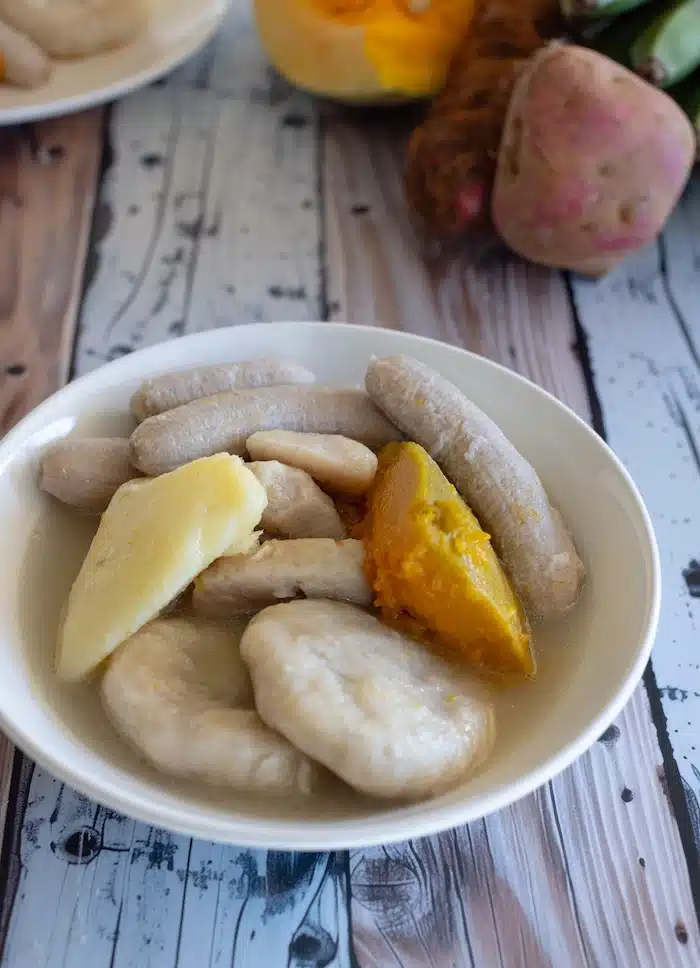
Side 2 — Hard Food
Ingredients
Yam
Sweet Potato
White Potato
Green Banana
Plantain
Plain Flour
Preparation
Fill a large pot with boiling water and keep it boiling. Add the green banana, yam, and both varieties of potato to the pot of boiling water and leave for about 25 minutes. Add some plain flour to a mixing bowl with some water and knead into several dumplings, add to the pot for the last 5 minutes.
Serve with spiced/seasoned meat or curries and enjoy as a side with other dishes.
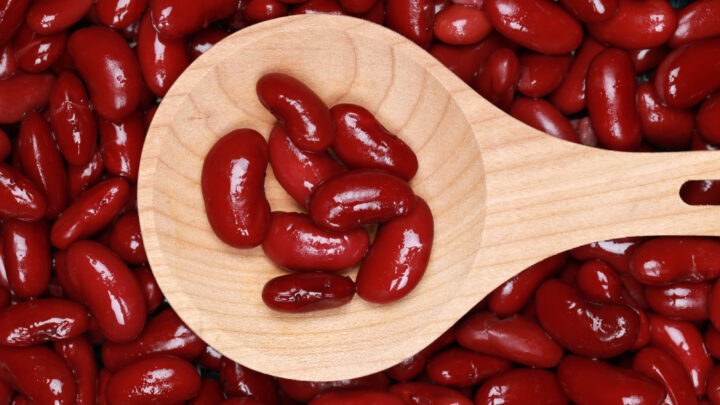
Side 3 — Rice and Peas (Kidney Beans)
Ingredients
Rice
Kidney Beans
Onion
Garlic
Salt
Black Pepper
Thyme / Mixed Herbs
Coconut Cream
Olive Oil / Butter
Preparation
Wash your chosen choice of rice and place into a pot with just enough water to cover 1 centimetre above the surface of the rice. Sprinkle a little olive oil or a knob of butter into the water, add the thyme/mixed herbs, salt, pepper, small pieces of chopped garlic, chopped onions and some coconut cream and bring to the boil. Once boiling, simmer and stir intermittently for 30–40 minutes until water has evaporated and rice grains have expanded significantly.
Serve as a side for another dish.
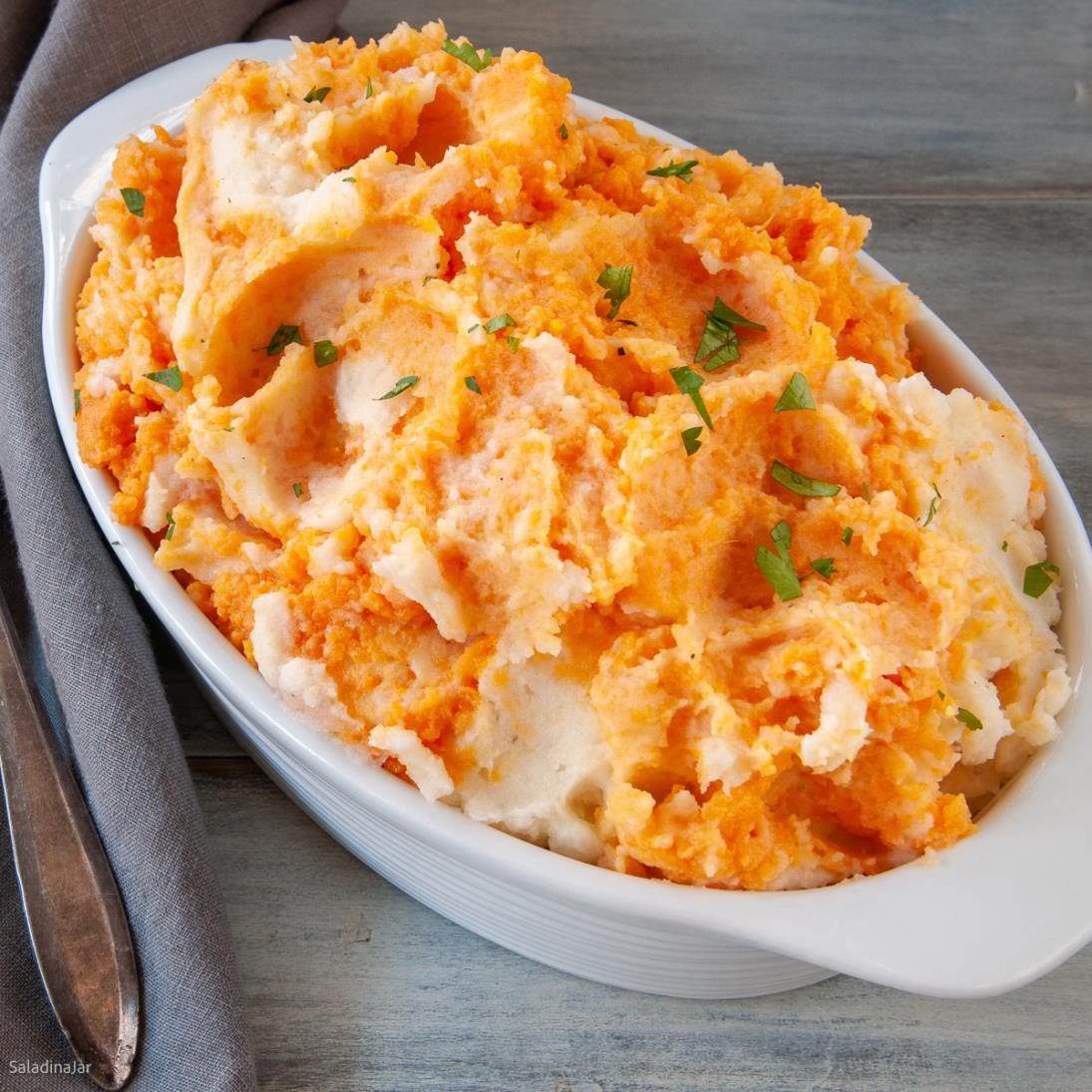
Side 4 — Mixed Mash
Ingredients
Sweet Potato
White Potato
Oat Milk
Salt
Black Pepper
Thyme / Mixed Herbs
Preparation
Peel and chop both white and sweet potato into smallish pieces, add to a pot of boiling water and leave for around 25–30 minutes. Poke with a fork to make sure the pieces are soft throughout, then empty the water, place into a separate container with a small amount of oat milk and mash with a fork or masher until nice, light and fluffy. Add salt, pepper and thyme/mixed herbs to taste.
Serve as a side for another dish.
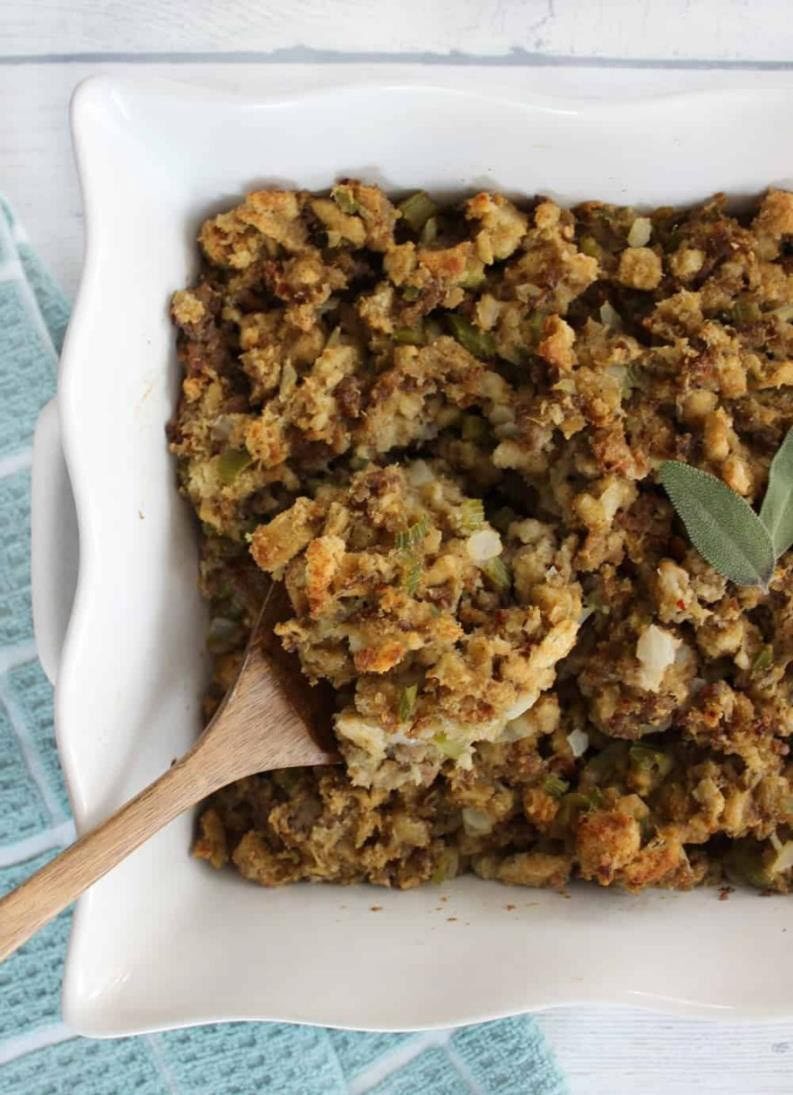
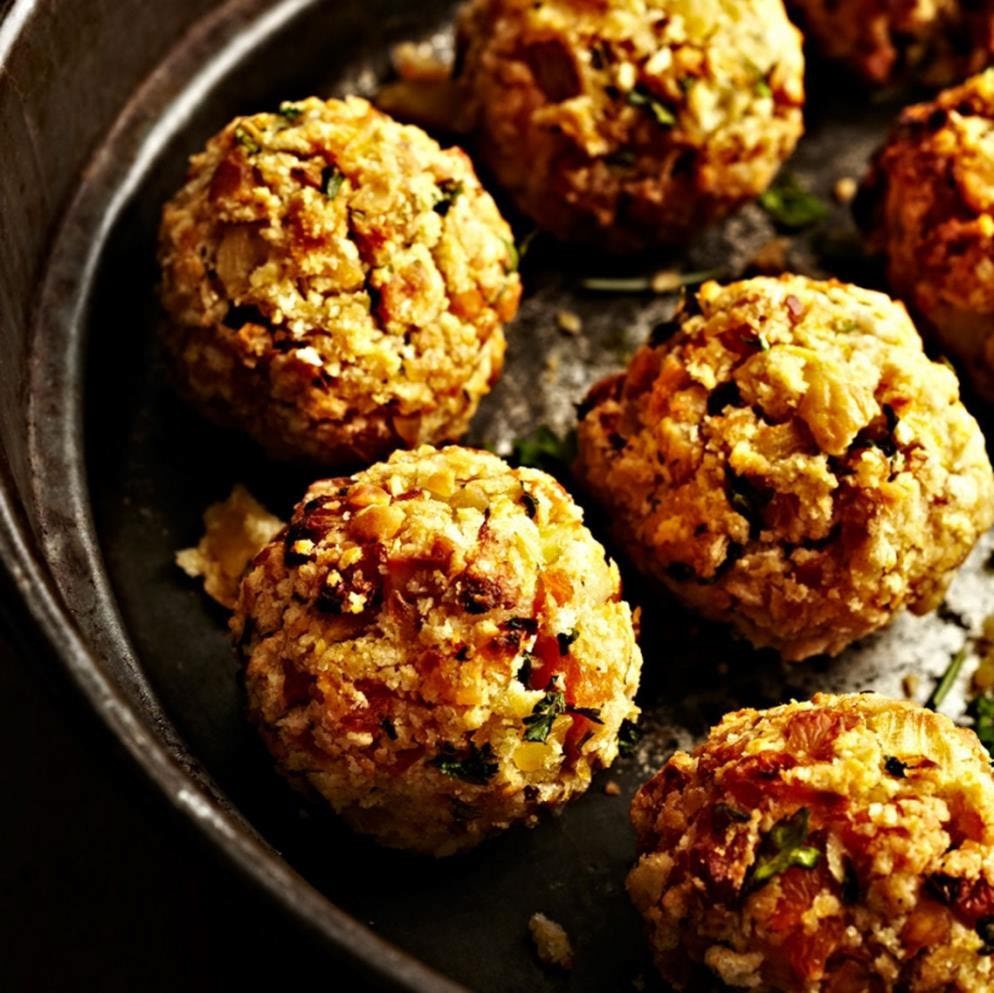
Side 5 — Caribbean Stuffing
Ingredients
Stuffing Mix
High Quality Bread
Onion
Garlic
Salt
Black Pepper
Thyme / Mixed Herbs
Turmeric
Olive Oil / Butter
Sweet Pepper
Curry Powder
All Purpose Seasoning
Preparation
Grate the bread into average sized crumbs and mix with a third of the stuffing mix. Chop the onion and garlic and add both, including the thyme/mixed herbs, salt, pepper, olive oil/butter, turmeric and sweet peppers into the mix for full flavour and lightly fry for 5 minutes. Then take this browned concoction and add the remaining stuffing mix and a bit of water until “sticky” or “doughy”, and then wrap in tin foil and place into the oven for approximately 1 hour.
Serve as a side for another dish.
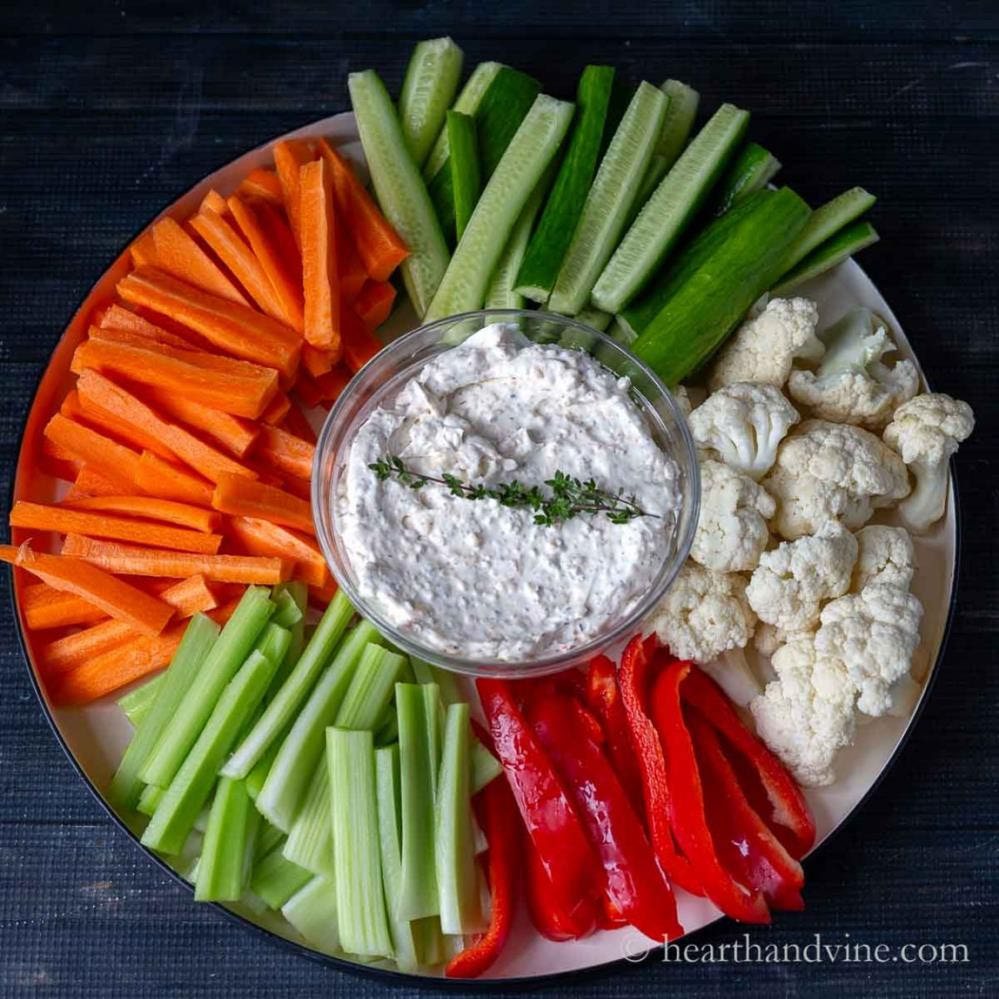
Side 6 — Vegetable Dip
Ingredients
Carrot
Cucumber
Spring Onion
Sweet Pepper
Oat Milk
Salt
Black Pepper
Thyme
Preparation
Peel and chop the vegetables into smallish pieces, add to a pot of boiling water and leave for around 25–30 minutes. Poke with a fork to make sure the pieces are soft throughout, then empty the water, place into a separate container with a small amount of oat milk and mash with a fork or masher until nice, light and fluffy. Add salt, pepper and thyme/mixed herbs to taste.
Serve as a side for another dish.
Side 7 — Stuffing Eggs
Ingredients
Eggs
Stuffing Mix
High Quality White Bread
Onion
Garlic
Salt
Black Pepper
Thyme / Mixed Herbs
Turmeric
Olive Oil / Butter
Sweet Pepper
Preparation
Grate the bread into average sized crumbs and mix with a third of the stuffing mix. Chop the onion and garlic and add both, including the thyme/mixed herbs, salt, pepper, olive oil/butter, turmeric and sweet peppers into the mix for full flavour and lightly fry for 5 minutes. Then take this browned concoction and add the remaining stuffing mix and a bit of water until “sticky” or “doughy”, and then wrap in tin foil and place into the oven for approximately 1 hour.
Serve as a side for another dish.
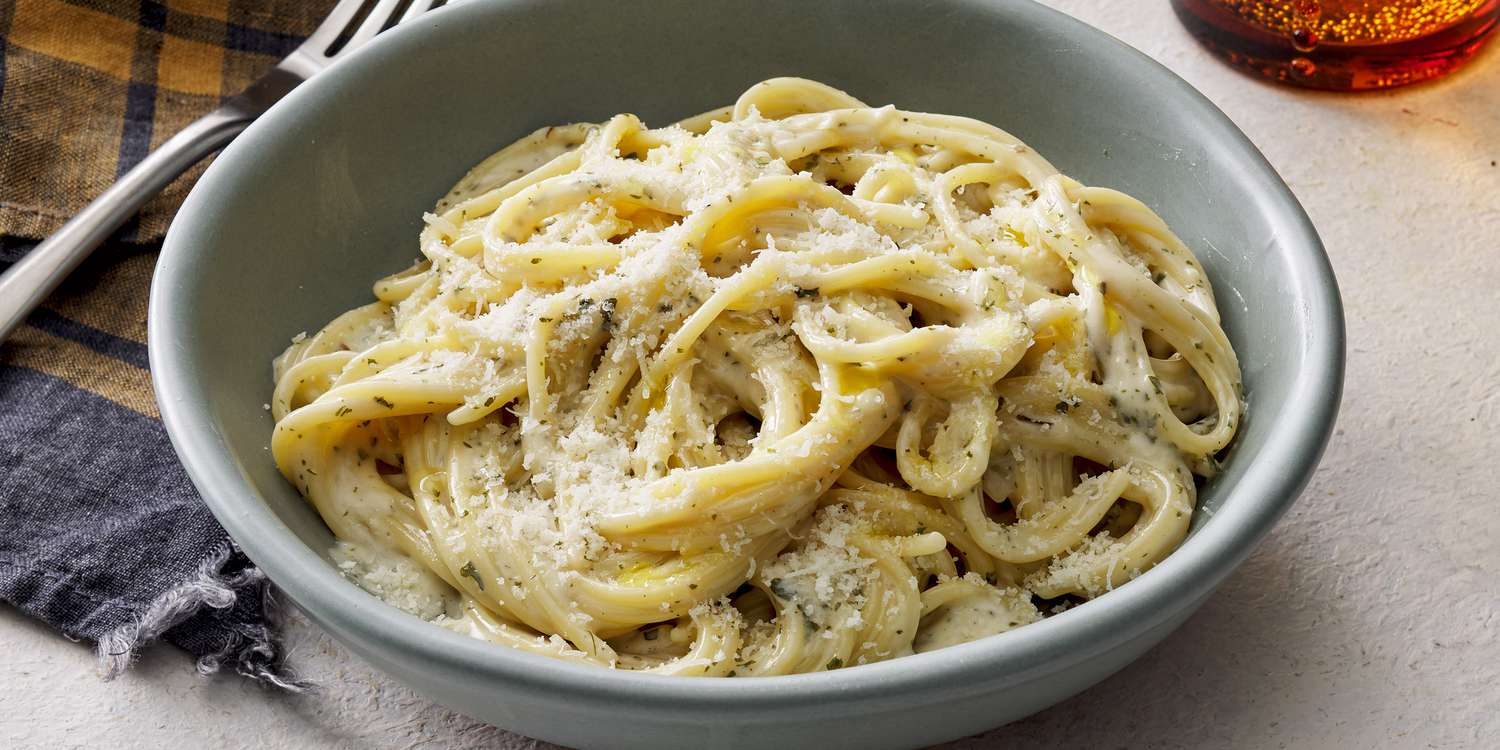
Side 8 — Pasta
Ingredients
Pasta (your choice)
Olive Oil
Salt
Black Pepper
Mixed Herbs
Parmesan Cheese
Preparation
Boil pasta in salted water according to packet instructions until al dente. Drain and toss with olive oil, salt, pepper and mixed herbs. Serve as a side with curries, sauces or mains.
Serve as a side for another dish.
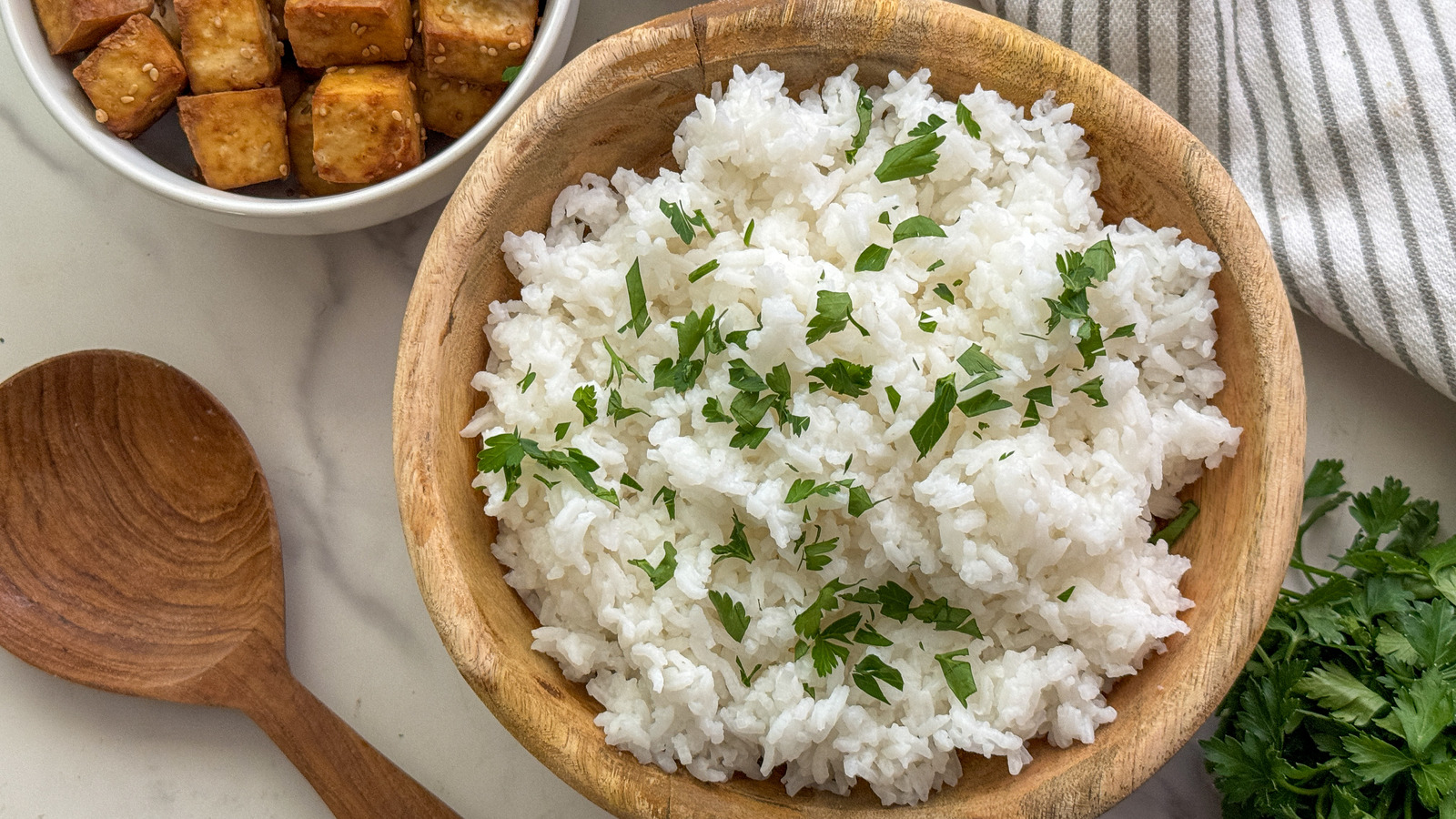
Side 9 — Rice
Ingredients
Rice
Olive Oil / Butter
Salt
Black Pepper
Thyme / Mixed Herbs
Preparation
Wash rice and place into a pot with enough water to cover 1 centimetre above the surface. Add a little olive oil or butter, thyme, salt and pepper. Bring to the boil, then simmer for 30–40 minutes until water has evaporated and rice is fluffy.
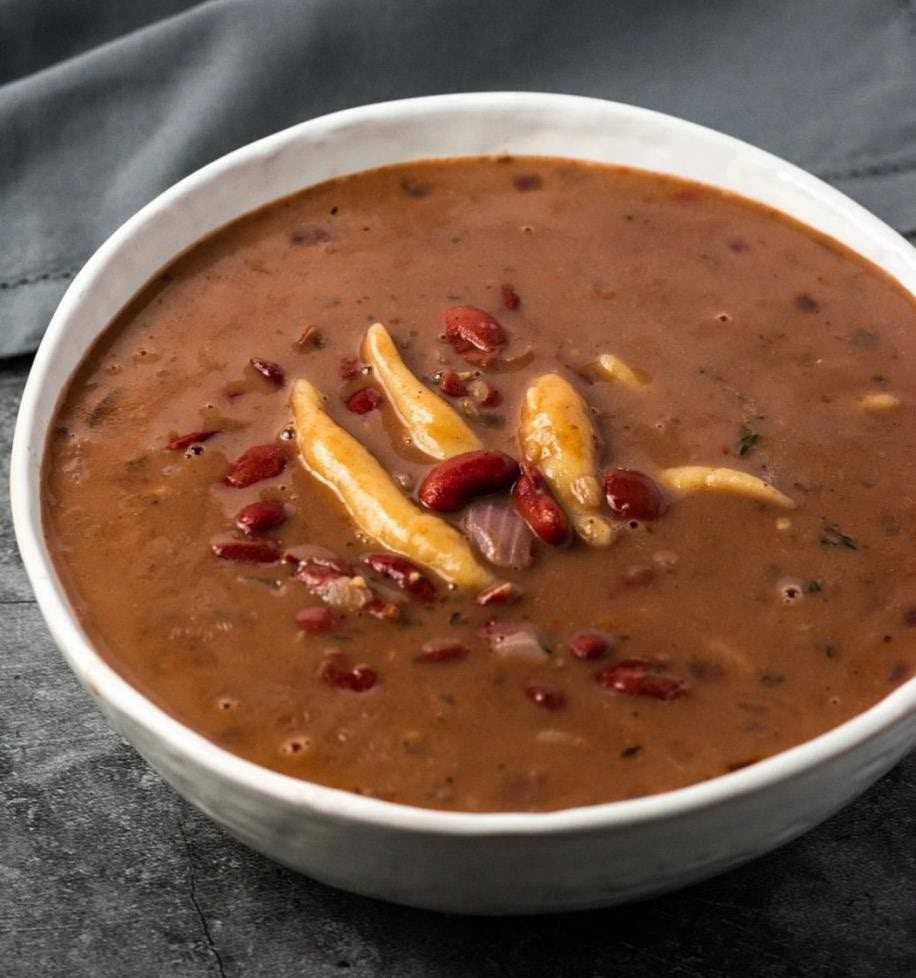
Chop all the vegetables and put them all into a suitable pot along with some olive oil apart from the carrots and potatoes, add all of the seasonings and slowly fry/brown the mix for about 5–10 minutes. Add the kidney beans (including juice if from a can/tin) and cook for a further 5–10 minutes. Then add the coconut cream and cook further for another 10–15 minutes. Next add the carrots and potatoes and add 500ml of water, mix everything for a minute and then taste to make sure your final mixture is to your standards (if not, add more of the various seasonings until correct), then leave for at least 40 minutes which is when the ingredients should have broken down.
Finally, add dumplings if required (for dumplings mix plain flour and water into a thick dough and break it up into small balls, flat discs, finger rolls or a combination of them all), leave for another 5 minutes and then serve once cool enough to eat.
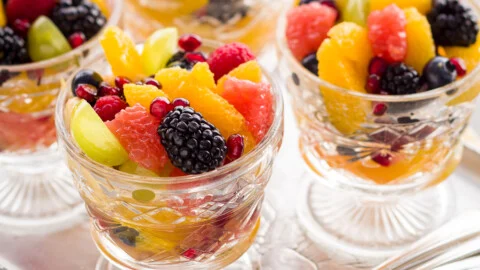
Chop up all the fruits and serve them with natural/organic yogurt.
Breakfast 2 — Beans, Fried Dumplings and Plantain
Ingredients
Green Pepper
Onion
Baked Beans
Very ripe Plantain
Self-raising Flour
Salt
Black Pepper
Two Eggs (preferably scrambled)
Olive Oil
Preparation
Chop up the onion and green pepper, then mix the self-raising flour with water enough to create a light dough and mix the green pepper into the dough and deep fry on low heat or air fry them until golden. Peel the plantain and slice into flat pieces and also lightly fry until over golden. Heat a side of baked beans and prepare some scrambled eggs.
Breakfast 3 — Fruit Porridge Oats
Ingredients
Granola / Porridge Oats
Soft Raisins
Sultanas
Manuka honey
Yogurt
Oat Milk
Add different dried fruits to your particular preference
Preparation
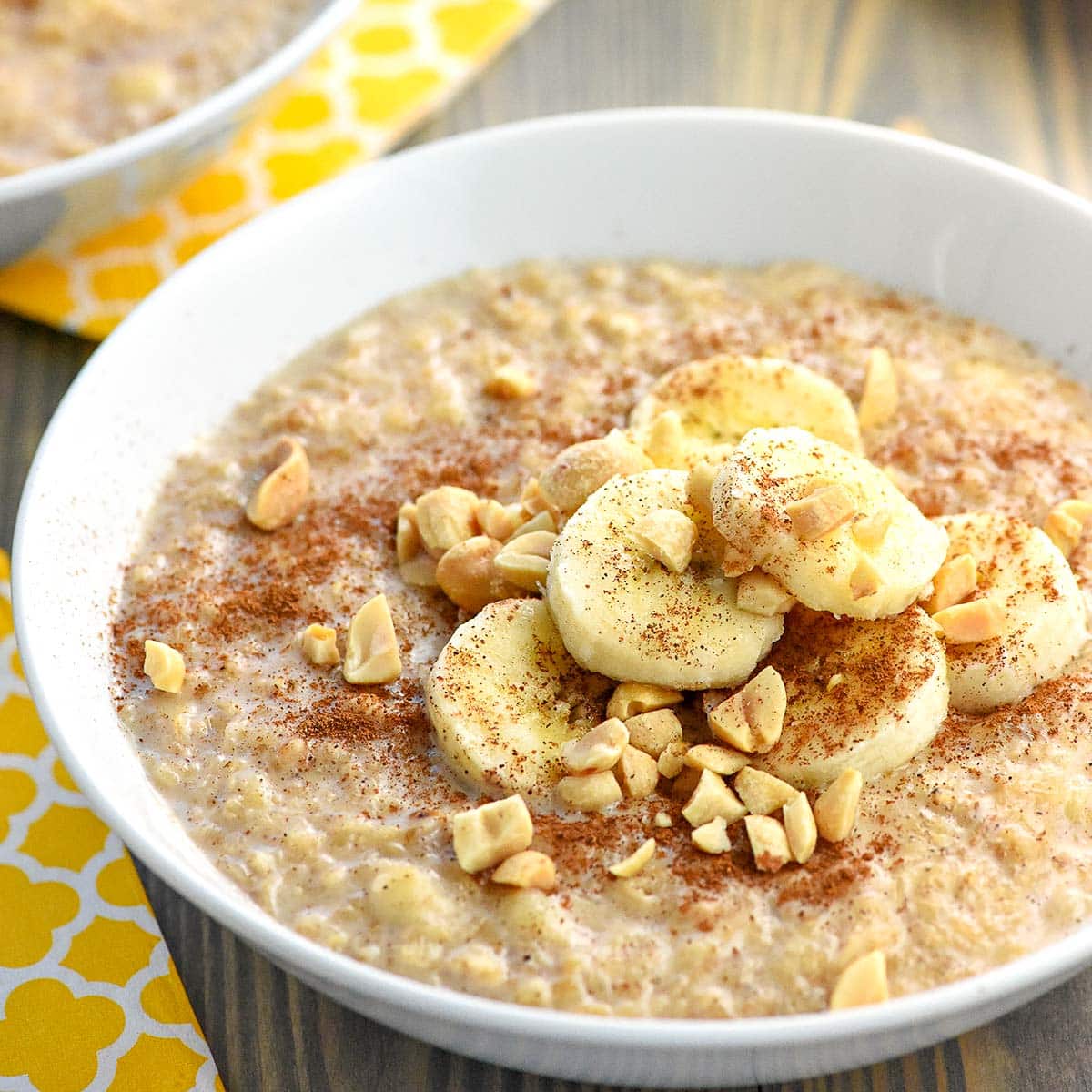
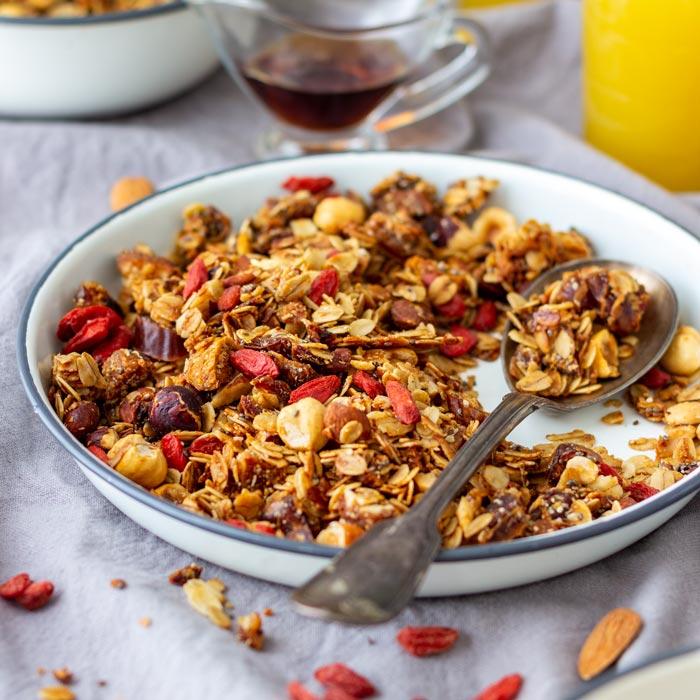
Add various dried fruit to either granola or porridge oats and mix. Then add a teaspoon or two of Manuka honey if you need the sweetness.
Breakfast 4 — Cornmeal Porridge
Ingredients
Cornmeal Porridge Mix
Oat Milk
Cinnamon
Manuka honey
Preparation
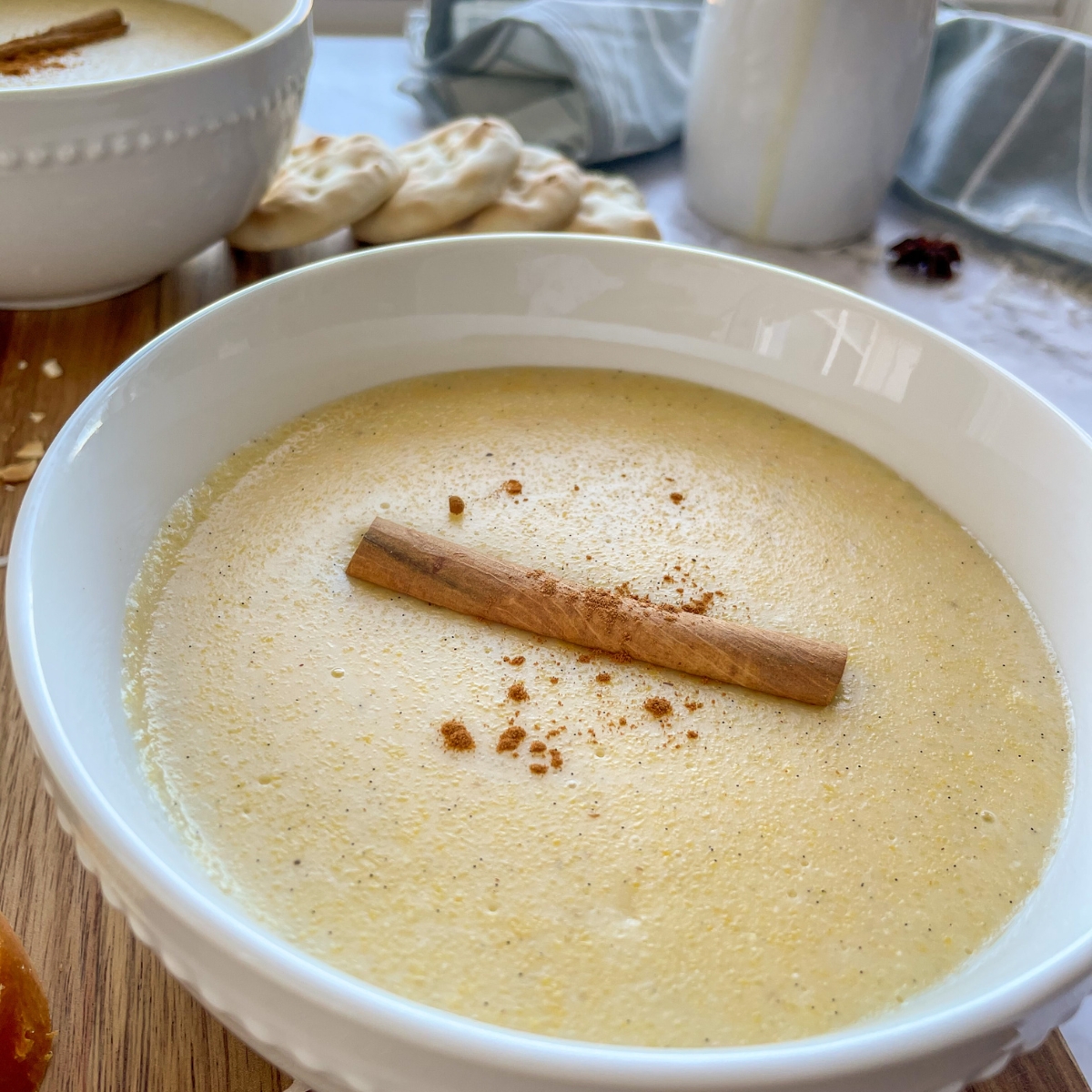
Add oat milk to cornmeal porridge mix and use cinnamon for flavour if preferred.
Breakfast 5 — Pancakes
Ingredients
Plain Flour
Water
Oat Milk
Olive Oil
Lemon / Lime / Orange
Manuka honey
Preparation
Mix plain flour and oat milk or water in a bowl and whisk until you have a semi-thin liquid, then add to an already heated saucepan with olive oil. Flip them over when semi golden and then serve with natural fruit juices.
Breakfast 6 — Dried Fruit Granola
Ingredients
Granola / Porridge Oats
Raisins
Sultanas
Mixed Dried Fruit
Manuka honey
Natural/organic Yogurt
Oat Milk
Preparation
Combine granola or oats with your choice of dried fruit (raisins, sultanas, mixed dried fruit). Add oat milk or yogurt and drizzle with Manuka honey. Serve with fresh fruit if desired.
Grate or finely chop the vegetables and mix with breadcrumbs, beaten egg, garlic and seasonings. Shape into patties and fry in olive oil until golden on both sides. Serve in burger buns with lettuce and tomato.
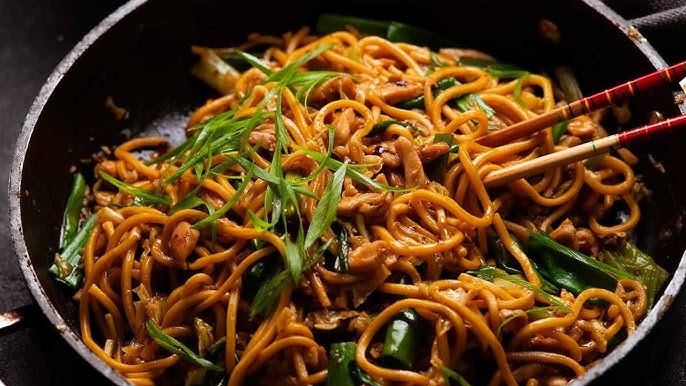
Heat oil in a wok or large pan. Add garlic and ginger, then stir-fry the vegetables over high heat until tender but still crisp. Add egg noodles (cook dried noodles per packet first, or toss in fresh noodles to heat through) and combine. Add soy sauce and rice vinegar, season with salt and pepper. Garnish with spring onion and serve hot, with rice on the side if you like.
Optional: serve with rice on the side.
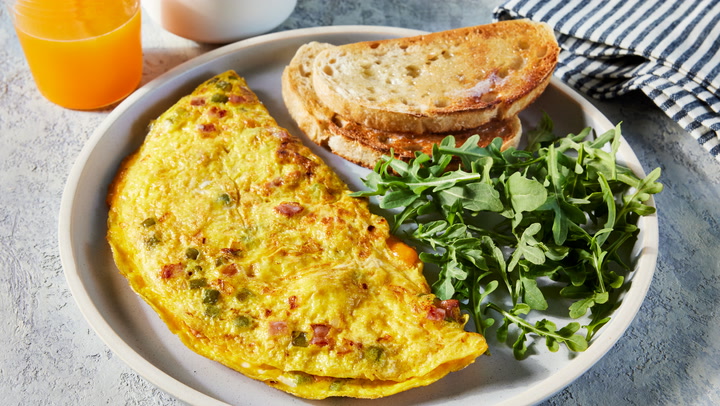
Main 5 — Omelette with Peppers and Onions
Ingredients
Eggs
Green / Red Pepper
Onion
Oat Milk
Olive Oil
Salt
Pepper
Mixed Herbs
Preparation
Chop the peppers and onion. Whisk eggs with a splash of oat milk, season with salt, pepper and herbs. Heat oil in a pan, lightly fry the peppers and onions, then pour in the egg mixture. Cook until set, fold and serve.
Serve with salad or toast.
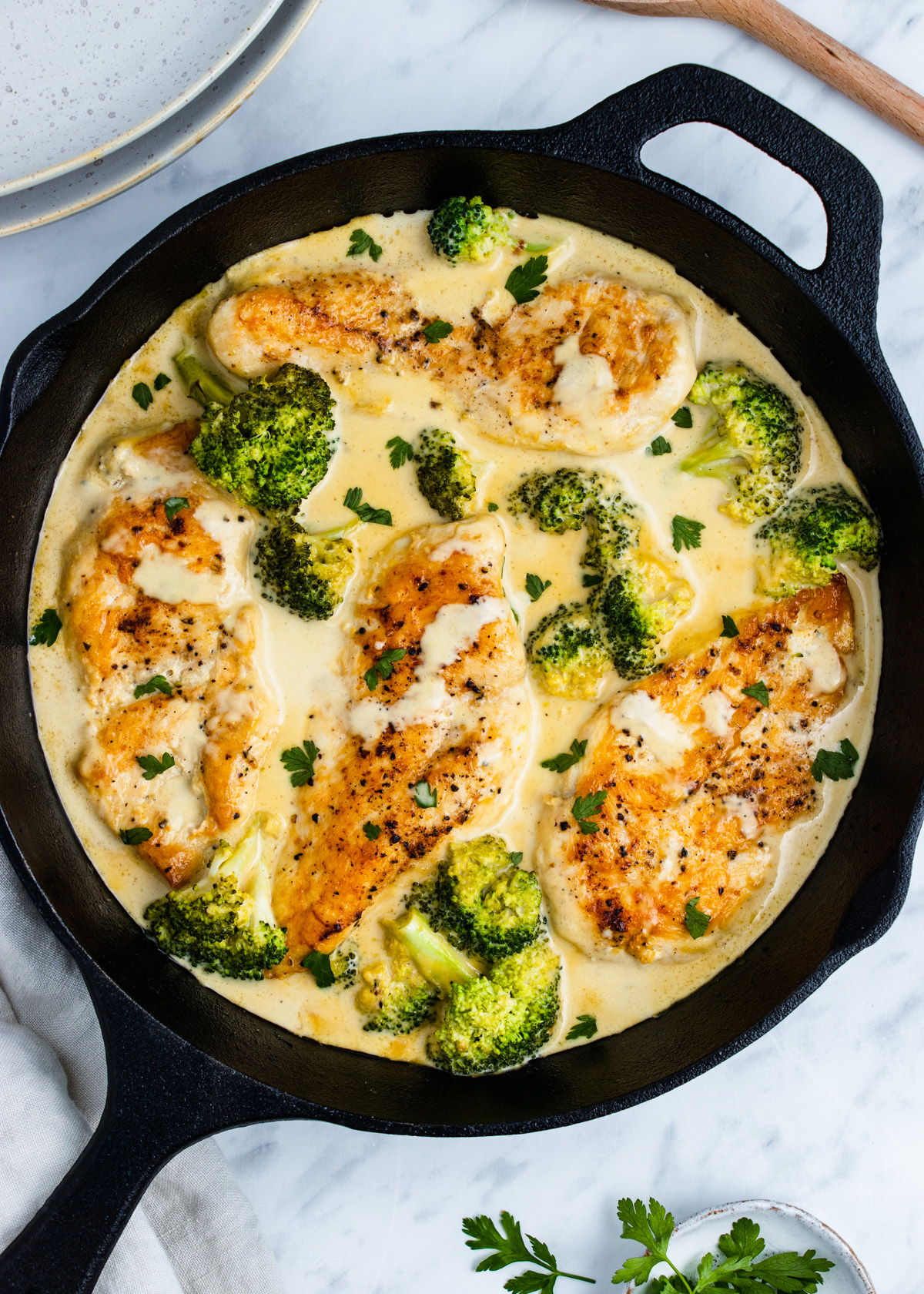
Main 6 — Corsican Chicken
Ingredients
Chicken (thighs or breast)
Sun-Dried Tomato Pesto
Onion
Garlic
Rosemary
Thyme
Olive Oil
Salt
Pepper
Preparation
Season the chicken with salt, pepper, rosemary and thyme. Heat olive oil in a pan and brown the chicken on both sides. Add chopped onion and garlic and cook briefly. Then add spoonfuls of sun-dried tomato pesto on top of the chicken sauce mixture. Simmer for 25–30 minutes until the chicken is cooked through and the sauce has thickened a little. Serve with mashed potato, rice, pasta or salad.
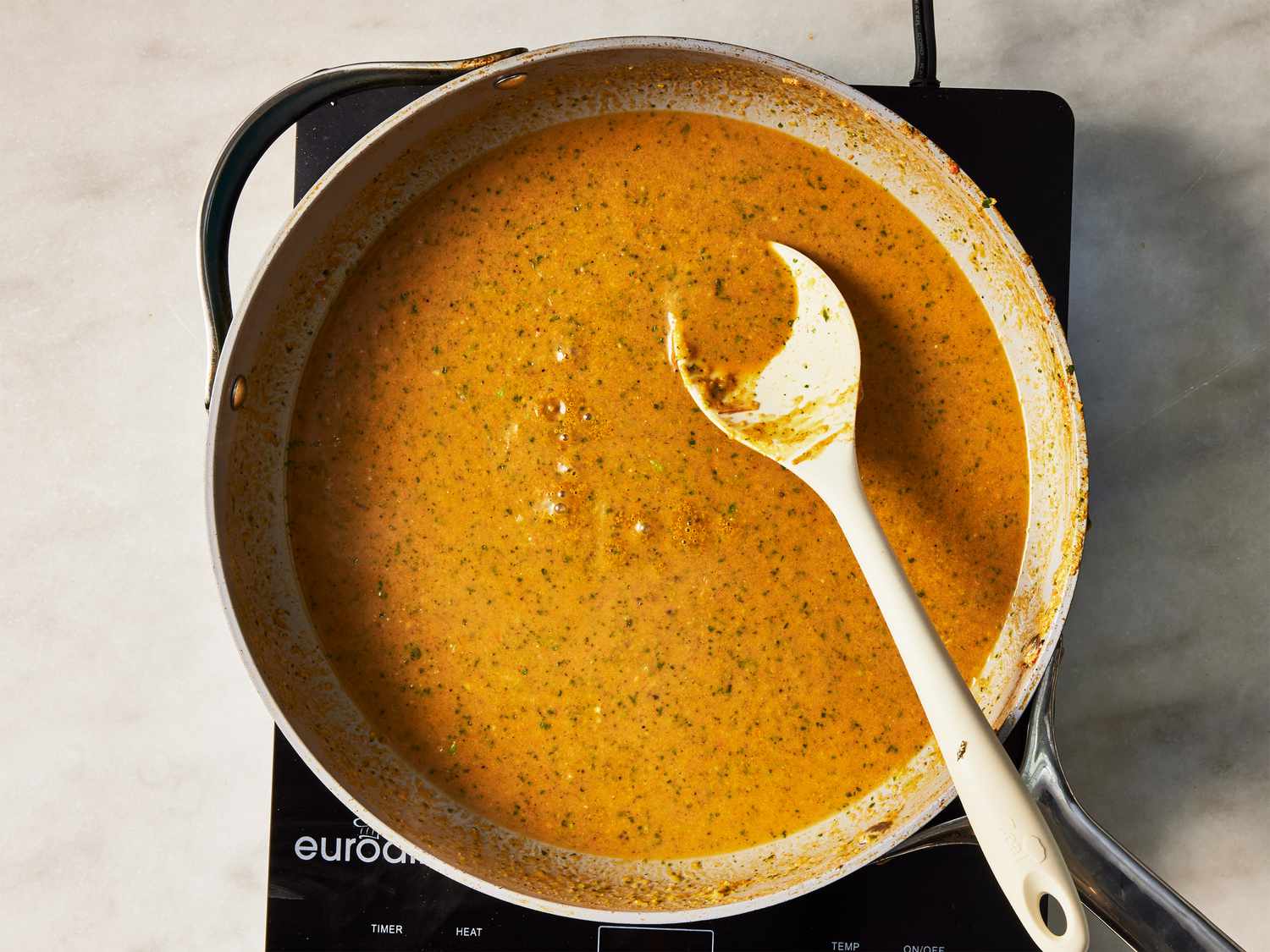
Chop up all of the vegetables and add the herbs and spices accordingly with some olive oil or water and lightly fry. After frying for 5 minutes add the tomato and then stir for another 5 minutes before leaving it to simmer on low heat for a further 10–20 minutes. Once done, you can either add to a main dish or let it cool down and use it as a dip.
Sauce 2 — Mint Yoghurt Sauce
Ingredients
Natural Yoghurt
Fresh Mint
Lemon Juice
Garlic (optional)
Salt
Black Pepper
Preparation
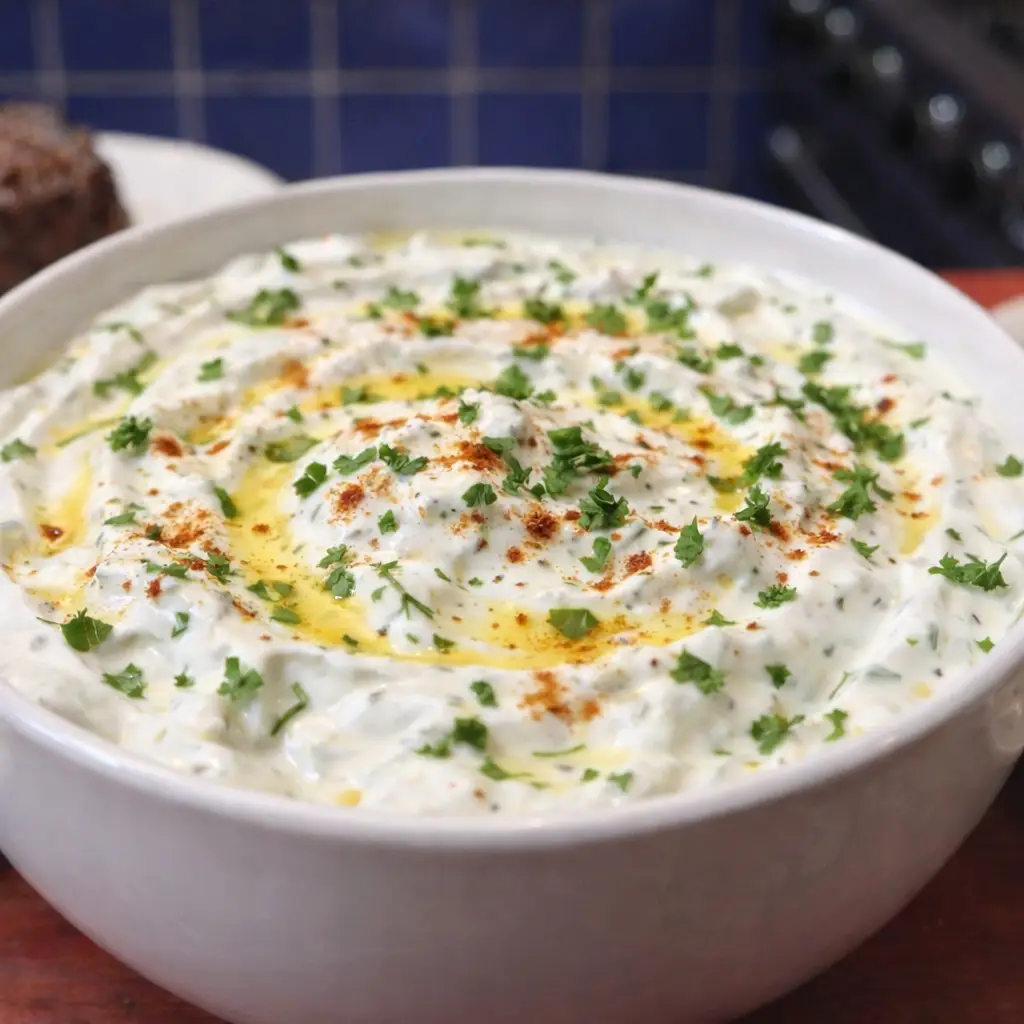
Chop fresh mint and mix with natural yoghurt. Add lemon juice, minced garlic if desired, salt and pepper. Stir until smooth. Serve as a dip or drizzle over salads, grilled meats or falafel.
Serve as a dip or drizzle over salads, grilled meats or falafel.
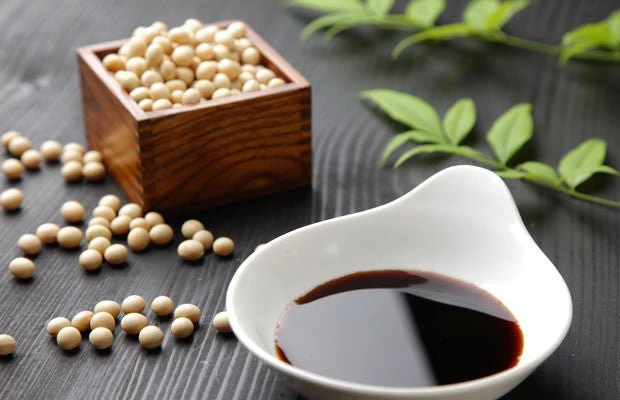
Sauce 3 — Soy Sauce
Ingredients
Soy Sauce
Garlic
Ginger
Sesame Oil
Rice Vinegar
Manuka honey
Spring Onion
Chilli Flakes (optional)
Preparation
Combine soy sauce with minced garlic and grated ginger. Add a splash of rice vinegar, sesame oil and Manuka honey. Stir until dissolved. Garnish with chopped spring onion and chilli flakes if desired. Use as a dipping sauce or drizzle over rice, noodles, stir-fries or grilled dishes.
Use as a dipping sauce or drizzle over rice, noodles, stir-fries or grilled dishes.
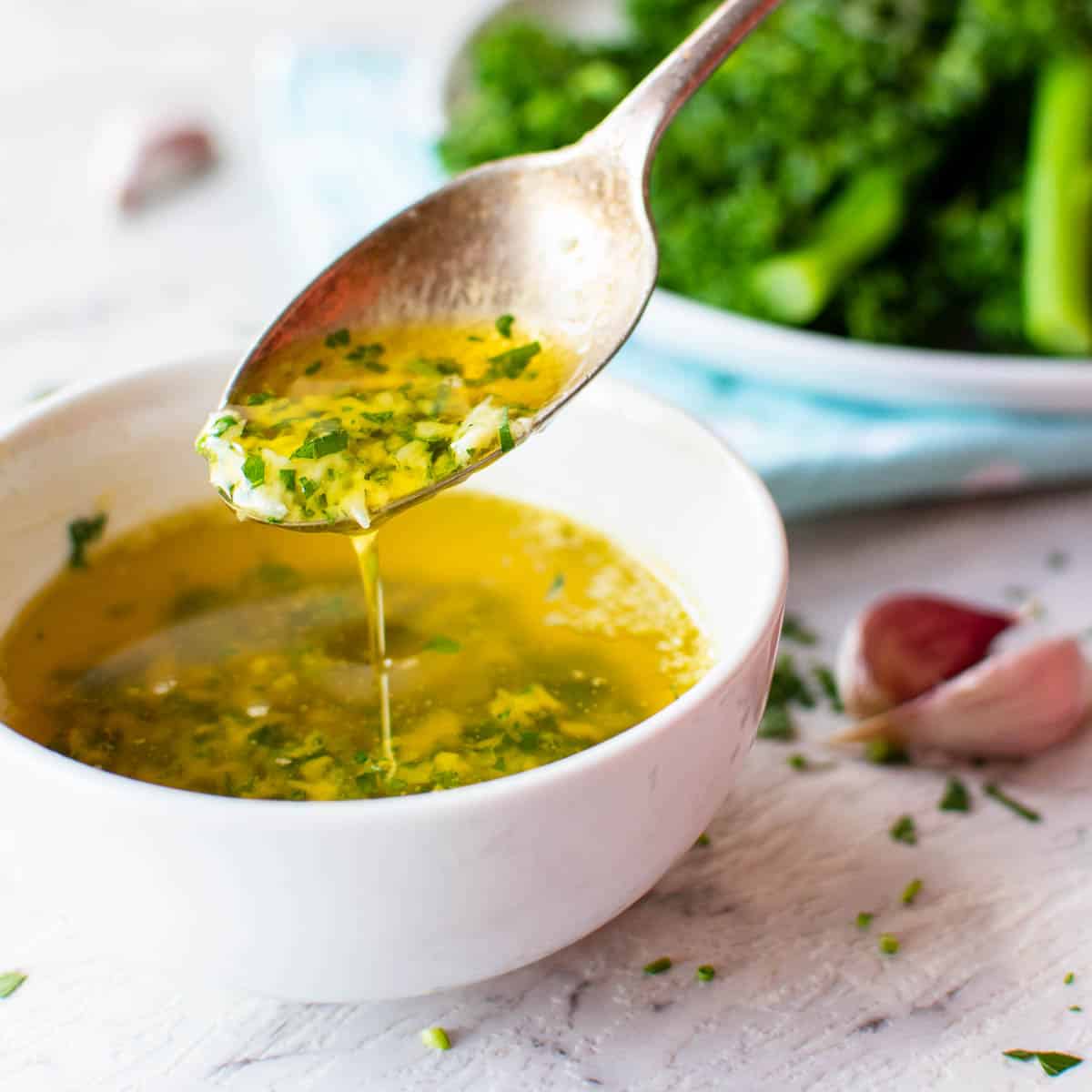
Sauce 4 — Garlic Sauce
Ingredients
Garlic
Natural Yogurt
Olive Oil
Lemon Juice
Salt
Black Pepper
Mixed Herbs
Preparation
Mince or crush the garlic and mix with natural yogurt, olive oil and lemon juice. Season with salt, pepper and mixed herbs. Stir until smooth and serve as a dip or drizzle over salads, mains or sides.
Serve as a dip or drizzle over salads, mains or sides.
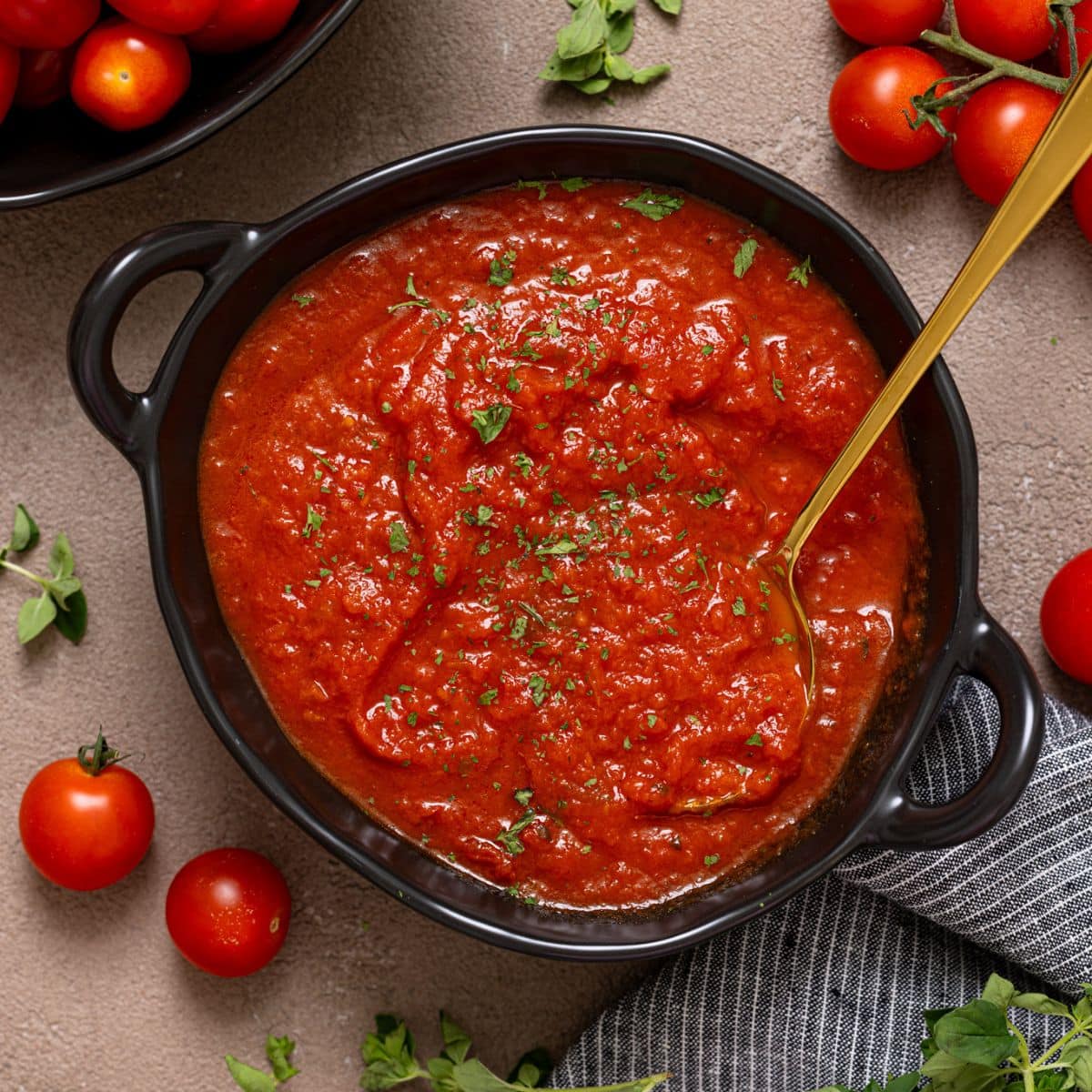
Sauce 5 — Tomato Sauce
Ingredients
Tomatoes (fresh or tinned)
Onion
Garlic
Olive Oil
Salt
Black Pepper
Basil / Mixed Herbs
Preparation
Chop the onion and garlic. Heat olive oil in a pan and sauté until soft. Add chopped or tinned tomatoes and simmer for 15–20 minutes until thickened. Season with salt, pepper and basil or mixed herbs. Blend until smooth if preferred, or leave chunky. Serve over pasta, rice, mains or as a base for other dishes.
Serve over pasta, rice, mains or as a base for other dishes.
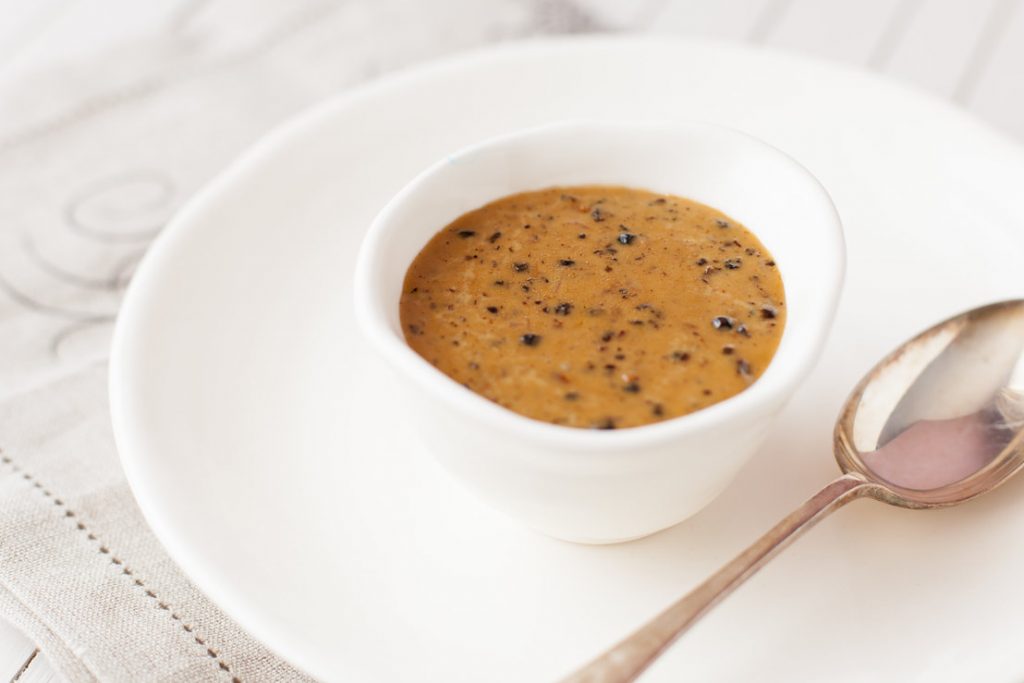
Sauce 6 — Peppercorn Sauce
Ingredients
Butter
Olive Oil
Black Peppercorns (crushed)
Onion
Stock
Cream
Salt
Thyme / Mixed Herbs
Preparation
Crush the peppercorns. Melt butter with olive oil in a pan, add finely chopped onion and sauté until soft. Add crushed peppercorns and cook for 1 minute. Pour in stock and simmer until reduced by half. Stir in cream and herbs, season with salt. Serve over steak, chicken or other mains.
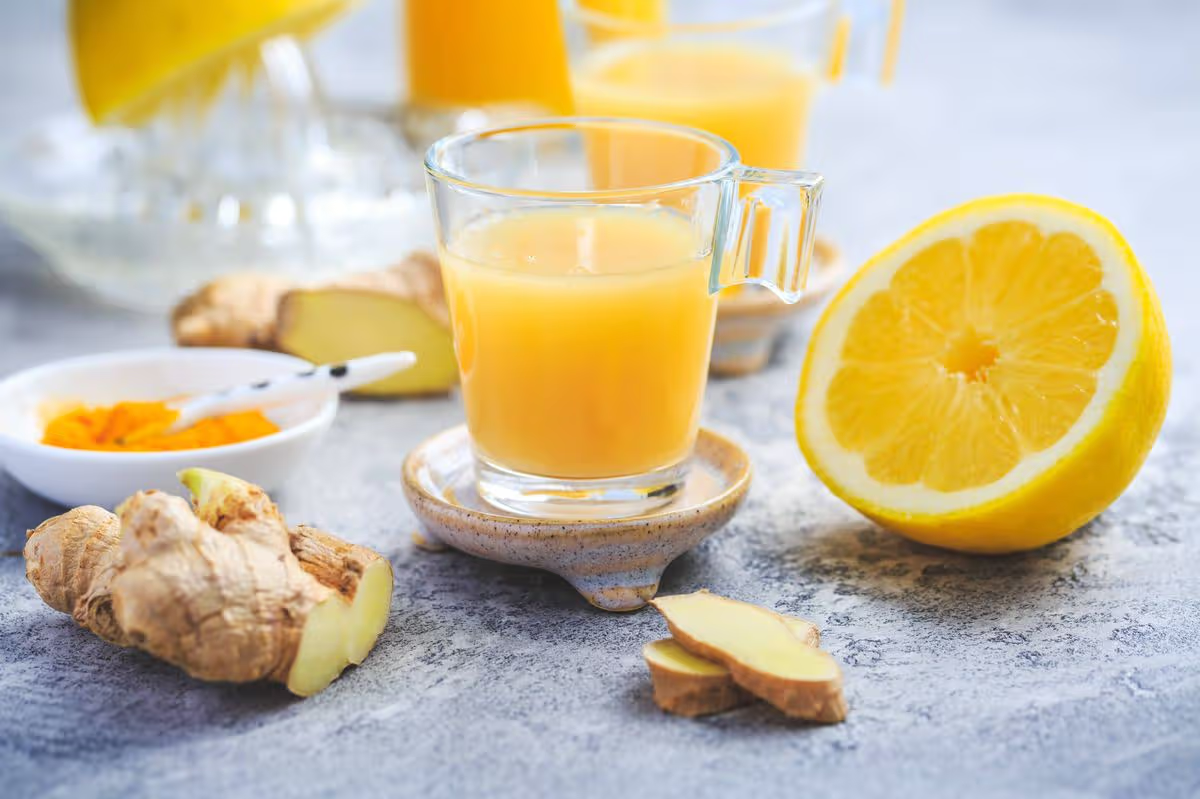
Drink 1 — Orange, Lemon, Lime, Manuka honey, Ginger and Water
Ingredients
Orange
Lemon
Lime
Manuka honey
Ginger
Water
Preparation
Squeeze, press and/or blend all of the ingredients all together, or separately and then add after, finally mix with spring water and Manuka honey (for sweetness).
Drink 2 — Pomegranate, Cranberry, Lemon, Lime, Manuka honey and Water
Ingredients
Pomegranate
Cranberry
Lemon
Lime
Manuka honey
Water
Preparation
Squeeze, press and/or blend all of the ingredients all together, or separately and then add after, finally mix with spring water and Manuka honey (for sweetness).
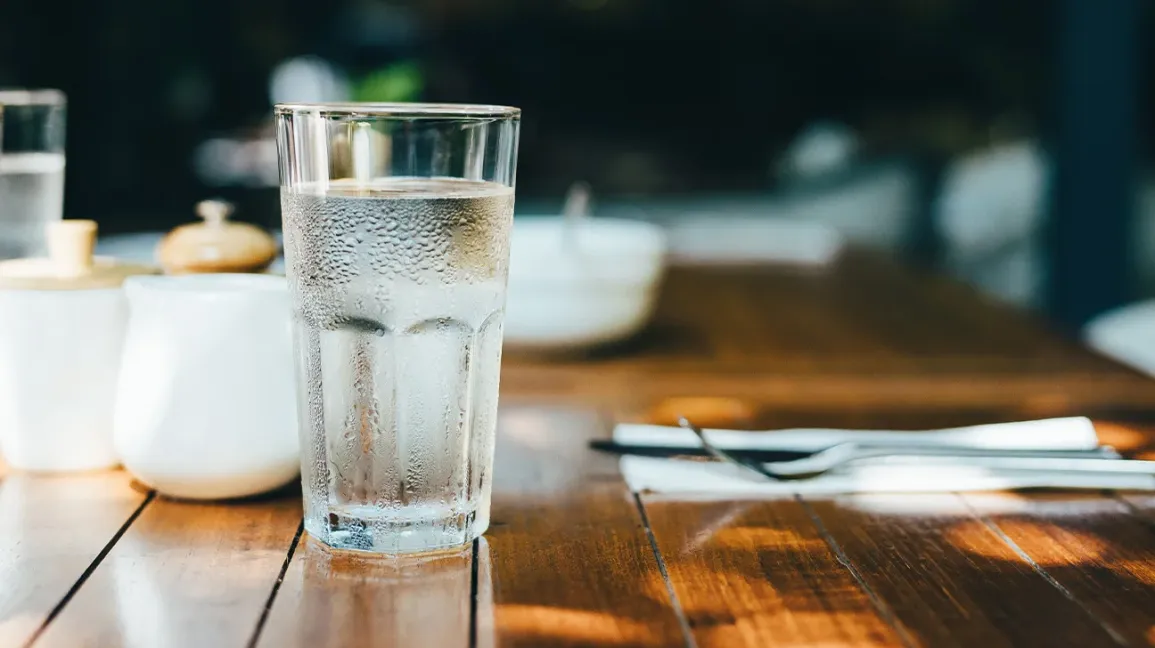
Drink 3 — Water Alone
Ingredients
Pure Spring Water
Preparation
Preferably 2 litres per day. Pure spring water is the best hydration for your body.
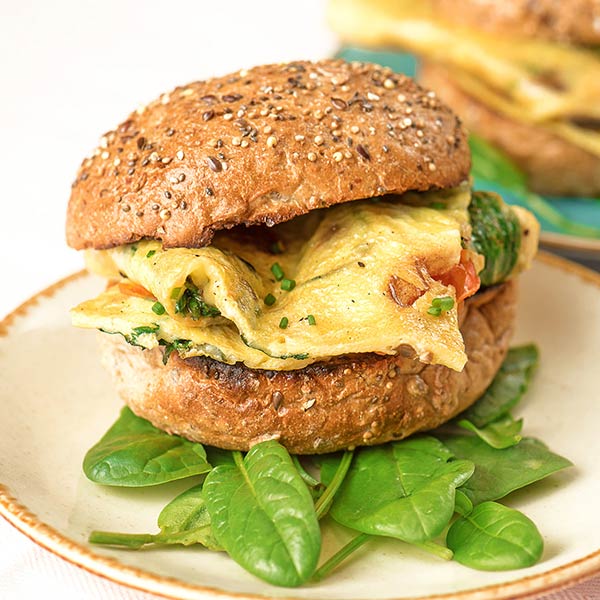
Whisk eggs with oat milk, pour into a heated oiled pan with chopped onion and green pepper. Cook until set, shape to fit the bun. Serve in burger buns with lettuce and tomato.
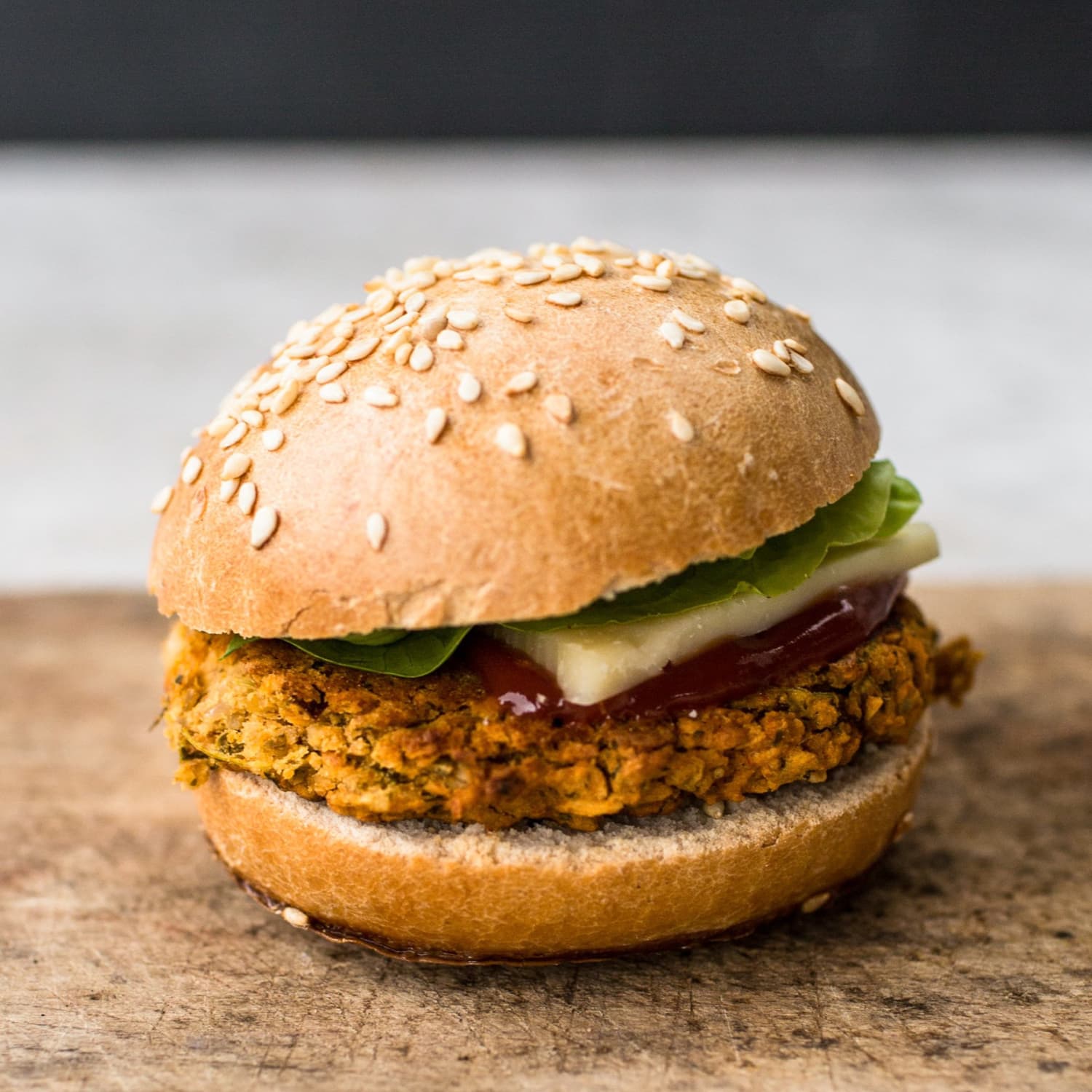
Grate or finely chop the vegetables and mix with breadcrumbs, beaten egg, garlic and seasonings. Shape into patties and fry in olive oil until golden on both sides. Serve in burger buns with lettuce and tomato.
Serve with salad or sides.
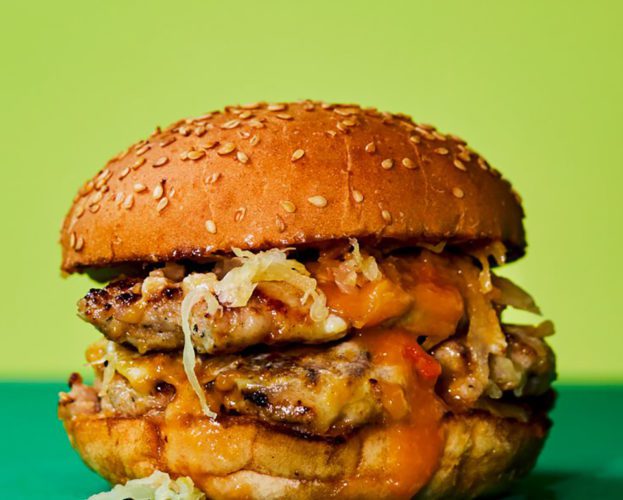
Stuffing Burger
Ingredients
Stuffing Mix
Bread Crumbs
Green / Red Pepper
Onion
Garlic
All Purpose Seasoning
Mixed Herbs
Salt
Pepper
Olive Oil
Burger Buns
Preparation
Combine stuffing mix with bread crumbs, chopped vegetables, garlic, and seasonings. Shape into patties, fry in olive oil until golden on both sides. Serve in buns.
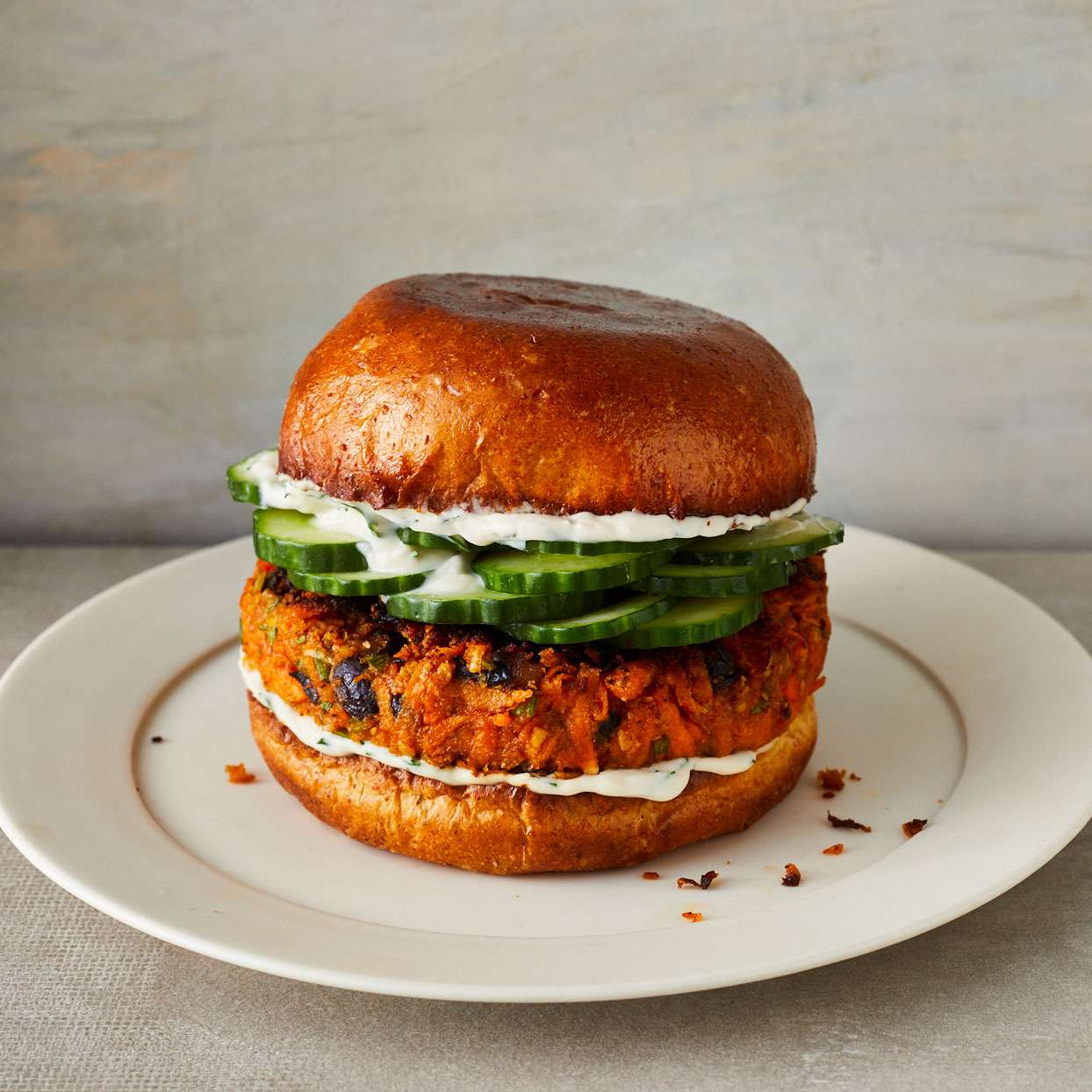
Sweet Potato Burger
Ingredients
Sweet Potato
Green / Red Pepper
Onion
Garlic
Mild Curry Powder
All Purpose Seasoning
Mixed Herbs
Turmeric
Chilli Powder / Flakes
Salt
Pepper
Carrots
Lettuce
Burger Buns
Olive Oil
Preparation
Boil and mash the sweet potato, mix with chopped vegetables and all seasonings. Shape into patties and fry until golden. Serve in buns with lettuce and toppings of your choice.
Serve with salad or sides.
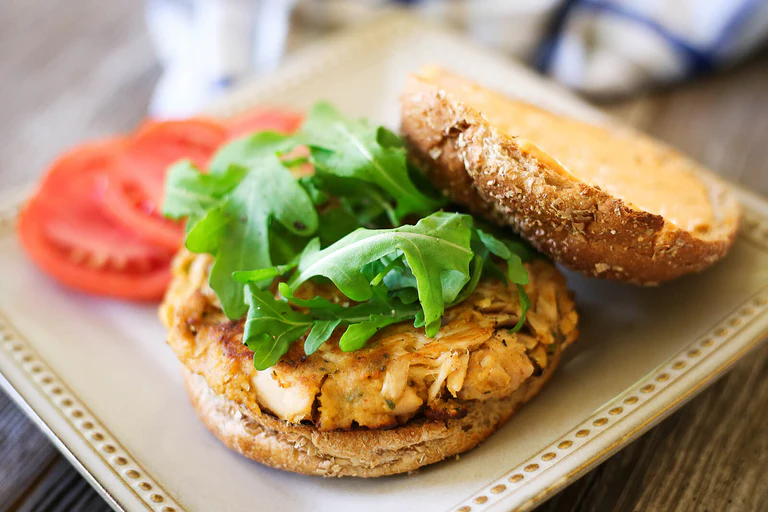
Tuna Burger
Ingredients
Tuna
Green / Red Pepper
Onion
Garlic
Mild Curry Powder
All Purpose Seasoning
Mixed Herbs
Salt
Pepper
Sweet Corn
Burger Buns
Olive Oil
Preparation
Drain tuna and mix with finely chopped vegetables and seasonings. Shape into patties and pan-fry until golden on both sides. Serve in buns with your favourite toppings.
Plantain Burger
Ingredients
Plantain
Cucumber
Lettuce
Carrots
Burger Buns
Olive Oil
Preparation
Slice ripe plantain into flat pieces and fry until golden. Use as the burger patty. Serve in buns with fresh cucumber, lettuce and carrots.
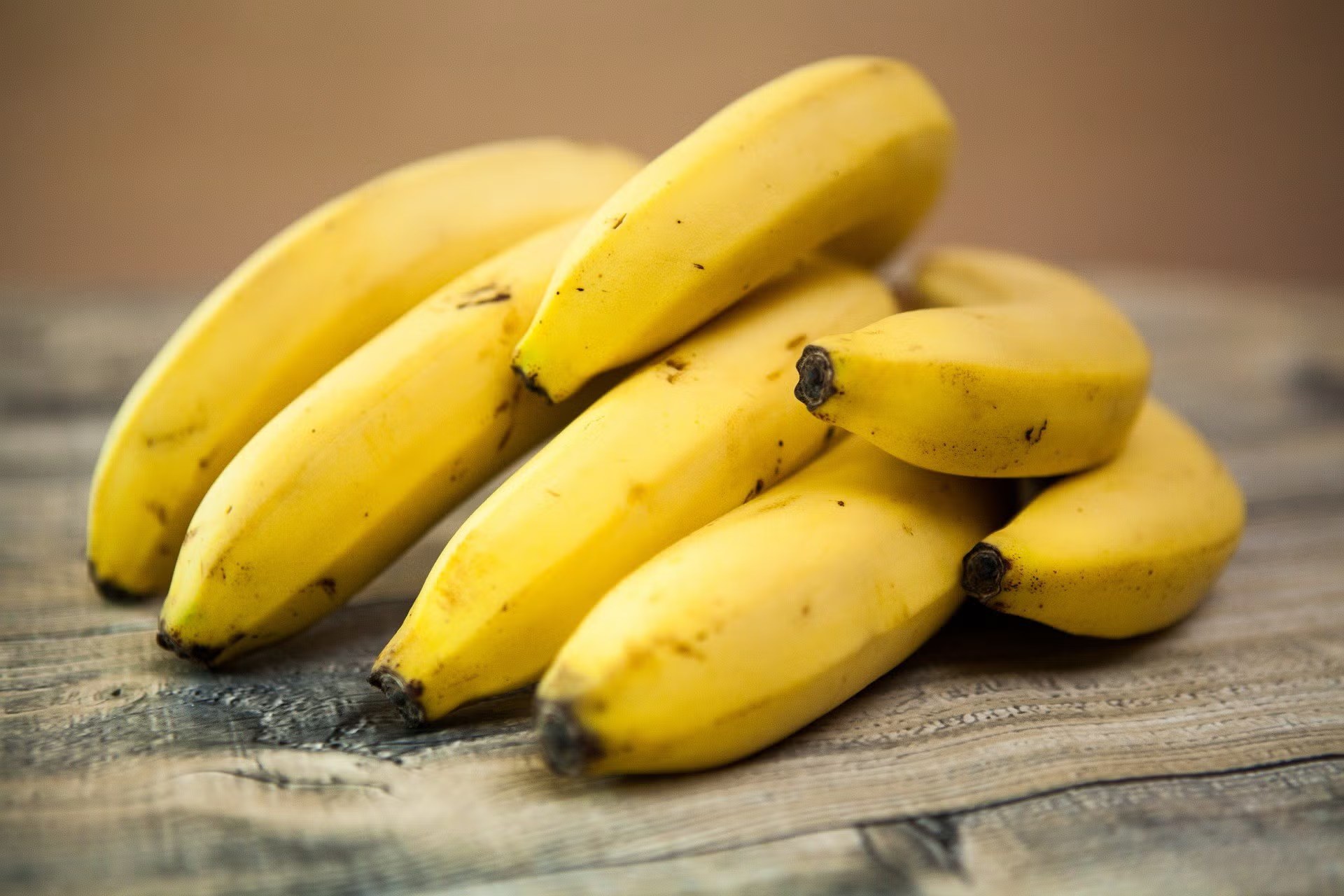
Mash the bananas and mix with self-raising flour and a splash of oat milk to form a batter. Fry spoonfuls in olive oil until golden on both sides. Drizzle with Manuka honey and serve with fruit juice.
Fuel your body before training and support recovery after with these wholefood recipes.
Pre-Workout
Banana & Oat Energy Bites
Ingredients
Banana
Rolled Oats
Manuka honey
Dates
Cinnamon
Pinch of Salt
Preparation
Mash banana and mix with oats, chopped dates, Manuka honey, cinnamon and salt. Form into small balls and refrigerate for 30 minutes. Eat 30–45 minutes before training for sustained energy.
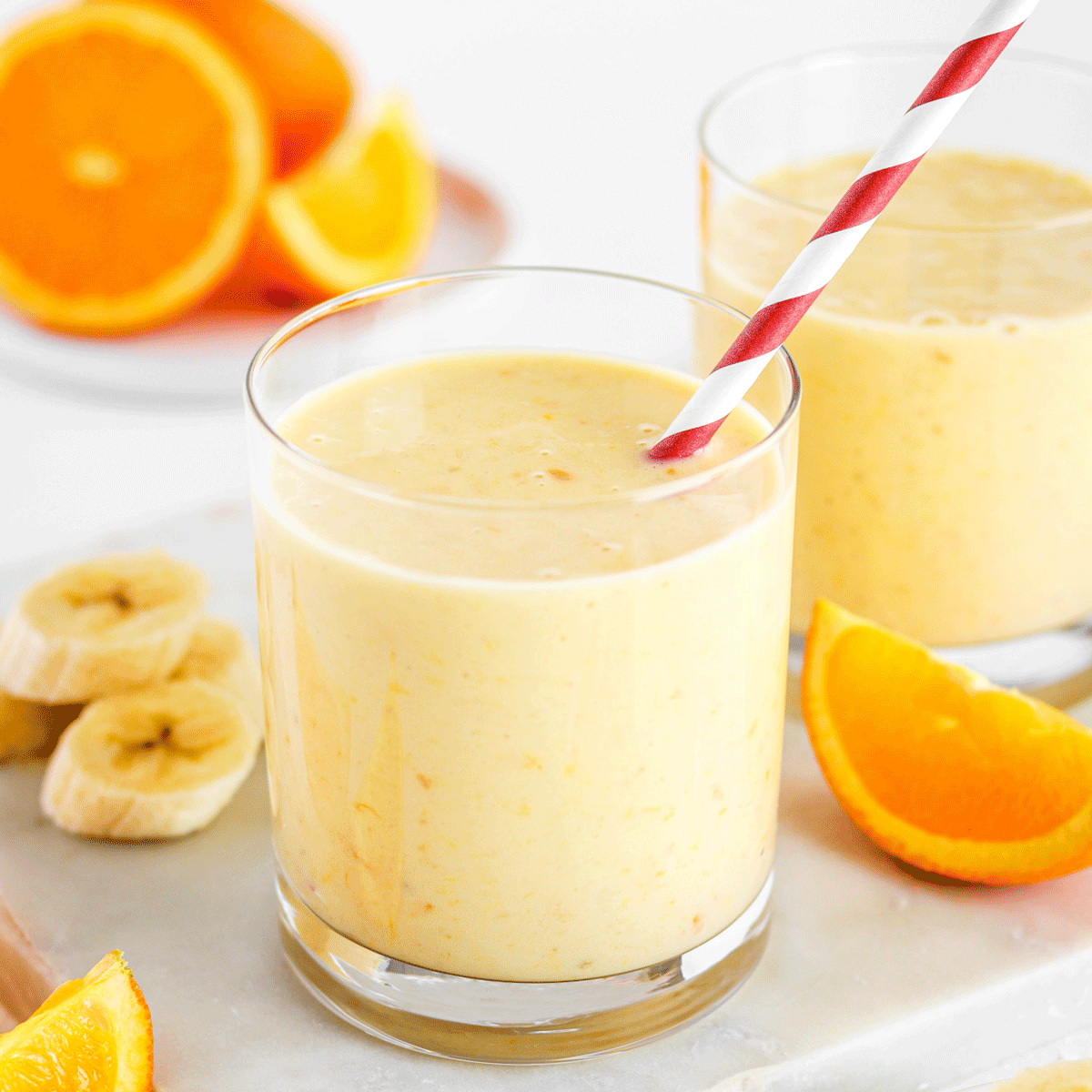
Pre-Workout Fruit Smoothie
Ingredients
Banana
Apple
Orange
Fresh Ginger
Natural Yoghurt
Manuka honey
Water or Oat Milk
Preparation
Blend all fruit with a small piece of ginger, natural yoghurt, a little Manuka honey and liquid until smooth. Drink 20–30 minutes before exercise for quick-digesting carbs and natural energy.
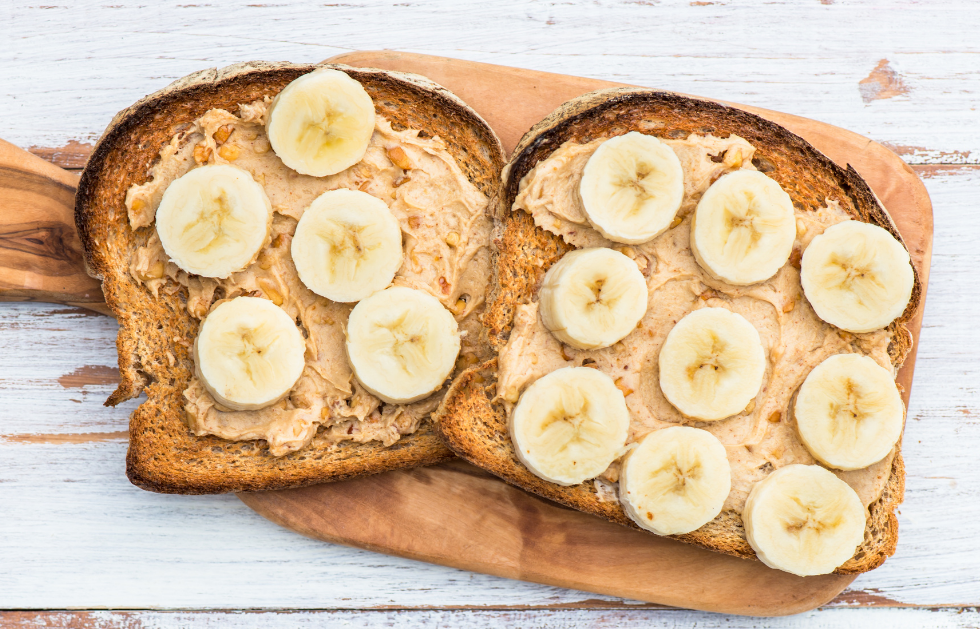
Pre-Workout Energy Toast
Ingredients
Whole Grain Bread
Banana
Manuka honey
Cinnamon
Preparation
Toast the bread, top with sliced banana, drizzle with Manuka honey and a sprinkle of cinnamon. Simple, fast and effective 30–45 minutes before your session.
Post-Workout
Recovery Protein Bowl
Ingredients
Rice
Kidney Beans
Carrot
Onion
Pepper
Turmeric
Garlic
Salt
Pepper
Preparation
Cook rice and peas (kidney beans) with vegetables, turmeric and garlic. This combination provides protein and complex carbs to replenish glycogen and support muscle repair.
Tuna & Veggie Recovery
Ingredients
Tuna
Rice
Lettuce
Tomato
Onion
Turmeric
Garlic
Curry Powder
Preparation
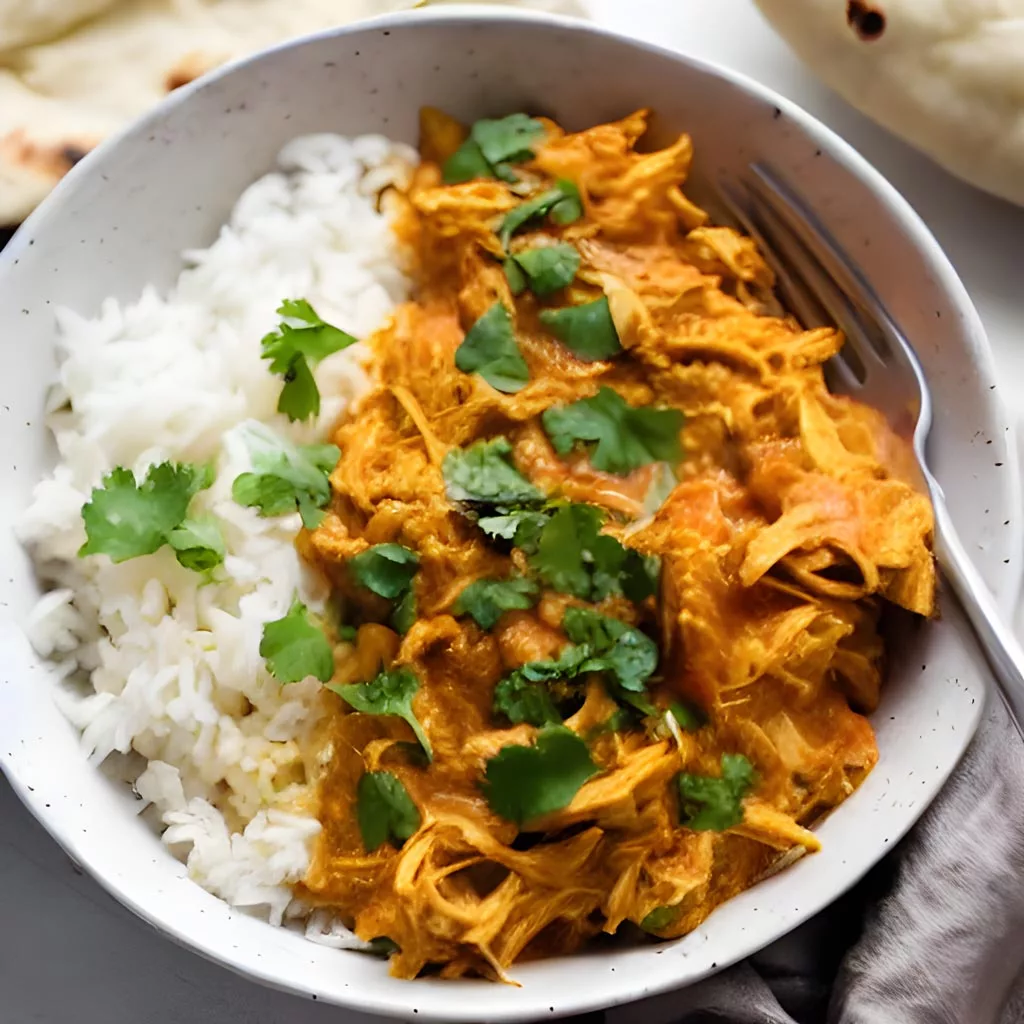
Prepare tuna curry with rice and serve with fresh salad. Prepare a high-protein curry with turmeric and garlic, served over rice with a fresh salad.
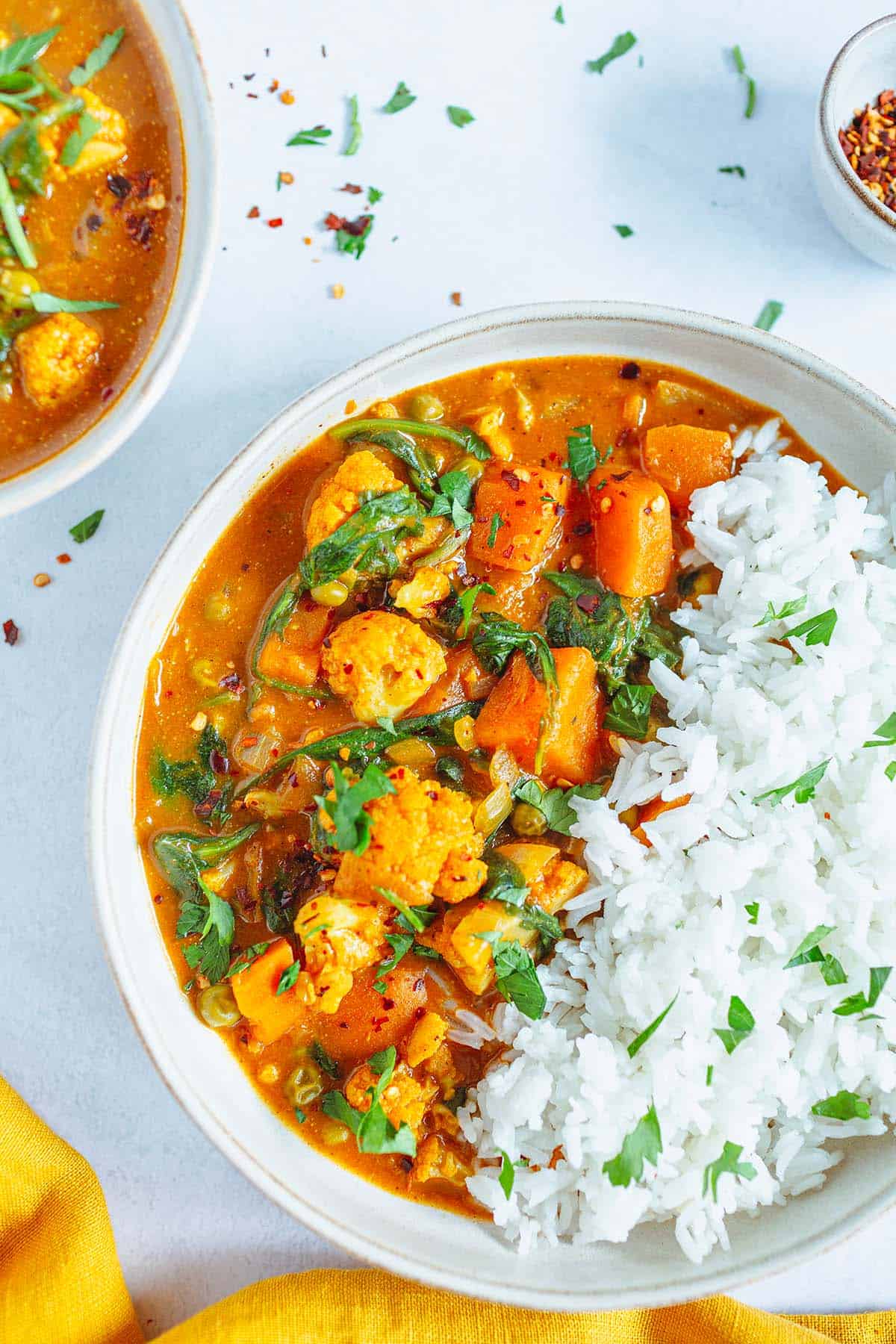
Post-Workout Vegetable Curry
Ingredients
Chickpeas
Spinach
Onion
Carrot
Tomato
Turmeric
Garlic
Coconut Milk
Preparation
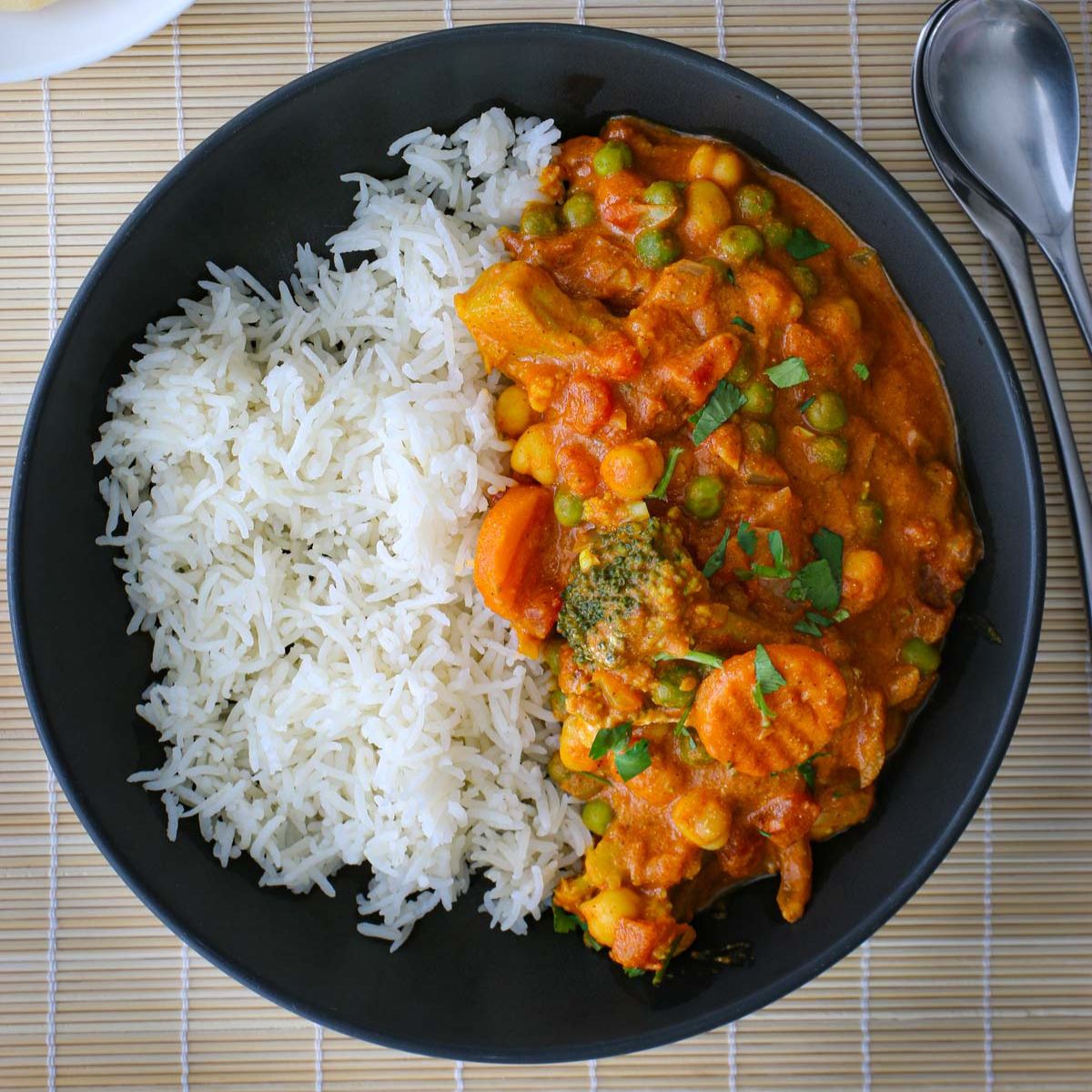
Cook chickpeas and vegetables in a turmeric-garlic curry with coconut milk. A hearty plant-based curry with chickpeas, vegetables, turmeric, and coconut milk.